Eleven days after resigning, Jensen Huang is back at Nvidia with Washington’s blessing
Nvidia’s board on Monday unanimously reinstated the founder it had refused to take back six days earlier. It says it relied on input from senior U.S. government officials that his return poses no national security risk. Donald Trump says he “convinced” the directors. In Congress the questions remain, and Jensen Huang is due to testify on December 3.
Why it mattersNvidia chips power most AI data centers, Africa’s included. A chief executive restored with the White House’s help leaves the company more exposed to the swings of U.S. politics and the rivalry with China.
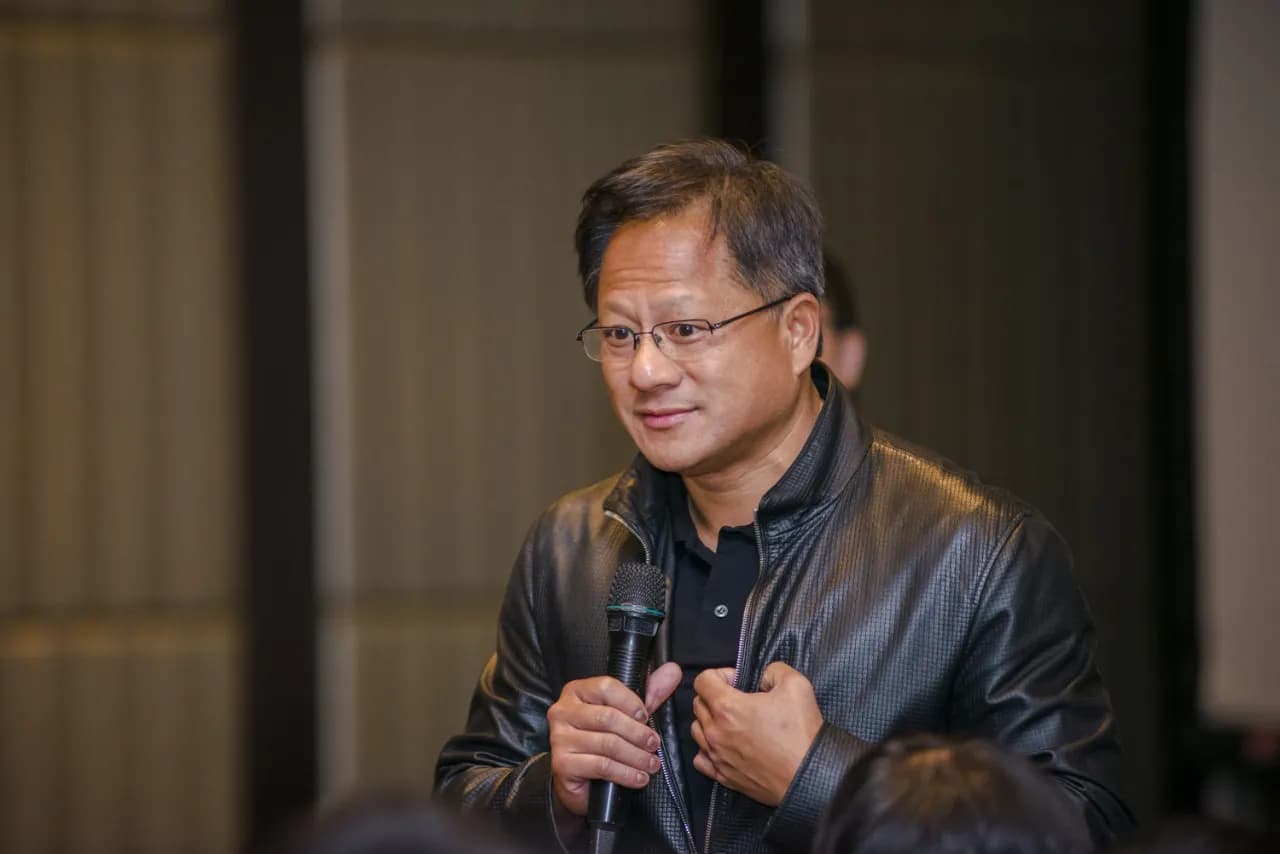
- On November 23, 2026, Nvidia’s board unanimously reinstated Jensen Huang as president, chief executive and director, eleven days after his resignation and six days after ruling out his return.
- The board says it received input from senior U.S. government officials that his return poses no national security risk; Donald Trump says he convinced the directors.
- The stock, which had lost 23% the previous week, was up nearly 30% late on Monday afternoon, on course for a record one-day gain of more than $900 billion in market value.
- Harvey C. Jones remains board chair, Colette Kress goes back to being chief financial officer, the internal investigation continues and a national security committee is created.
- Lawmakers from both parties are challenging the decision; Huang is due for a closed-door interview with House committees on December 1, then a public Senate Banking Committee hearing on December 3.
On Tuesday, November 17, on the quarterly earnings call, Harvey C. Jones left no room for doubt. The Nvidia board had “unanimously accepted his resignation,” its chair said of Jensen Huang, “and does not intend to reinstate Jensen as CEO.” Six days later the same board, again unanimously, did exactly that.
The statement released before Wall Street opened on Monday, November 23, and filed with the SEC, restores all three of Huang’s roles with immediate effect: president, chief executive and board member. He had given up all three on November 12, as we reported. The board says it acted after “a series of discussions” with him that left it satisfied with his “candor” and his ability to lead. It also says it “received input from senior levels of the United States government” and concluded that his return “poses no national security risk.” The statement does not say who in Washington provided that input.
Wall Street answered within minutes. The stock, which had lost 23% the week before, its worst week since 2008, was up nearly 30% late in the New York afternoon, according to Yahoo Finance. Nvidia was on course to add more than $900 billion in in a single session, a record for any listed company, and to post its best day in more than twenty years. The shares remain far from their peak: on Friday, November 20, they closed at $125.53, almost half their October 6 record.
Nvidia: four closing prices, from the October record to the eve of Jensen Huang’s return
Source: Nasdaq closing prices, via CNBC, Bloomberg and Yahoo Finance
A week to change its mind
On November 17, a few hours before the board shut the door, Huang had written on X that he would be “honored to return as CEO” if the directors judged it to be in the company’s best interest. Donald Trump had said he “would not mind” seeing him back. Elon Musk and the investors Gavin Baker and Brad Gerstner were campaigning for the same outcome. Treasury Secretary Scott Bessent, by contrast, was urging the board to look outside the company.
No outsider came forward. The board reportedly approached Rene Haas, Arm’s chief executive, according to NBC News; he announced he was staying at Arm on a contract extended through 2033. Meanwhile the stock fell another 14% on Friday, November 20, the day Reuters reported that the SEC was looking into possible accounting issues at Nvidia. Our analysis of November 18 described a company that had never prepared for life after Huang: with no heir apparent, the board found itself facing the only candidate available, the man who had just left.
The sequence, as CNBC tells it from anonymous sources, took four days. Late last week, senior government officials briefed the directors that no national security laws had been violated. On Saturday, Huang and the board spoke for the first time since his departure. On Sunday, at a second meeting, they settled on his return.
“I made the deal”: the White House claims the decision
Speaking to CNBC by phone on Monday morning, Donald Trump said he had been talking to the directors “directly and indirectly.” “I spoke to them. Let me put it this way: And I convinced them. I made the deal,” he said, as quoted by ABC News, adding that “basically I was represented at the board,” according to NBC News. The directors, he said, “did ask for assurance on the national security threat, and we gave them assurance.” “We have to protect our geniuses,” he said.
On Truth Social, he praised “the correct and proper decision” and said Attorney General Todd Blanche had confirmed that the government “does not possess evidence” that Huang had engaged in any unlawful conduct. A Justice Department official told CBS News that the two men had spoken over the weekend.
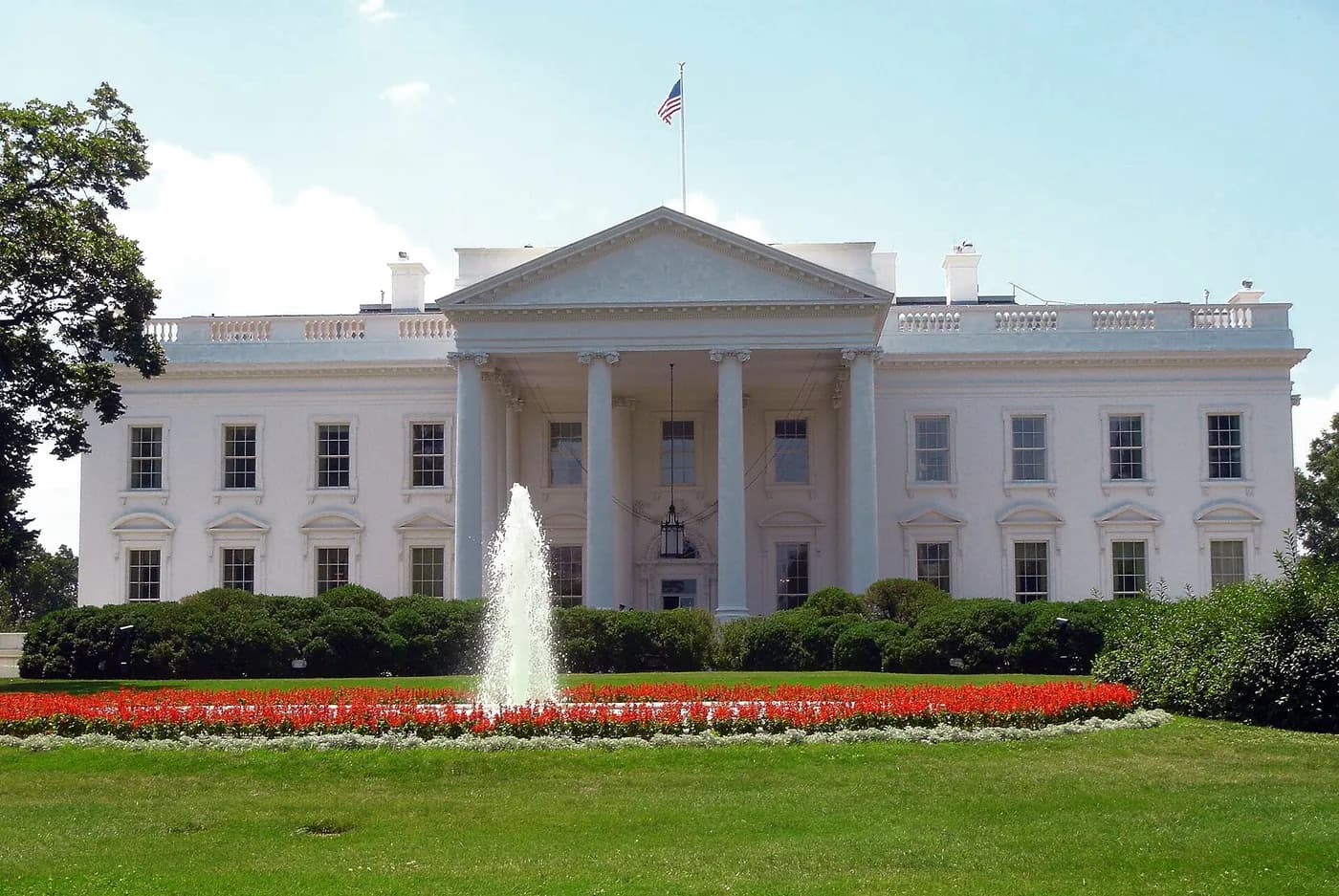
It is rare for a U.S. president to claim credit for picking the chief executive of a private company, and rarer still for a board to defer to the government on a governance question. Jeffrey Sonnenfeld, a Yale professor, told NBC News the White House’s involvement raises conflict-of-interest questions and creates “total turmoil and confusion over integrity.” The assurance has its limits. As recently as Sunday, the Director of National Intelligence, Jay Clayton, said on ABC that the case of the woman suspected by U.S. intelligence remained under investigation.
What the board got in return
The statement puts guardrails around the return. The investigation by the committee of independent directors, opened on November 8 and advised by the law firm Wachtell Lipton, will run to completion. The board is creating a National Security and Export Control Committee made up solely of independent directors, and is hiring a chief compliance officer who will report to the nominating and corporate governance committee. Harvey C. Jones stays on as chair: the split between chair and chief executive, introduced on November 12, survives the founder’s return. Colette Kress, interim CEO since November 12, goes back to being chief financial officer.
« I take this responsibility with the greatest humility and renewed commitment. »
Jensen Huang, in Nvidia’s statement of November 23, 2026
“I’m going to be a better CEO the second time around,” he told employees on Monday, according to Yahoo Finance. Bank of America was more guarded. “Reinstatement should not be confused with the end of scrutiny,” the bank warned in a note, expecting continued attention on governance, China and export controls.
Three days of hearings in Congress
Congress sees things differently from the White House. Elizabeth Warren, the ranking Democrat on the Senate Banking Committee, said “the reckless decision to bring Jensen Huang back as CEO does not change the fact that Mr. Huang, NVIDIA executives, and the company’s board still owe Congress answers about the company’s compliance with U.S. export controls.” The criticism also comes from the president’s own party. “No national security risk? Based on what?” asked Senator John Cornyn, a Texas Republican, according to NBC News.
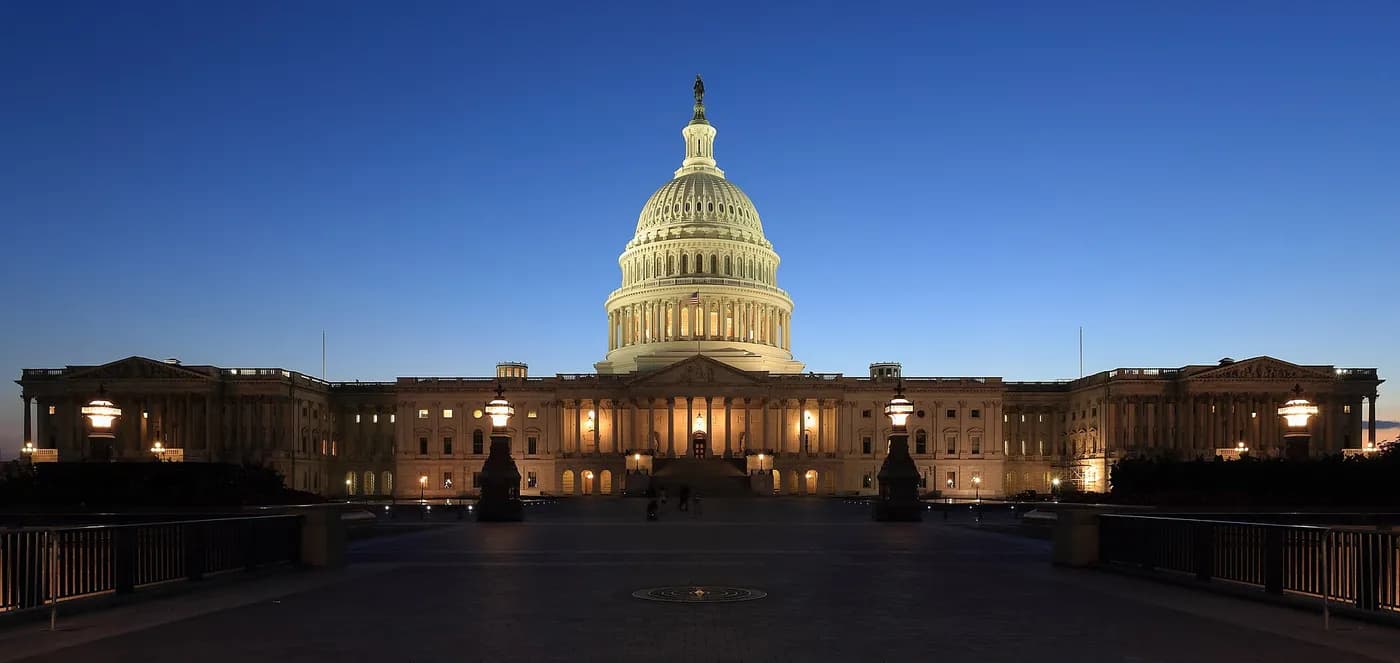
The schedule, set before his return, stands. On December 1, Huang is due for a closed-door interview with three House committees: Intelligence, Foreign Affairs, and the Select Committee on the Chinese Communist Party. His return “changes nothing,” a spokesperson said. The next day it is the turn of Nvidia’s general counsel, Tim Teter. On December 3, Huang will be the sole witness at a public Senate Banking Committee hearing titled “Protecting America’s AI Advantage: Oversight of U.S. Export Controls,” the committee’s chairman, Republican Tim Scott, confirmed. Commerce Secretary Howard Lutnick, summoned alongside him in mid-November, is no longer on the witness list.
Other investigations are moving ahead regardless of the board. The Wall Street Journal and Reuters have reported that the SEC is examining Nvidia’s accounting practices. California Attorney General Rob Bonta is pressing on with his inquiry into whether Nvidia misled investors. On November 16, the Commerce and Justice departments confirmed a criminal investigation into Megaspeed, a Singapore-based company and Nvidia customer that was run until 2025 by the woman named in press reports. That is the ground, chips that may have reached China despite the restrictions, on which lawmakers are waiting for Huang.
On November 8, Nvidia’s board said it had “no reason to believe” national security had been compromised. On November 23, it relied on the government’s word to say so. On December 3, before the Senate, Huang himself will have to answer on that point, in public.
- NVIDIA Board Reinstates Jensen Huang as President, CEO and Board Director, Nvidia.
- NVIDIA Corp., formulaire 8-K du 23 novembre 2026, Nvidia / SEC.
- Jensen Huang reinstated as Nvidia CEO. Stock skyrockets 31%, CNBC.
- Nvidia reinstates Jensen Huang, NBC News.
- Trump says he spoke ‘directly and indirectly’ with Nvidia’s board about reinstating Jensen Huang, NBC News.
- ‘I made the deal’: Trump says he ‘convinced’ Nvidia board to reinstate Jensen Huang, ABC News.
- Trump says he spoke to Nvidia board and “convinced them” to reinstate Jensen Huang, CBS News.
- Nvidia live updates: Jensen Huang reinstated as CEO, Trump says he convinced board, Yahoo Finance.
- Nvidia stock plunges 14%, wraps up longest weekly losing streak since 2008 financial crisis, CNBC.
- US Senate summons Nvidia’s Huang, Lutnick to testify, Al Jazeera.
Spotted an error? Write to infos@novotech.blog. Corrections are flagged at the end of the article.