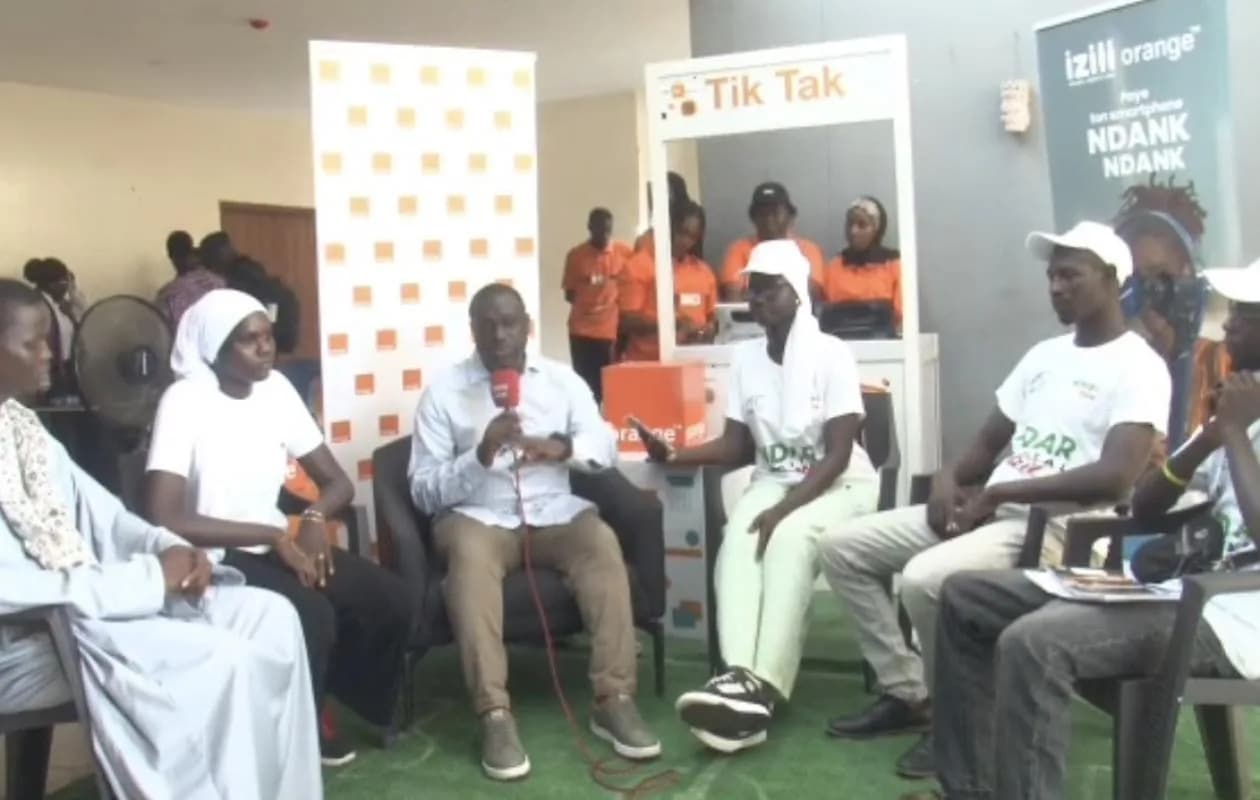
Some 2,700 athletes, 6,000 volunteers and nearly 1,800 journalists: from October 31 to November 13, the Youth Olympic Games will put Senegal’s networks under pressure in Dakar, Saly and Diamniadio. What Sonatel has promised, and what nobody has measured yet.
The figure made the rounds in the media: Nigerians supposedly spent ₦6.98 trillion on mobile data in the first half. Operators’ accounts show less than half that. And behind the spending lies an invisible tax: that of a network that keeps breaking.
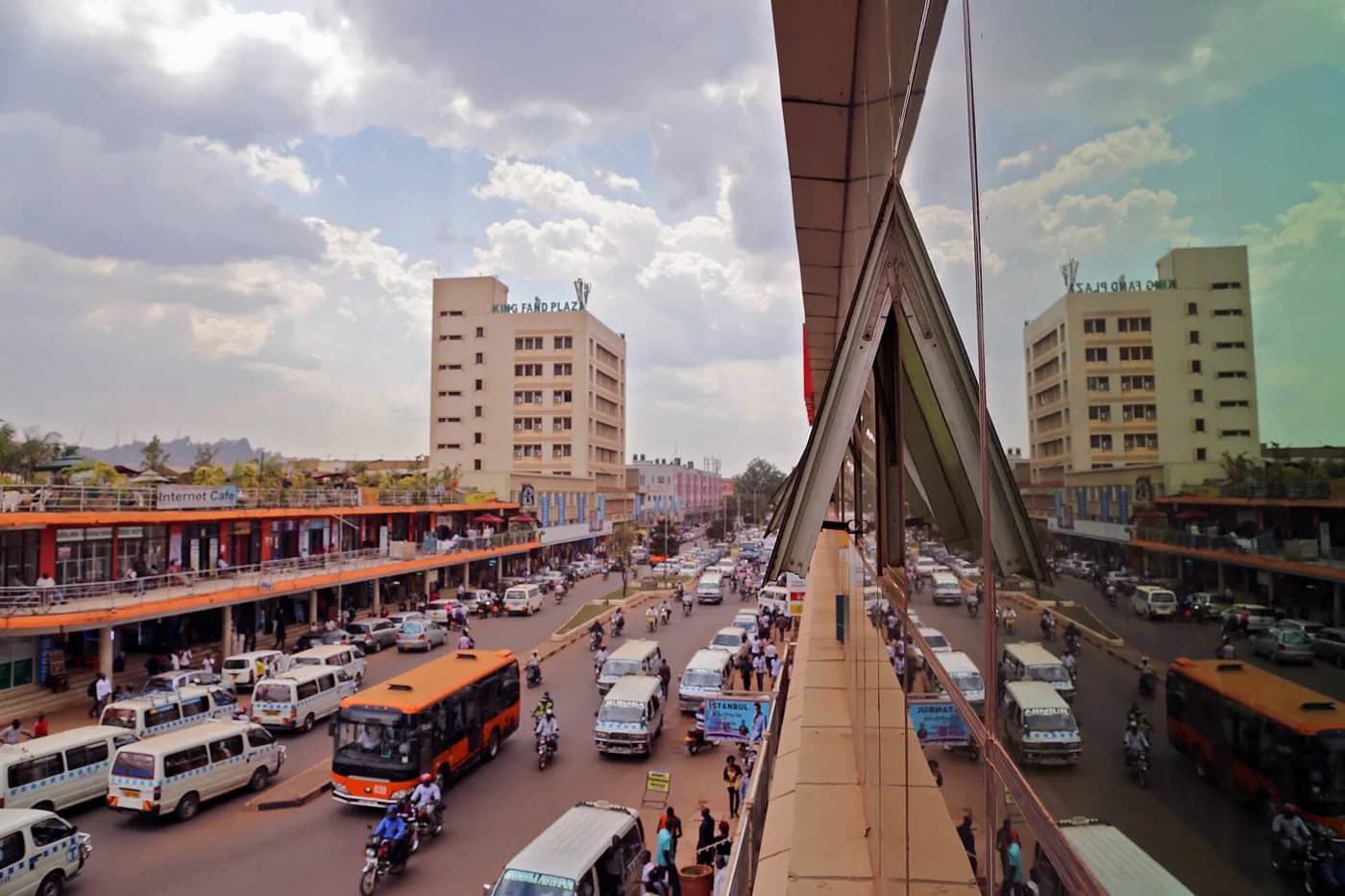
Since 24 September, Airtel subscribers with a compatible Android phone can send text messages and WhatsApp messages where there is no mobile network at all. Uganda is the second African country to get the service, after the DRC.
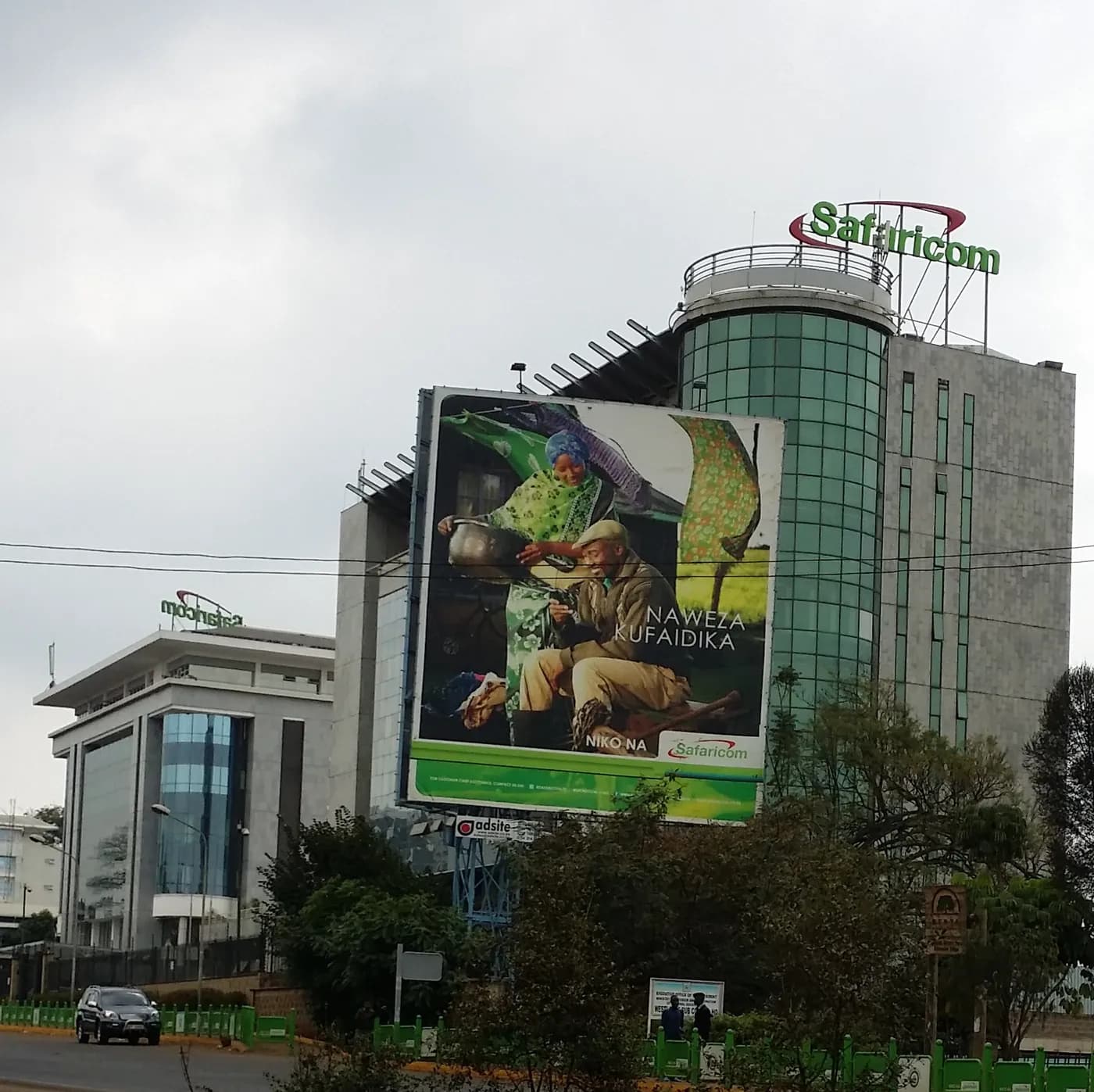
The High Court declared unconstitutional the sale of 15% of Safaricom to Vodacom, which gave it control of the company. Documents withheld from the public, a disguised merger, no security assessment: the judges went through everything. The government and Vodacom are appealing.
Less than four years after its commercial launch, the operator claims more than 3,500 sites and coverage of 60% of the population. It is now aiming to break even.
The group plans to offer satellite connectivity directly on ordinary smartphones in 14 African countries, starting with rural areas of West and Central Africa.