Uganda: Airtel and Starlink turn smartphones into satellite phones, with no dish or extra device
Since 24 September, Airtel subscribers with a compatible Android phone can send text messages and WhatsApp messages where there is no mobile network at all. Uganda is the second African country to get the service, after the DRC.
- On 24 September, Airtel Uganda and Starlink launched a satellite service that works directly on smartphones.
- Text messages and light messaging (WhatsApp) outside mobile coverage, with a clear view of the sky; a 30-day free trial.
- Uganda is the second African country served after the DRC; Airtel is targeting all 14 of its markets.
- The regulator requires satellite capacity to go through licensed local operators.
All it now takes is a patch of open sky. On 24 September 2026, Airtel Uganda and Starlink, SpaceX’s satellite constellation, launched a service that lets smartphones connect directly to satellites, with no dish or additional device. Where no mobile mast reaches, a subscriber can send a text message or a WhatsApp message.
Uganda becomes the second African market to benefit, after the Democratic Republic of the Congo, where Airtel launched it in August. It is the concrete implementation of the agreement announced in December 2025 between Airtel Africa and SpaceX, which plans to roll out this technology in the fourteen countries where the group operates.
How it works
The technology is called “direct-to-cell”. Rather than going through a mast on the ground, the phone communicates with low-orbit satellites fitted with relays that behave like mobile masts seen from space. Starlink relies for this on a dedicated constellation of about 650 satellites launched so far.
The phone cannot tell the difference: it sees an Airtel network, while the signal comes down from the sky. Hence the appeal for users, who have nothing to buy or install, provided they have a compatible device. For now, only certain Android smartphones are supported, and the exact list of models was not published in the announcements.
- What works: text messages and light apps, such as WhatsApp messaging.
- What you need: a compatible Android smartphone and a clear view of the sky (not indoors or under a thick roof).
- To sign up: the MyAirtel app, with a 30-day free trial.
- After that: access comes with certain Airtel data bundles; prices were not detailed at launch.
Not to be confused with Starlink’s dish internet
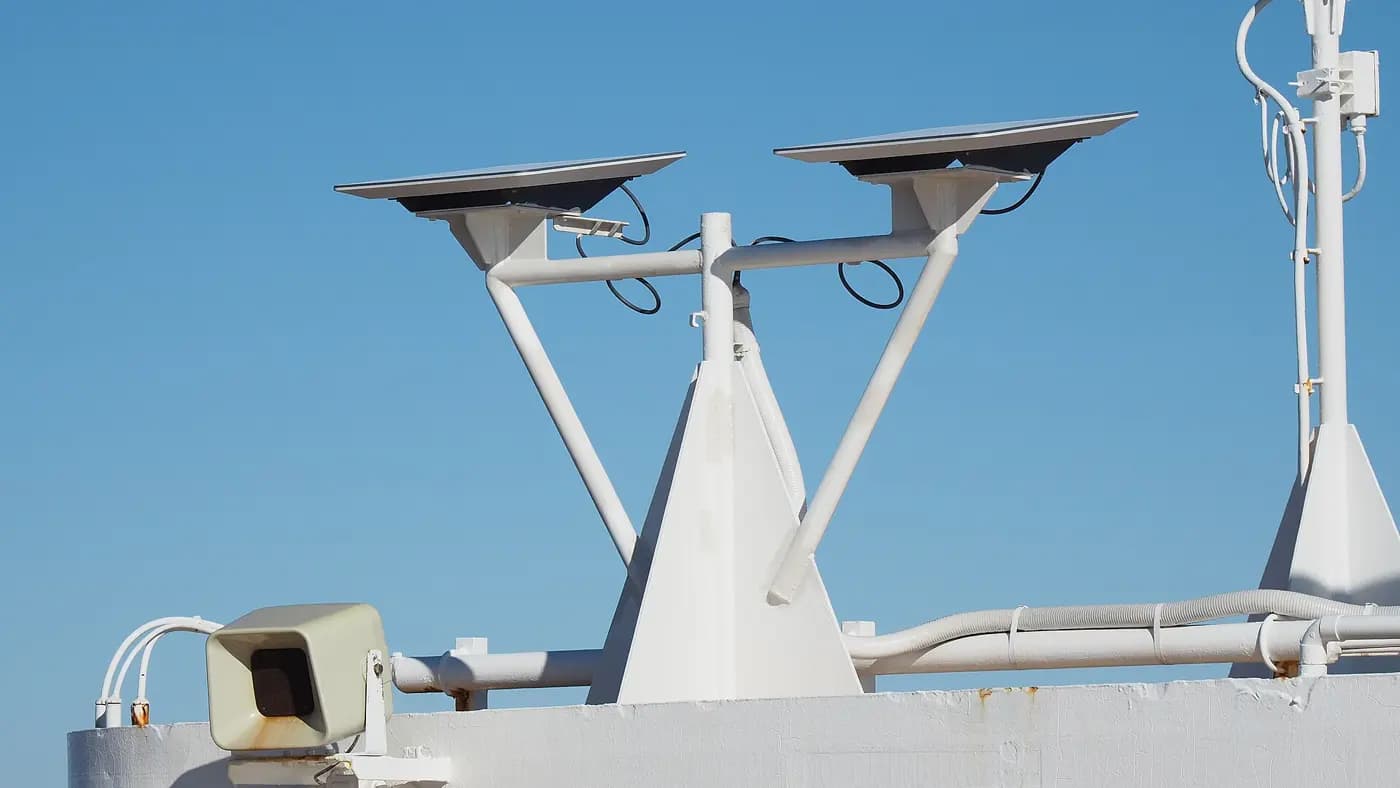
In Africa, Starlink is best known for its satellite internet offer for homes and businesses: a flat dish installed on the roof, a router and a monthly subscription. That service, available in some of the continent’s countries, offers genuinely high speeds, but it requires expensive equipment and a licence in each country.
The service launched with Airtel is of a different nature. There is no dish: the phone itself picks up the satellite, on frequencies provided by the partner operator. This dependence on frequencies explains why only certain models are compatible, and why Starlink needs a local operator in each country. The speed is much lower, but use is immediate, with nothing to buy or install.
Not a replacement for 4G
Do not expect to watch videos in the middle of a national park. The speed of this type of link remains very low compared with a conventional mobile network, because each satellite covers a huge area and shares its capacity among many users. The service targets what matters most when you are isolated: being able to send a message, alert someone close, call for help in writing.
Tests were in fact carried out between July and September 2026 in Murchison Falls National Park, a vast and poorly covered tourist area in the north-west of the country. Rangers, guides and travellers there are the first to benefit.

The regulator as referee
The Uganda Communications Commission (UCC) welcomed a technology that complements terrestrial networks. Its executive director, Nyombi Thembo, pointed out that the regulator aims to be technology-neutral: it does not matter whether coverage comes from a mast or a satellite, the goal is for Ugandans to be connected.
The framework set by the UCC is nonetheless precise. Starlink obtained its operating licence in May 2026, with obligations: install a national gateway, maintain a physical presence in the country and have an office there with technical and legal staff. Above all, satellite capacity for phones must go through licensed mobile operators, and cannot be sold directly to individuals. That explains the model chosen: Starlink provides the sky, Airtel keeps the customer.
This choice protects local operators, which invest in masts and pay for licences, and keeps the regulator at the centre of the game. It also recalls an existing obligation: mobile operators must reach 90% geographic coverage, including on islands, in mountainous areas and in dense forests. Satellites can help them get there where building a mast would never pay.
A continental issue
Africa is the continent where the mobile coverage gap remains the widest. Building a mast in a sparsely populated area is expensive and earns little: access roads, power, security. A direct satellite link does not remove this problem, but it offers a safety net: a minimum of communication wherever the sky is visible.
Competition is taking shape. Other operators and satellite makers are preparing comparable services, and several African regulators are working on their rules. The Ugandan model, which requires satellite service to go through a local operator, could serve as a reference for its East African neighbours.
Who it is for, in practice
The first beneficiaries are easy to imagine. Herders and fishers who work far from villages. Truck drivers on the routes to South Sudan or the DRC, who cross areas with no network. National park rangers and guides. Community health workers, who need to report a case or request a patient transfer. And, more broadly, anyone caught in a network outage or a natural disaster that knocks out the masts.
For emergency services, the value is obvious: a message that gets through is better than an impossible call. For the local economy, the effect will be slower. As long as the service is limited to messages, it will not allow full mobile payments or browsing, which require more data. That is, however, the next step satellite makers are aiming for, with more powerful generations of equipment.
That leaves the question of price. After the 30-day trial, access comes through Airtel data bundles whose details were not made public at launch. Yet in the rural areas targeted, purchasing power is low and many of the phones in circulation are entry-level, often incompatible. If the service remains reserved for recent smartphones and expensive bundles, it will mainly benefit tourists and businesses. If it becomes a cheap option built into ordinary bundles, it could really narrow the coverage gap.
For Airtel Africa, the stakes go beyond Uganda. With the DRC in August and Uganda in September, the group has launched two of its fourteen markets in two months. The pace of the next rollouts, and above all the prices set after the trial period, will show whether the pocket satellite phone becomes a mass-market service or remains a back-up tool for the most remote areas.
- Airtel Africa and Starlink Launch Satellite-to-Mobile Service in Uganda, Space in Africa.
- UCC says Starlink partnership will help close Uganda’s mobile coverage gaps, Nile Post.
- Airtel Uganda Rolls Out Starlink Satellite-to-Mobile Service, TechAfrica News.
- Airtel et Starlink transforment les smartphones ougandais en téléphones satellitaires, Afrique IT News.
Spotted an error? Write to infos@novotech.blog. Corrections are flagged at the end of the article.