West Africa’s central bank is doubling the maximum balance a customer can hold in electronic money and raising the monthly top-up limit to 15 million CFA francs. On the same day, transfers between providers must run through its PI-SPI platform, and will be free up to 8,000 CFA francs a day. What changes for users in 12 days, and what the rules leave unsaid.
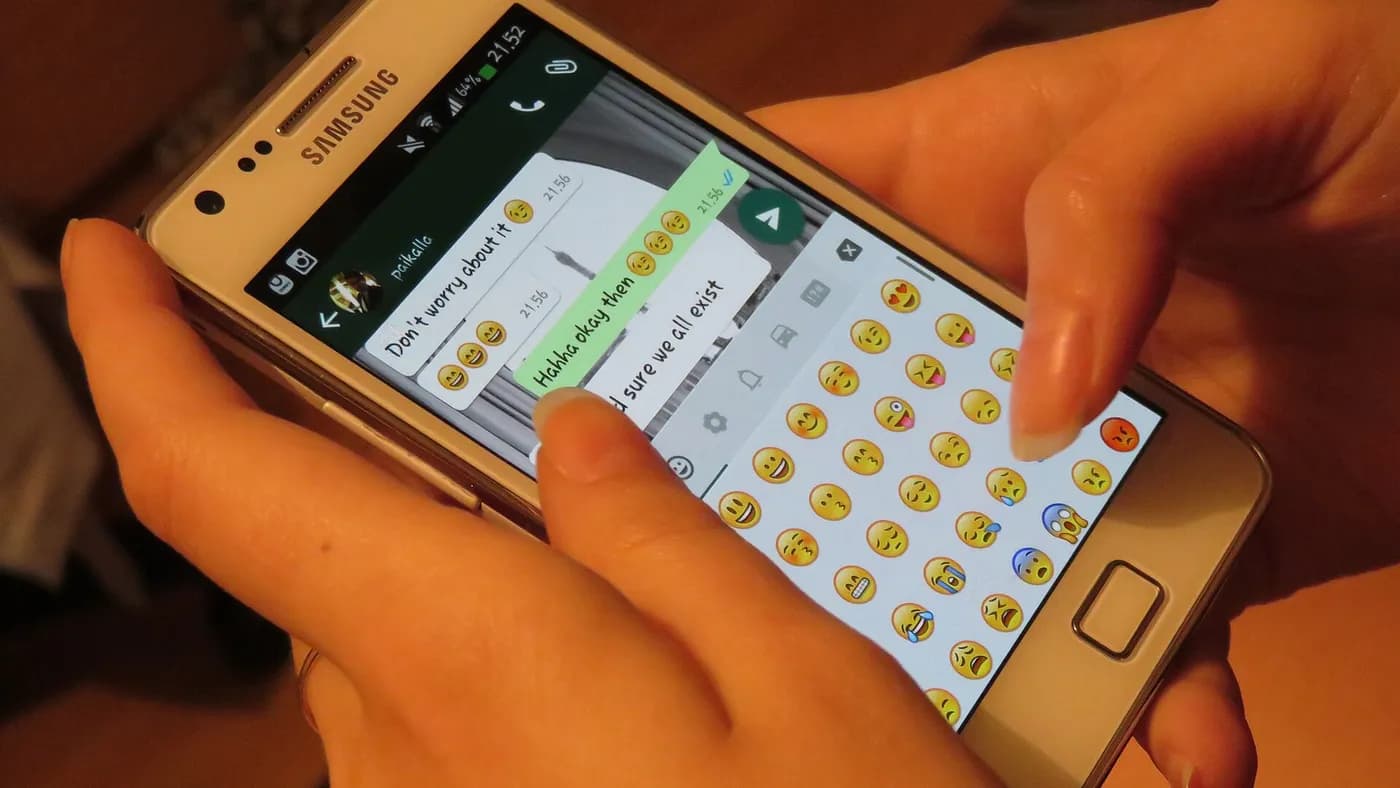
Senegal’s police are warning about fake streaming apps, spread over WhatsApp, that steal mobile money PINs and then empty accounts from the victims’ own phones. How these programs work, the warning signs, and the Android settings worth checking tonight.
Since 7 October, anyone can submit an image, video or audio file to synthid.com to find out whether it bears the invisible watermark of AI systems from Google, OpenAI, NVIDIA or Kakao. Here’s how to use it – and, crucially, the limitations of a tool that doesn’t detect everything.
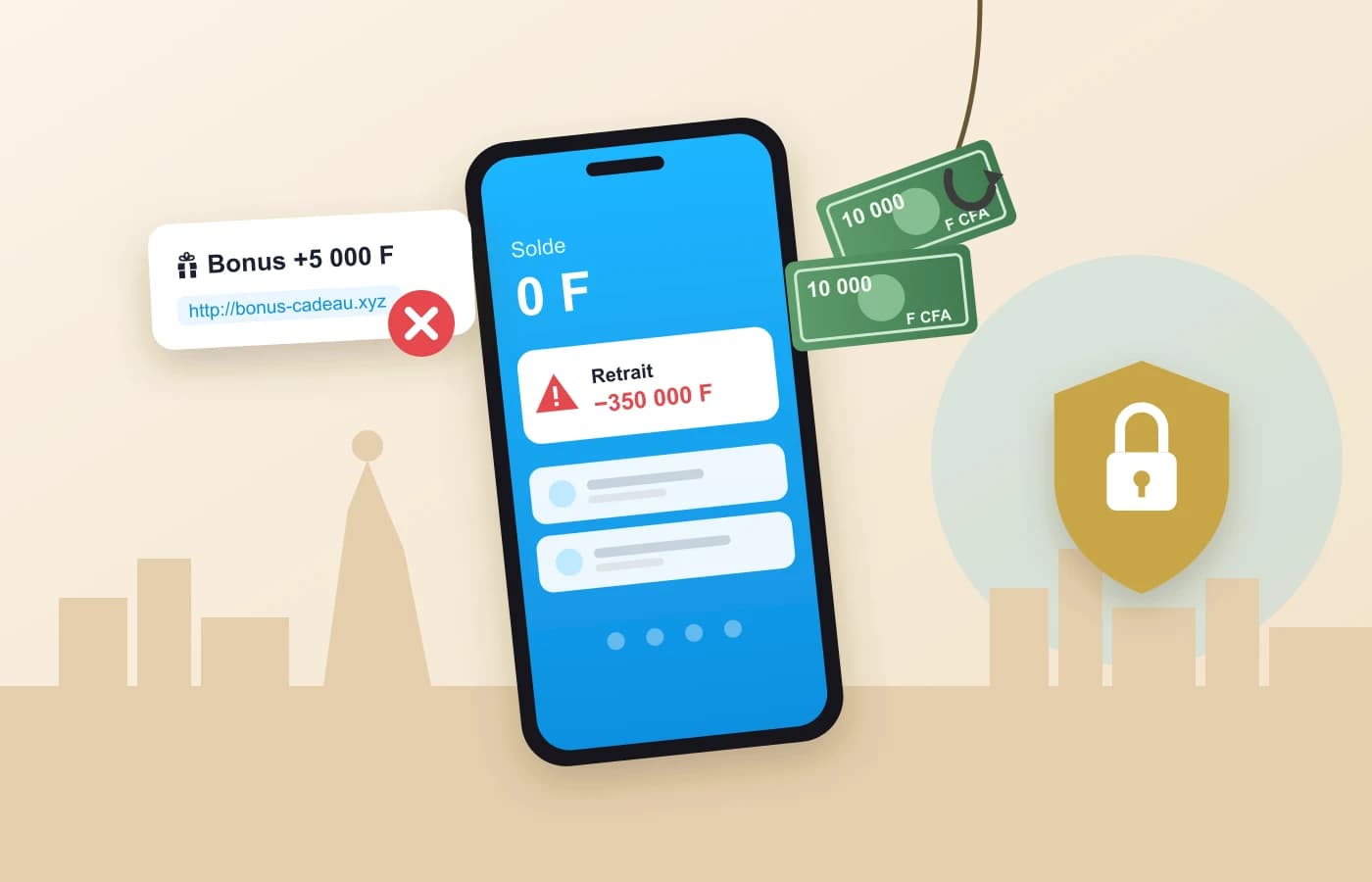
Users in Senegal say their Wave accounts were emptied without them authorising anything, sometimes of their entire salary. Fake bonuses, fake agents, codes coaxed out of victims: here are the tricks fraudsters are known to use, the habits that protect you and what to do if it is already too late.
Black screen, crashes, graphical glitches or a driver installation that refuses to work: when a graphics update goes wrong, uninstalling and reinstalling the driver is not always enough. A free utility called Display Driver Uninstaller, or DDU, can clean out an installation far more thoroughly so you can start again on a clean base.
Internet shutdowns, public Wi-Fi, remote work: the VPN has become an everyday tool, in Senegal and elsewhere. But a bad choice is costly, and a glitch does not always justify switching providers. Our guide, with no brand to sell.
Stolen credentials, customer databases, remote access: a small business’s data can be resold months before an attack. Tools, some of them free, make it possible to find out in time. How they work, what they cost and what to do with an alert.
 Guide