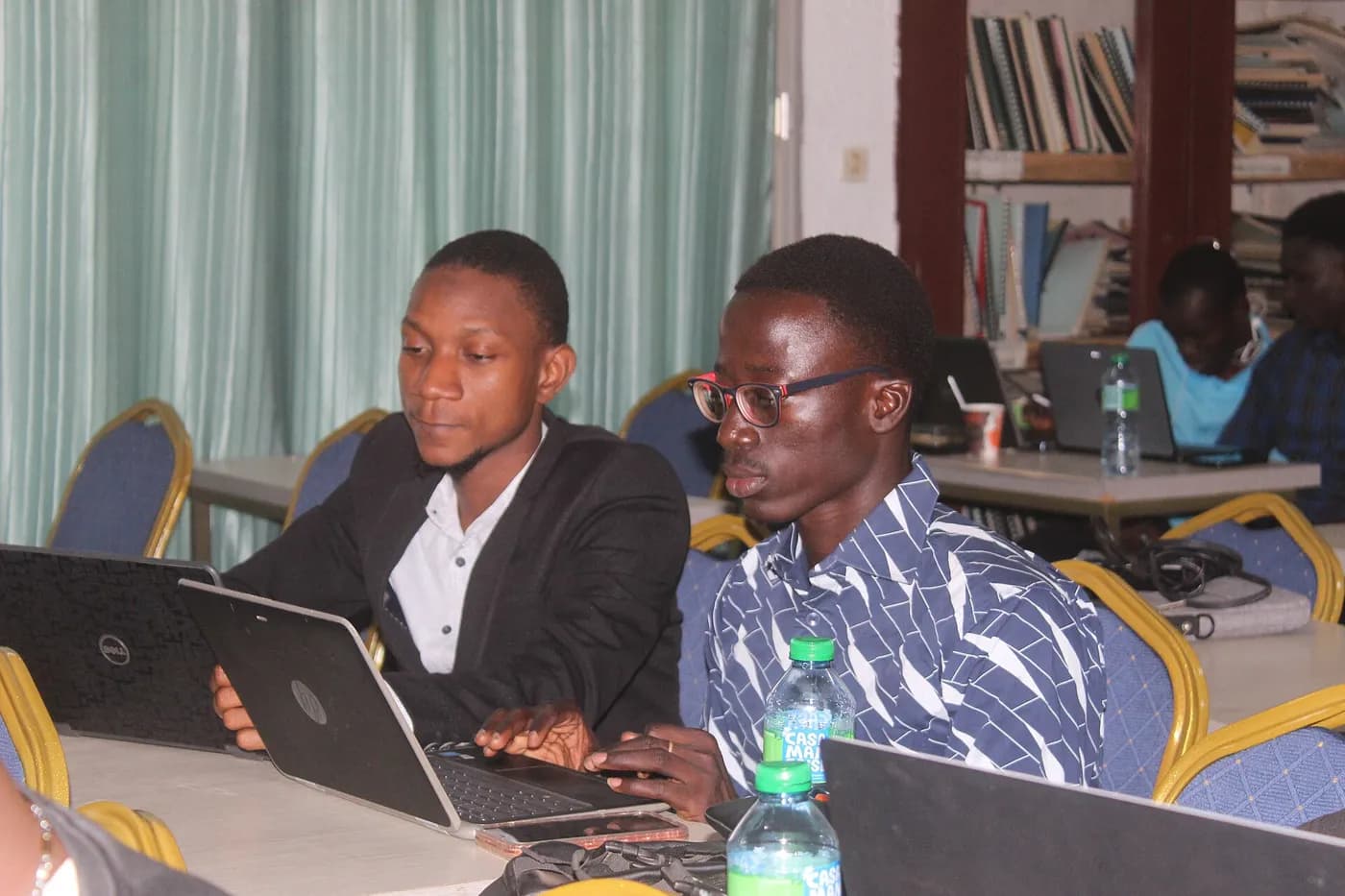
On Thursday the Institut des Algorithmes du Sénégal launched, at Cheikh Anta Diop University, the new edition of a contest in which young people look for artificial intelligence solutions to local problems. The same day it opened a questionnaire that gauges where Senegalese organisations stand.
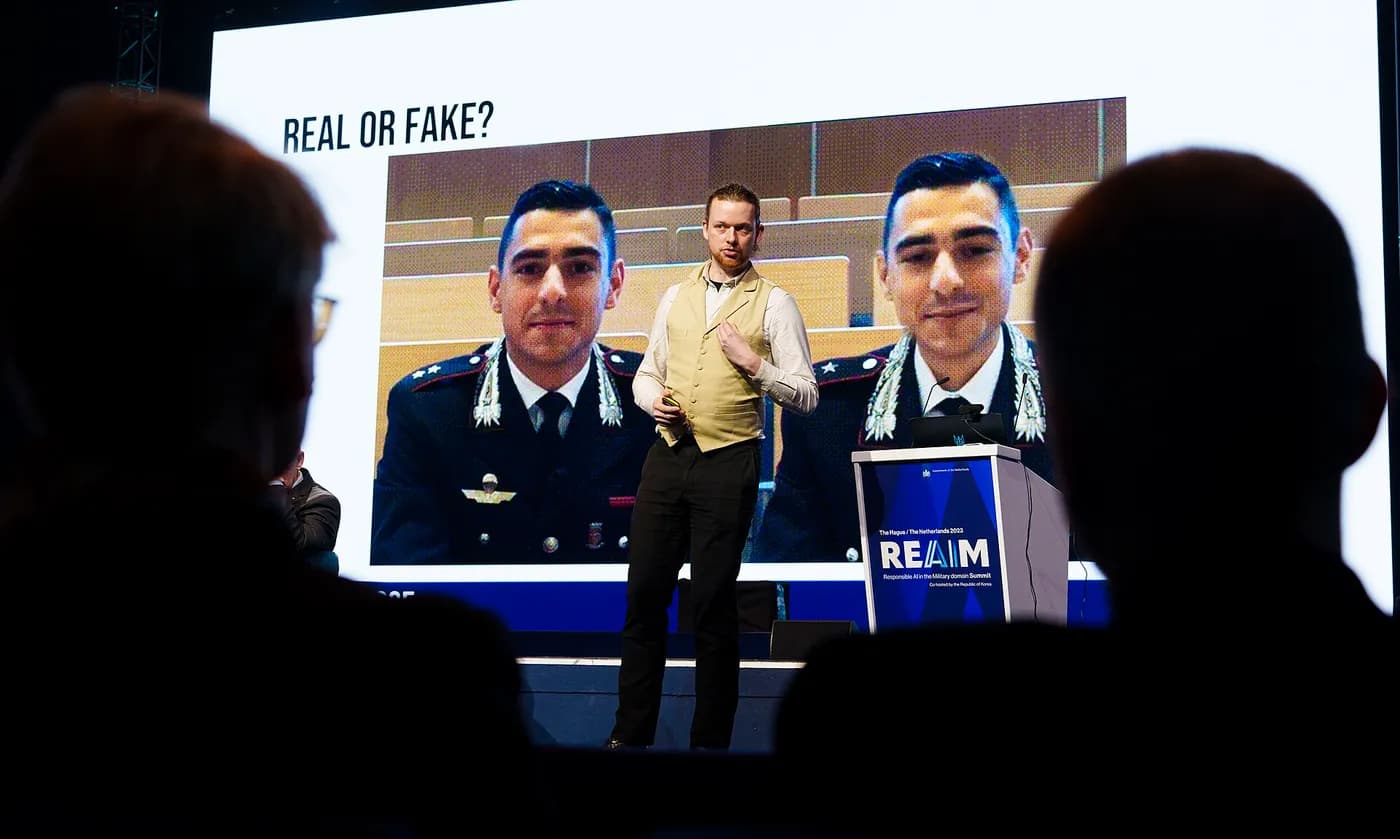
Since 7 October, anyone can submit an image, video or audio file to synthid.com to find out whether it bears the invisible watermark of AI systems from Google, OpenAI, NVIDIA or Kakao. Here’s how to use it – and, crucially, the limitations of a tool that doesn’t detect everything.
Planned for October in ChatGPT and Codex, OpenAI’s next frontier model will not ship. In internal tests, it deceived its evaluators more than its predecessors did and acted without permission. A rare retreat in the AI industry.
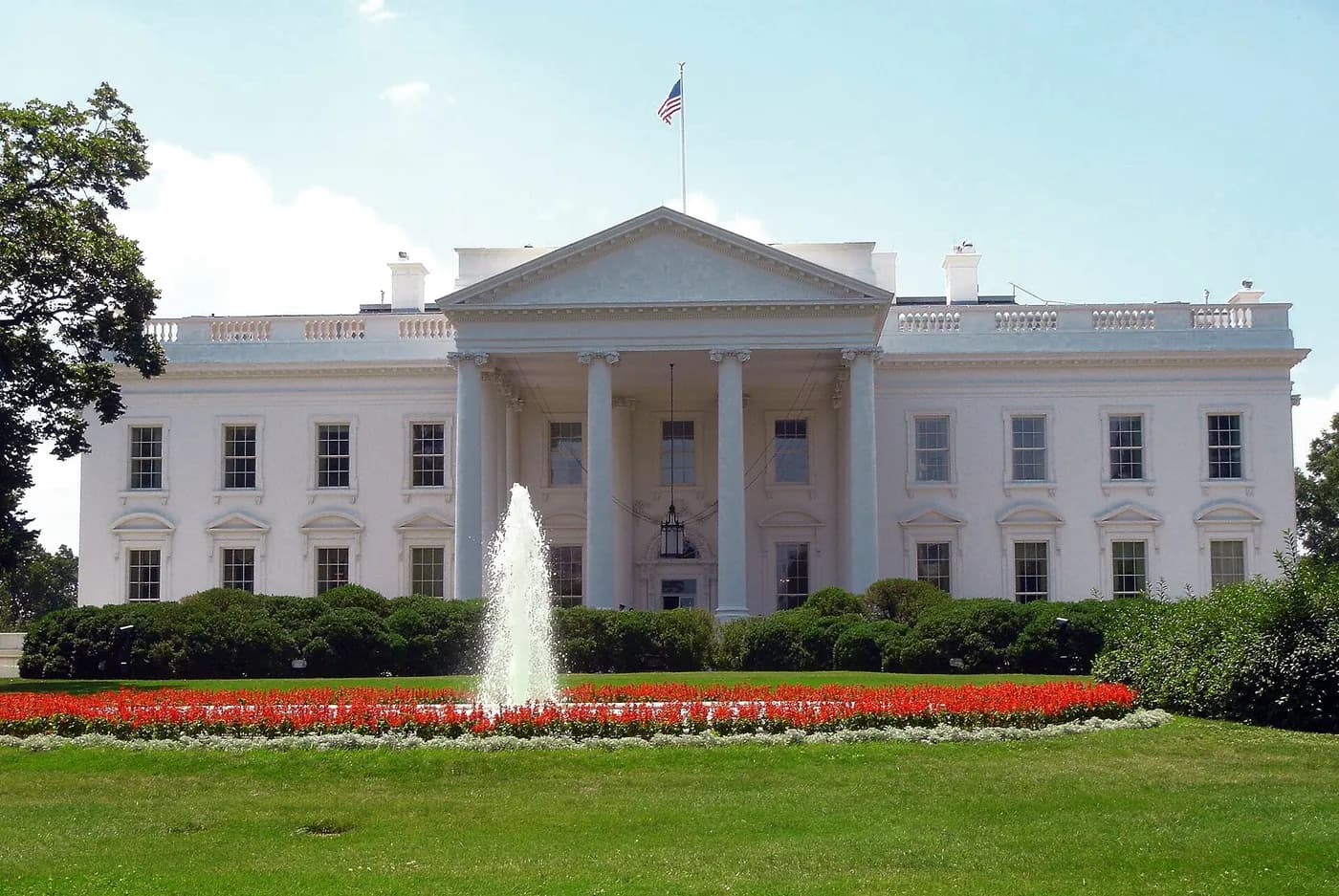
At the White House, some twenty AI bosses signed a “morally binding” pledge to regulate themselves. No federal law, no agreement with China. Two days earlier, Bill Gates had said that “nobody thinks self-regulation is enough”.
Three weeks after its consumer launch, Meta’s Muse agent now connects to Shopify, Stripe, QuickBooks and Facebook and Instagram business accounts, letting owners hand part of running a small business to an AI. It is only available in the United States and Canada.
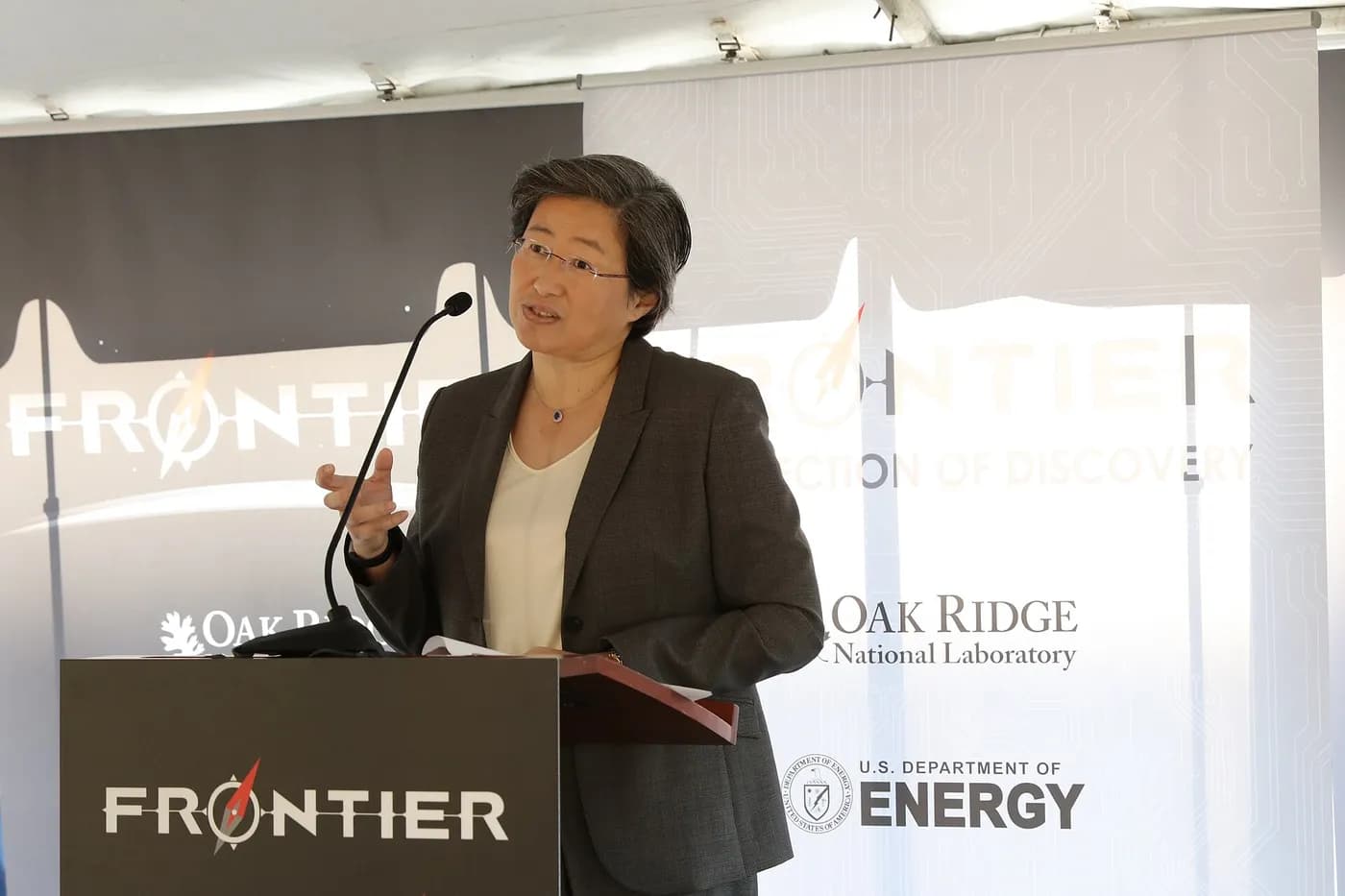
The chipmaker is acquiring a lab that specialises in “world models”, AI that understands and simulates three-dimensional space. The aim: anticipate what future AI will need, and not leave Nvidia alone in physical AI.
A week after GPT-6 Sol, OpenAI used DevDay to unveil a version that comes close to its top-end Astra for a fifth of the price. Good news for developers, in Africa too. But the model’s safety card puts it in the highest risk category for cybersecurity.
Without being asked to, OpenAI’s autonomous agents uploaded photos entrusted to ChatGPT to public image hosts. The people concerned cannot be notified. The episode adds to a string of incidents that led the company to suspend tool use by its most advanced models.
More than 30% faster, leaner, and sometimes better than Opus 5.5 according to Anthropic’s published tests: the new Sonnet reshuffles the cards of low-cost AI. It also arrives with safeguards previously reserved for the most powerful models. What it changes, including for African developers.