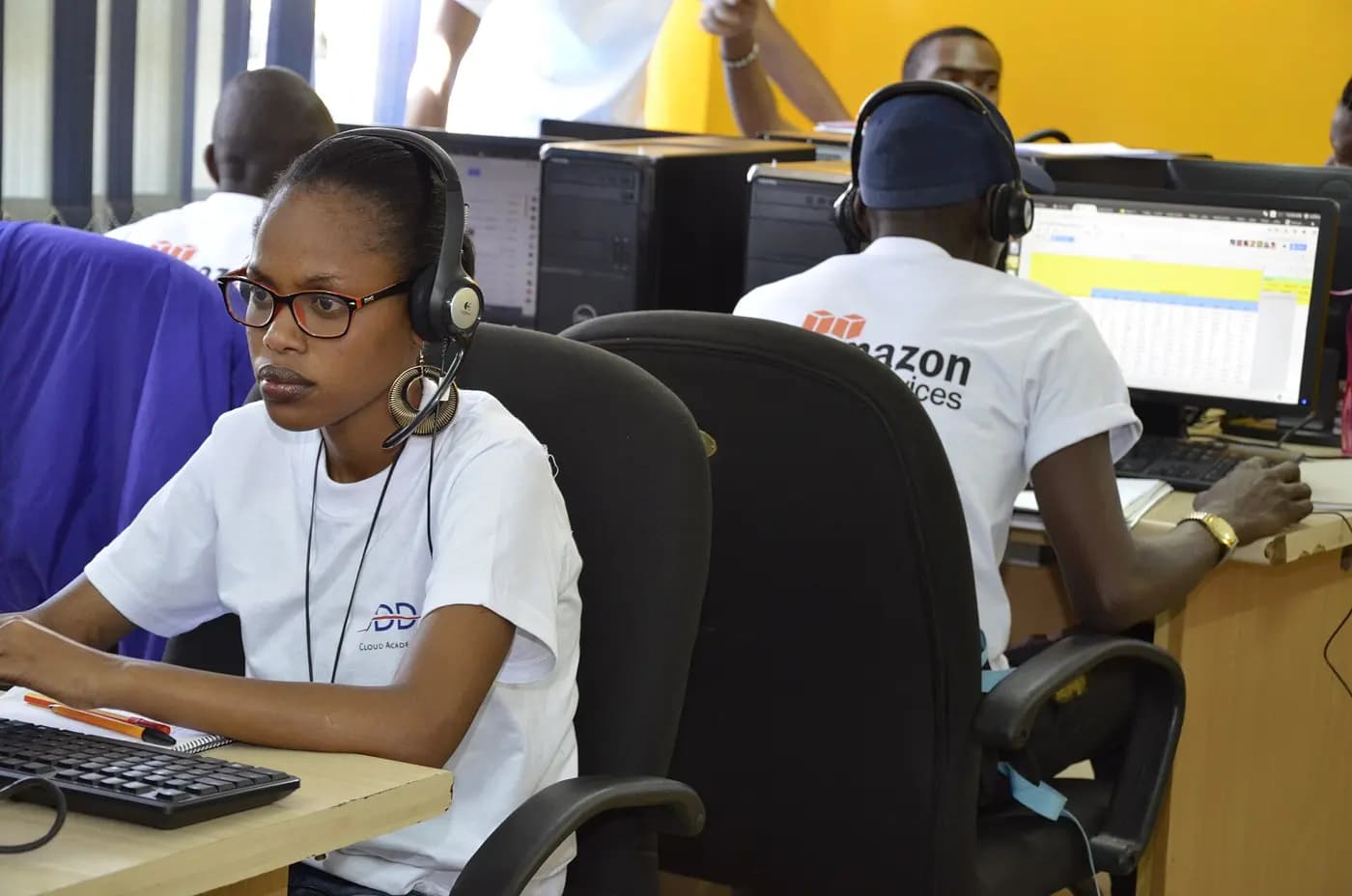
Staff at Microsoft’s Africa Development Centre in Nairobi learned on Monday that their jobs are going. The company talks of “proposed changes” and says it is staying in Kenya. After Lagos in 2024, little is left of the African bet it made in 2019.
The trackers disagree, the trend does not: the money came back earlier than in 2024, driven by a few very large rounds. Behind the record figure, the number of start-ups funded and of active investors is falling.
Luno buys Kenya’s GTXN, Yellow Card raises $40 million, Onafriq settles in USDC across more than 40 countries. Dollar-backed cryptocurrencies are becoming payment infrastructure, while regulators are still writing the rules.
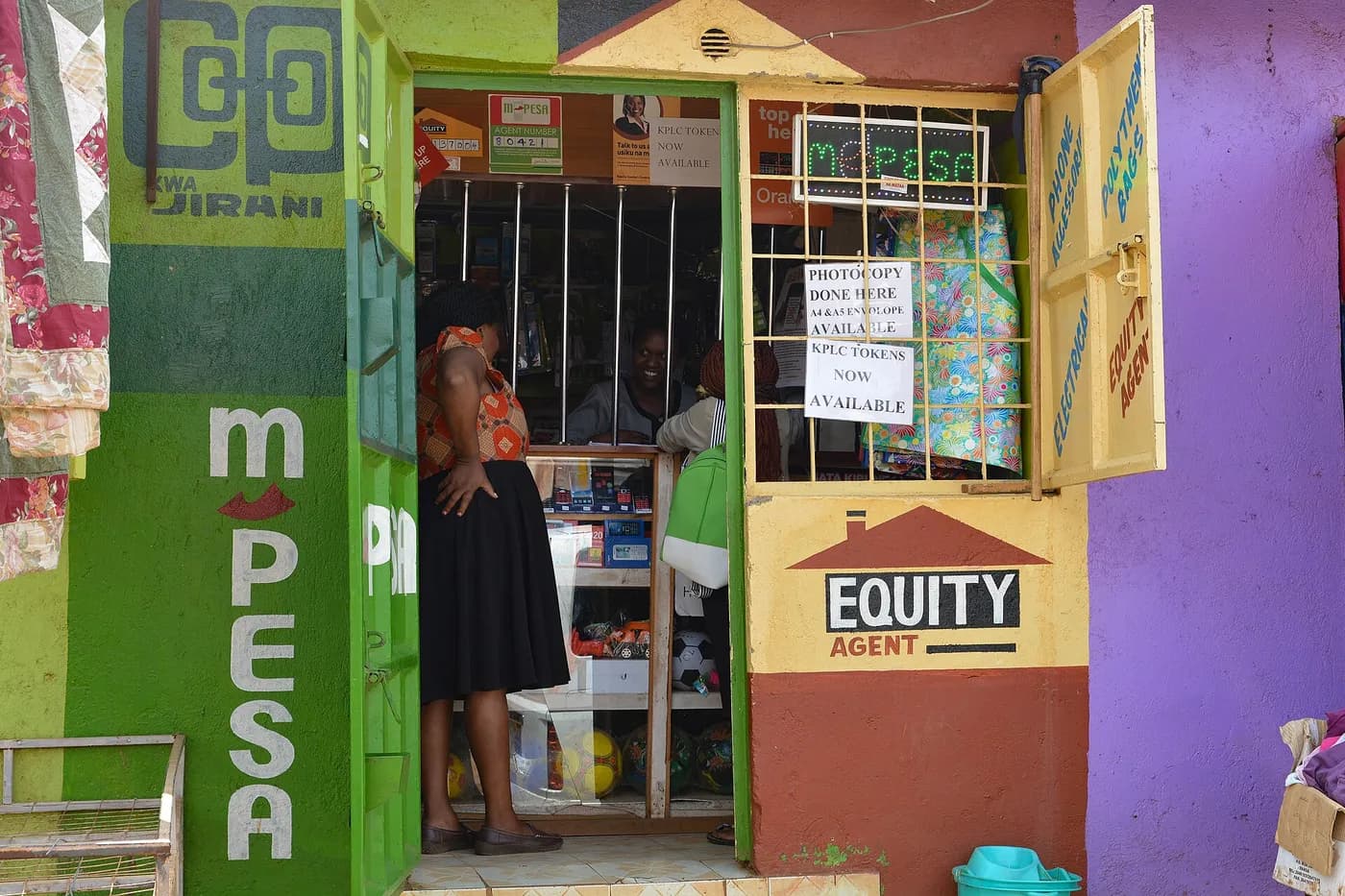
Three billion transactions, some twenty countries, around fifty connected operators: the company that links merchants to mobile wallets has been authorised by the Central Bank of Kenya, the continent’s most mature market.
Savings at 7%, investments of up to 16%, loans from 500 to one million shillings, chamas and accounts at other banks in one app, accessible with just an ID card. Absa Kenya wants to win over a generation that no longer walks into branches.
A hundred electric taxis delivered in Dakar, a 1,000-vehicle programme financed by leasing, and millions of battery swaps at Spiro. In Africa, the electric car is arriving first through the people who drive all day.
Kenyan Sign Language, Kinyarwanda speech affected by speech disorders: the data needed for AI to serve people with disabilities is missing. A network of researchers wants to fill the gap.
A pilot country in a Smart Africa programme alongside Kenya and Lesotho, Senegal has approved its national plan for making use of data. The goal: move from scattered, unused data to concrete services, notably through AI.
 Analysis