PawaPay wins its Kenyan licence: the quiet switchman of African mobile money moves up a gear
Three billion transactions, some twenty countries, around fifty connected operators: the company that links merchants to mobile wallets has been authorised by the Central Bank of Kenya, the continent’s most mature market.
- PawaPay’s Kenyan subsidiary is authorised as a payment service provider by the Central Bank of Kenya.
- The company connects merchants to around 50 mobile money operators in some twenty countries.
- Three billion transactions passed in June 2026; nearly 5 million a day.
- Born out of the betPawa betting group, it is diversifying its clients towards commerce, remittances and humanitarian aid.
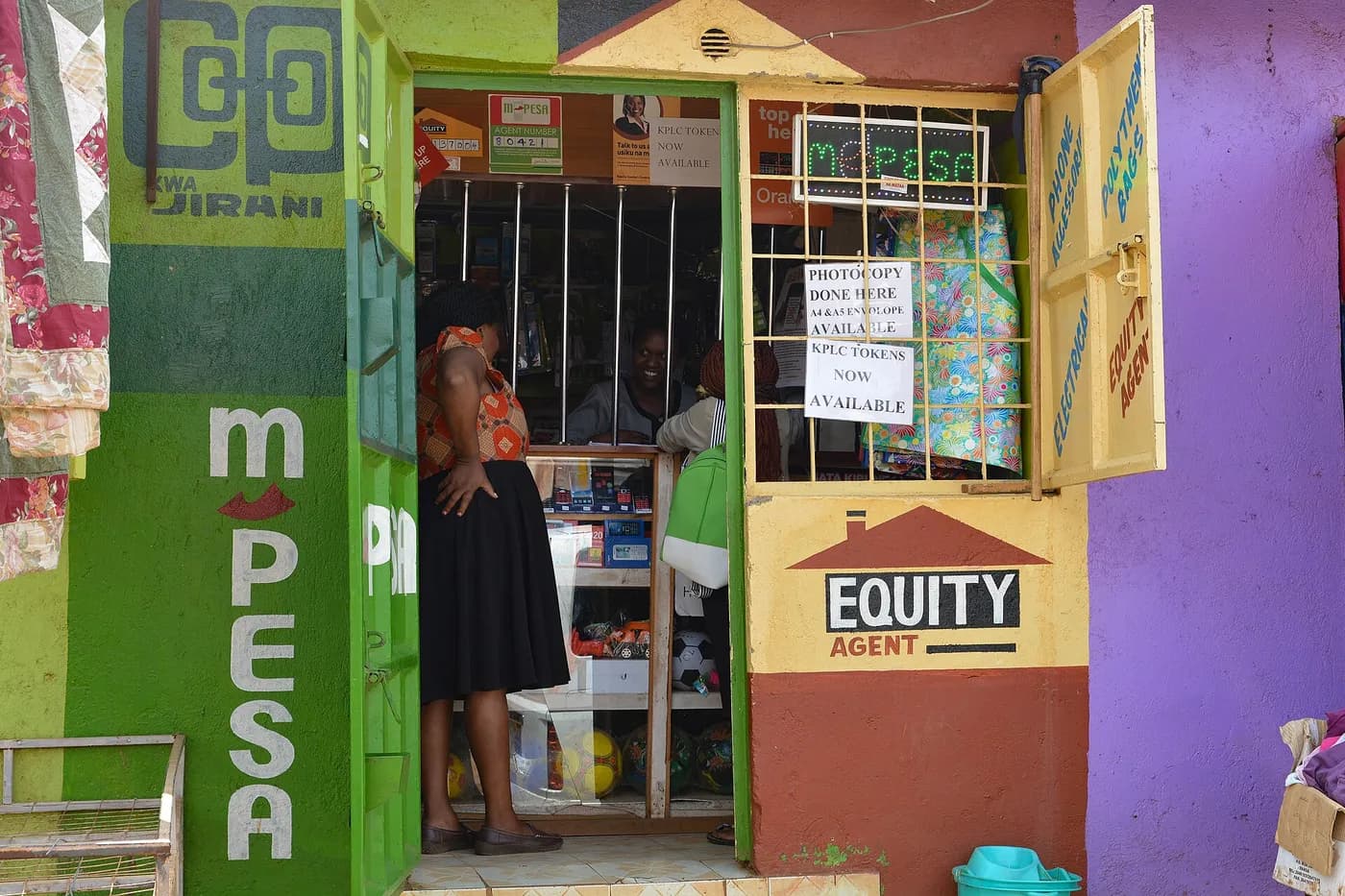
Few consumers know its name, and that is to be expected. PawaPay sells nothing to the general public. The company is one of those invisible pieces of infrastructure that allow a betting app, an e-commerce site or an NGO to collect and pay out money on the mobile wallets of millions of Africans. In September 2026, its Kenyan subsidiary, Quidexplus Kenya Limited, was authorised by the Central Bank of Kenya (CBK) as a payment service provider.
For a company claiming three billion successful transactions, entering Kenya’s regulatory framework may look like a formality. It is not. Kenya is the birthplace of M-Pesa and one of the most established mobile payment markets in the world. Operating there under licence means moving into a different league.
The problem PawaPay solves
African mobile payments are a success, but a fragmented one. Every country has several operators, and every operator has its own system, its own technical rules, its own settlement times and compliance requirements. A company that wants to collect payments in ten countries must in theory sign dozens of contracts, build as many integrations, handle currencies and reconcile flows that look nothing alike.
PawaPay sits in the middle. The merchant connects once to its interface, and the company handles the rest: relations with operators, payment routing, settlement of funds, currency exchange, reconciliation and regulatory compliance. That is the role of an aggregator, or of a switchman, to borrow a railway image.
- About 50 connected mobile money operators, in some twenty African markets.
- More than a billion reachable mobile wallets.
- More than €10 billion in payments processed.
- A very varied client base: digital platforms, transport, money transfers, commerce, and humanitarian organisations such as GiveDirectly.
Three billion transactions, faster and faster
The growth curve is striking. PawaPay took more than four years to reach its first billion transactions, less than twelve months for the second, and less than nine months for the third, passed in June 2026. Daily volume rose from about 2.4 million transactions in September 2024 to nearly 5 million in June 2026.
PawaPay: transactions per day
In millions. Source: PawaPay, quoted by TechMoran
According to chief operating officer Jamie Steell, the strongest growth comes from Ghana, Tanzania, Cameroon and Uganda, a mix of West, East and Central Africa that shows the company does not depend on a single market.
Born in sports betting
PawaPay’s history explains its model. The company comes from the pawaTech group, built around betPawa, a sports betting platform founded by Danish entrepreneur Kresten Buch and present in many African countries. To run its betting business, the group had to collect and pay out millions of small sums every day via mobile money, in countries with different systems. It built its own integrations, then realised this know-how could be sold to others.
The payments arm became a business in its own right in early 2020. In 2021, it raised $9 million in seed funding from 88mph and MSA Capital, with Kepple Ventures, Vunani Capital and Zagadat Capital. Since then, the company has grown mainly on its revenue. According to the pawaTech group’s accounts cited by TechMoran, turnover rose from €20.5 million in 2023 to €78.5 million in 2024, then to €100.6 million in 2025, with a profit of €36.3 million last year.
What the Kenyan licence changes
In Kenya, the National Payment System Act governs payment service providers, which must be authorised by the Central Bank. Authorisation comes with requirements on capital, governance, safeguarding of customer funds, anti-money laundering and IT security. For large corporate clients, particularly international ones, working with a provider directly regulated in the country reduces their own risk.
« Kenya is one of the most established mobile money markets in the world. This authorisation strengthens our regulated presence in the country and our ability to support businesses that accept mobile payments. »
David Kanyora, PawaPay’s regional director for East and Southern Africa (paraphrased)
The licence also comes as African regulators take a tougher line on payment intermediaries. In recent years, several central banks have reminded aggregators that they must be licensed locally, rather than operating from abroad through partners. PawaPay is getting ahead in a market where this status is becoming a condition for signing large clients.
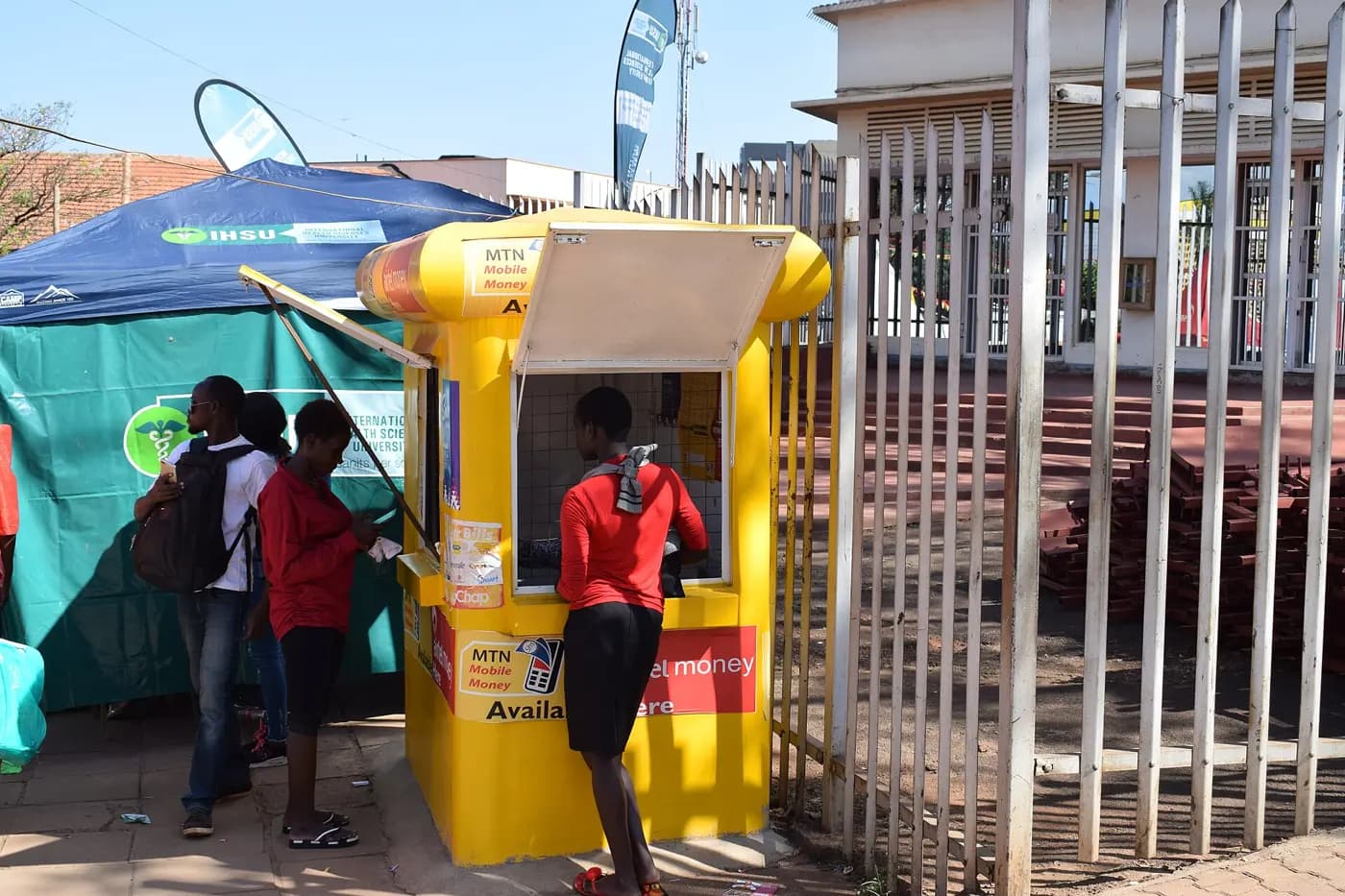
For a Kenyan merchant or a foreign company selling in Kenya, the difference is practical: a single contract with a locally regulated provider, customer funds protected under Central Bank rules, and a counterpart subject to the regulator’s oversight in case of dispute. For the end user, nothing visibly changes: they keep paying from their M-Pesa or Airtel Money wallet, without knowing who routes their payment.
Competition is heating up
Mobile payment collection attracts many players: the big pan-African fintechs, which are adding mobile money to their card payment offerings; the telecom operators themselves, which are opening their interfaces to developers; and specialists in money transfers. That same month, for example, the cryptocurrency platform Luno announced the acquisition of Kenyan fintech GTXN to strengthen its hand in cross-border payments.
PawaPay’s advantage lies in its depth: direct integrations with dozens of operators, including in Central African markets less covered by the big fintechs, such as Cameroon and the two Congos. Its potential weakness lies in its origins: part of its volume has historically come from betting and gaming platforms, a sector under growing scrutiny in several countries. Diversifying towards commerce, remittances, launched in 2025 in Congo-Brazzaville and Uganda, and humanitarian aid is therefore strategic.
What to watch
Three questions will shape what comes next. First, the company’s ability to sign large Kenyan clients now that it is regulated locally. Second, interoperability: if operators and central banks make payments between wallets of different operators widespread, the role of aggregators will change. Finally, funding: a profitable company can finance its own growth, but expanding into new countries and new services is costly.
For the ecosystem, PawaPay’s story is a reminder of an often-forgotten reality: Africa’s most used payment infrastructure is not always the one making headlines. It is built connection by connection, licence by licence, through billions of small everyday transactions.
- The Power Behind PawaPay’s 3 Billion Mobile-Money Transactions, TechMoran.
- PawaPay Receives Payment Service Provider (PSP) Authorization from the Central Bank of Kenya, iGaming Afrika.
- Directory of Payment Service Providers, Banque centrale du Kenya.
Spotted an error? Write to infos@novotech.blog. Corrections are flagged at the end of the article.