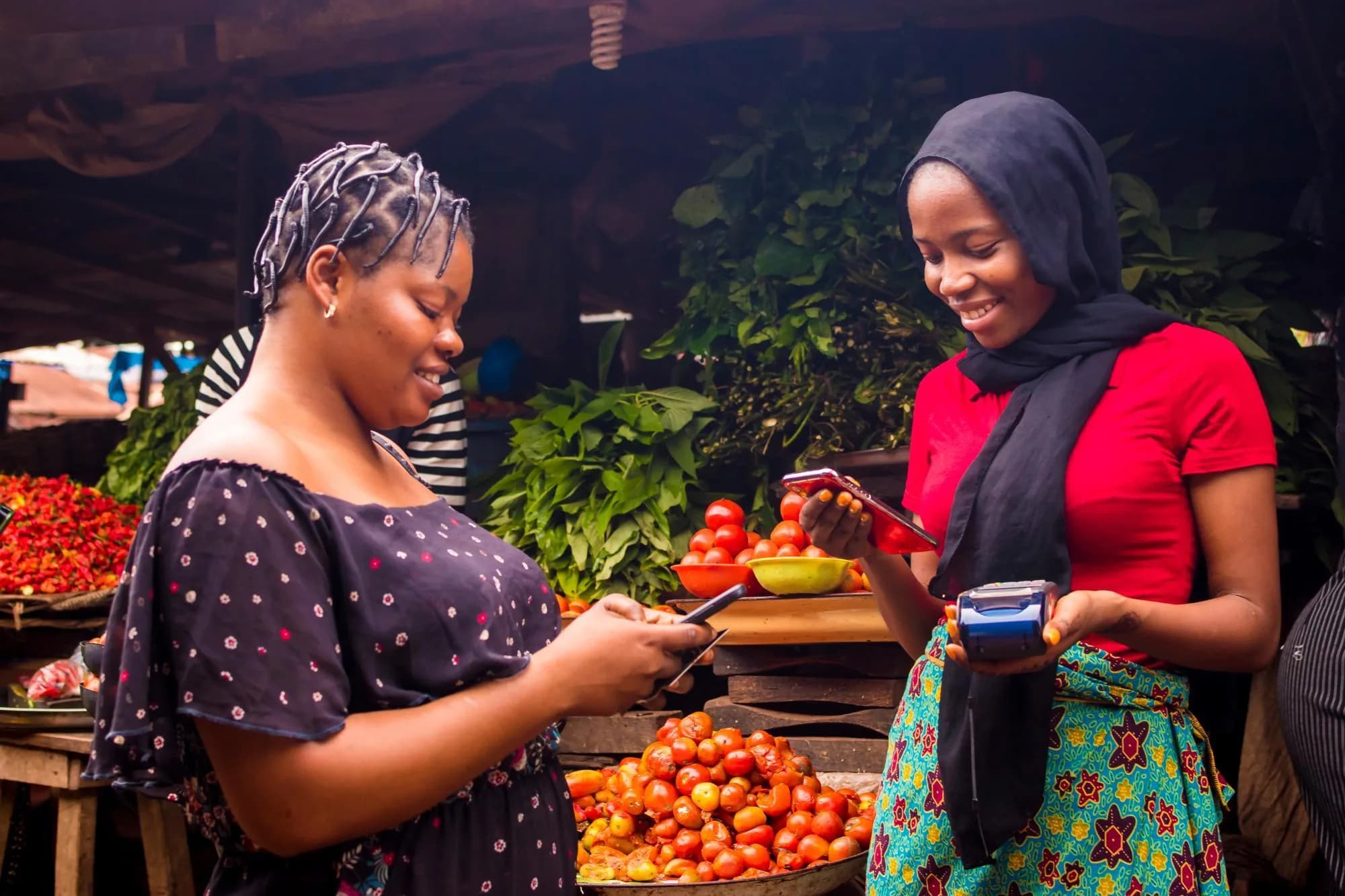
Owning an electronic wallet is not enough to join the financial system. A white paper relayed by CIO Mag puts a number on the gap between accounts opened and accounts in use, and proposes four workstreams to make mobile money an everyday tool.
The Senegalese Association for Economic Intelligence, chaired by Amadou Cissé, set out its 2026 programme on October 18: training, conferences and a push to get organisations to protect their data. So far the plan comes with no timetable, no public partner and no figures.
Shareholders in the Senegalese telecoms operator approved a 1-for-10 split on October 8. Each share becomes ten, the par value falls from 500 to 50 CFA francs and the price of roughly 45,000 CFA francs will be divided accordingly. What investors own is worth exactly the same.
Launched in February 2025 with a 1.105 trillion CFA franc price tag, Senegal’s digital plan has delivered its first government platforms and its first laws. But its most tangible promise, to connect a million people by December, has lost its main tool, and the big industrial projects are still just signatures. A progress report, with the numbers.
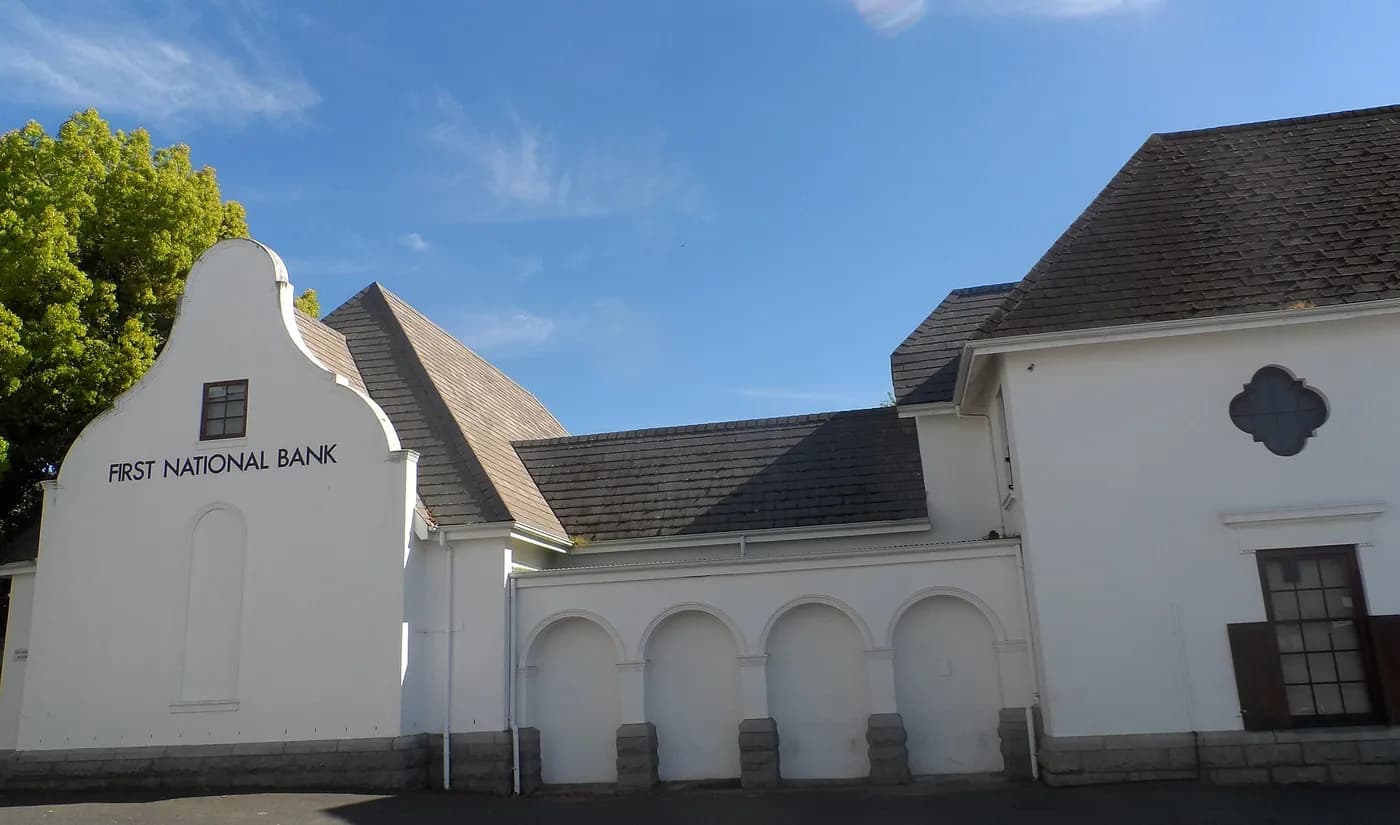
Since 6 October, First National Bank customers have been able to buy and sell five cryptocurrencies from as little as 10 rand via their app. It’s a simple, regulated entry point, but with a significant catch: you cannot withdraw your coins from the platform.
Dakar has signed an 88.3 billion CFA franc partnership agreement with a network of investors and an Indian company to assemble computers, smartphones and tablets locally. The first devices are due to be delivered in December; the source of the funding remains unclear.
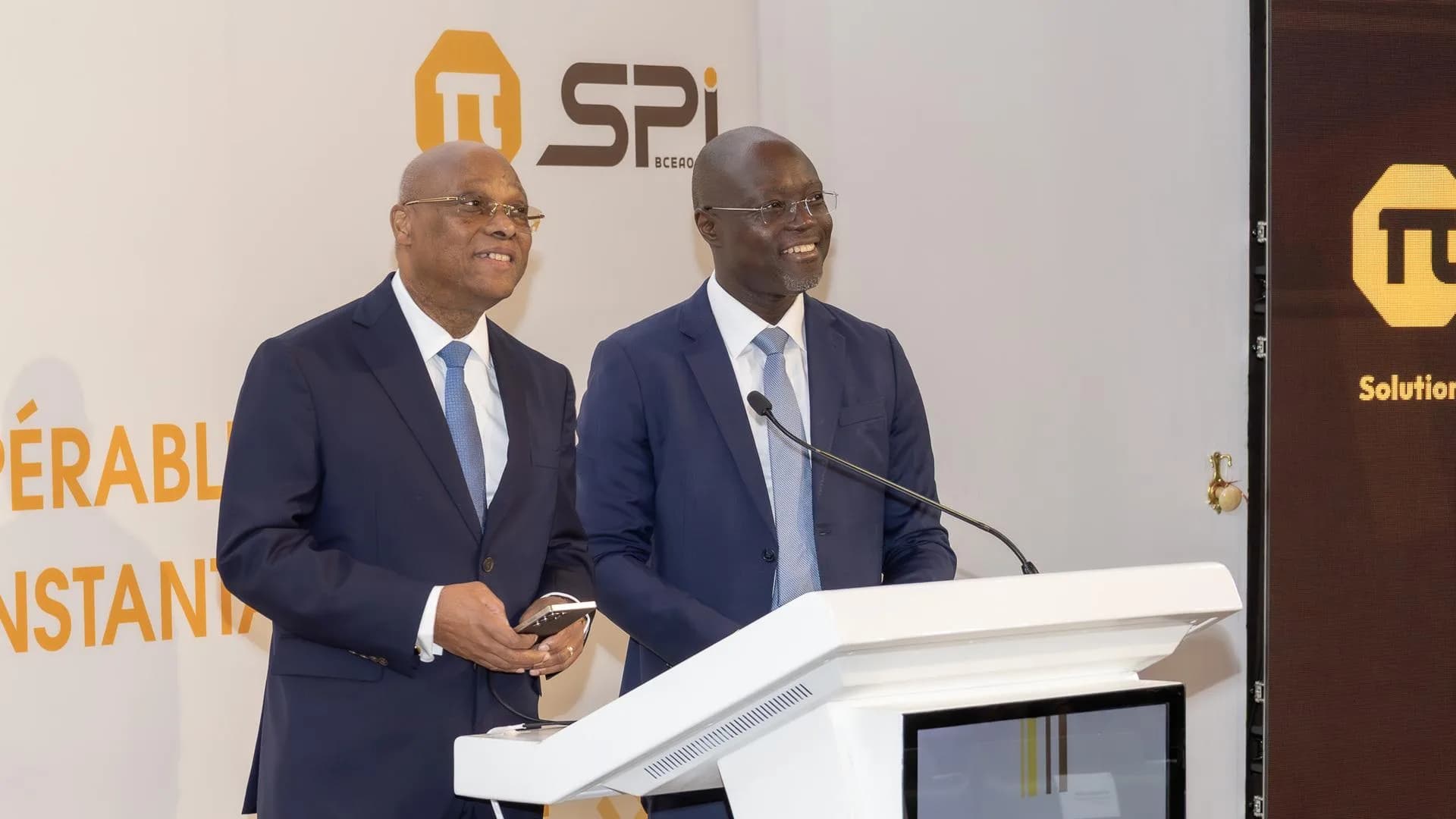
The BCEAO is revising the fees for its PI-SPI platform less than a year after its launch. From 2 November 2026, domestic transfers of up to 8,000 CFA francs a day will remain free, while transactions above that threshold may be charged up to 0.8%. A change that could reshuffle the cards for mobile money and digital payments across WAEMU.
Ghana is seeing strong growth in digital payments, driven largely by mobile money. But this transformation is also widening the attack surface for cybercriminals. The authorities want to strengthen the security of the digital financial sector while keeping users’ trust.
The CBN has cut its policy rate by 3.5 points to 23%, its biggest cut on record. Yet ten years of data show that rates explain only a small part of lending to small businesses, which remains marginal.