Senegal’s Technology New Deal, 19 months on: online services delivered, Starlink switched off, billions still on paper
Launched in February 2025 with a 1.105 trillion CFA franc price tag, Senegal’s digital plan has delivered its first government platforms and its first laws. But its most tangible promise, to connect a million people by December, has lost its main tool, and the big industrial projects are still just signatures. A progress report, with the numbers.
Why it mattersThis plan will shape what you pay for internet access, how long it takes to get an official document and how many digital jobs exist by 2034. Here is what already works, and what so far exists only on paper.

- Launched on February 24, 2025, the Technology New Deal plans 1.105 trillion CFA francs of spending over ten years across twelve programmes and about fifty projects; some 155 billion was still unfunded.
- What has been delivered is mostly administrative: the e-Sénégal portal, a data-sharing platform between ministries, e-Consulat, an operational Startup Act and a cybersecurity law passed unanimously in August 2026.
- The goal of connecting a million people by the end of 2026 lost one of its tools when the Supreme Court suspended Starlink’s licence on September 7.
- The big industrial projects, including the 88.3 billion CFA franc Digital Factory and a framework deal with Nokia, are signed but not delivered, and their funding remains unclear.
- The ministry has 81 billion CFA francs of spending for 2026, but no usage figures and no consolidated account of the plan’s spending have been published.
Senegal’s government has eleven weeks left to keep its most striking promise: free internet access for a million people before the end of 2026. In April, the digital ministry sent satellite kits on a tour of Ziguinchor, Kolda and Kaolack, with schools and health centres first in line. Five months later, on September 7, the Supreme Court suspended the licence of Starlink, the operator the plan partly relied on. The government has not said publicly since then how it intends to make up the gap.
That episode sums up fairly well where the Technology New Deal stands, nineteen and a half months after its launch. The platforms that depend on the administration itself are moving. The projects that depend on a private partner, a judge or outside money are moving much more slowly. And several headline numbers presented as achievements are, for now, framework agreements and memorandums of understanding.
NovoTech went back over the February 2025 commitments, the official progress reports of March 2026, the budget voted for 2026 and the announcements of recent weeks. What follows separates what has been delivered, what has been signed and what is stuck.
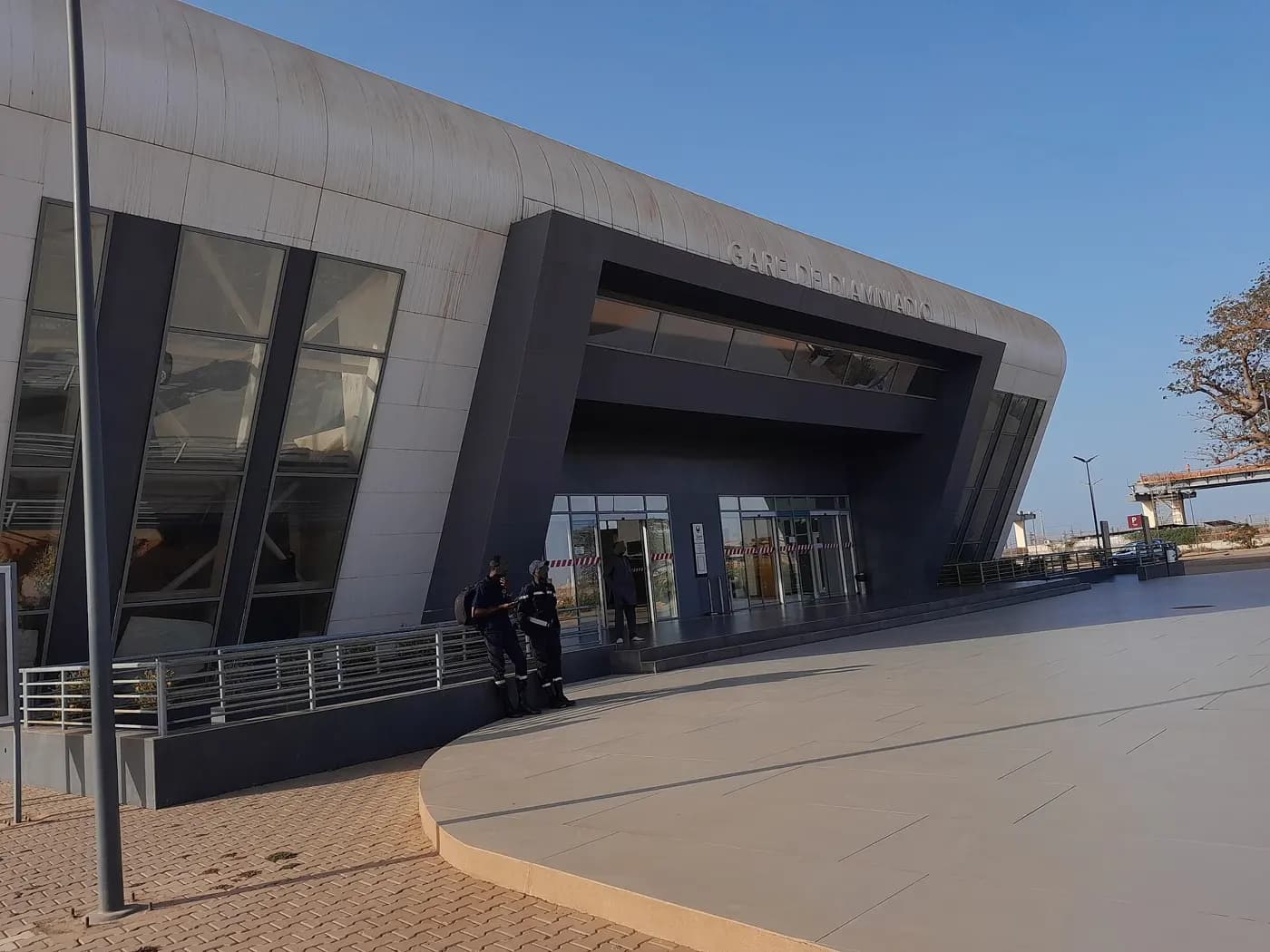
The Diamniadio promise

On February 24, 2025, at the Abdou Diouf International Conference Centre in Diamniadio, President Bassirou Diomaye Faye unveiled the strategy replacing “Senegal Digital 2025”. The Technology New Deal sits under the national transformation agenda, “Senegal 2050”, and runs for ten years, to 2034. Its cost: 1.105 trillion CFA francs, about €1.68 billion, or $1.7 billion to $2 billion depending on the exchange rate used.
The master plan has twelve programmes and about fifty priority projects, grouped under four pillars: digital sovereignty, meaning networks and data centres; putting public services online; growing the digital economy; and making Senegal a reference for the sector on the continent.
The 2034 targets, as published on the official site vie-publique.sn, are ambitious: 95% quality connectivity, a digital economy worth 15% of GDP, more than 500 certified start-ups and 100,000 digital graduates. On jobs, the figures vary between documents. The government site talks of 350,000 direct and indirect jobs; Agence Ecofin uses 150,000 direct jobs. The two numbers do not measure the same thing, and no public document explains how the jobs will be counted.
The money was not fully lined up at the outset either. According to Sika Finance, 800 billion CFA francs were budgeted under the national agenda, 150 billion came from private financing already available, and 155 billion had yet to be found. In March 2026, Prime Minister Ousmane Sonko spoke of 950 billion “identified”, which leaves the same gap of roughly 155 billion.
March 2026: from plans to execution
The first year was mostly spent organising projects and their governance. On March 24, 2026, at the same venue, Ousmane Sonko launched the “operational phase”. The prime minister set the bar high: the plan, he said, commits the state to “a deep, irreversible break” with its old structures. He also put his finger on a long-standing weakness of Senegal’s administration, its silos: without clear answers on coordination, “each ministry moves in its own direction”, and in the end “it is the public Treasury that pays the bill”.
Seven projects were presented that day as the building blocks of the country’s “digital public infrastructure”, according to the Senegalese Press Agency. The e-Sénégal portal, a one-stop shop for administrative procedures. A universal connectivity programme. A platform that lets government departments share data, built on the “Once Only” principle: citizens provide a piece of information the state already holds only once. SENGEC, an electronic mail-management system being tested in several ministries. The roll-out of the Startup Act. E-Consulat, for passports, consular cards and visas requested from abroad. And a monitoring platform meant to track the programmes’ progress in real time.
Three infrastructure projects were launched the same day: a sovereign cloud to host public data inside the country, connectivity for more than a million Senegalese, including in remote areas, and more bandwidth for government offices. On that last point the government gives a precise figure: the capacity of the state intranet has risen from 600 megabits to 20 gigabits per second.
What has been delivered

The tangible results so far are mostly administrative. The e-Sénégal portal exists and is available as a mobile app; criminal record certificates are among the first procedures integrated, according to a ministry document cited by Le Soleil in March. The data-sharing platform is working between departments. The National Digital Council, twenty unpaid figures from government, business and civil society tasked with advising the government, was installed by the prime minister on October 2, 2025.
The Startup Act, passed in 2020 but long left on the shelf, became operational on November 20, 2025, when certification opened. The label brings tax and customs advantages and easier access to public contracts. How many companies have obtained it? Neither the ministry nor the certification body has published a figure that we could find. The target of 500 certified start-ups by 2034 therefore cannot yet be tracked.
That is the common weakness of these achievements: none comes with usage figures. How many procedures have been completed on e-Sénégal? How many criminal record certificates issued online? How many Senegalese abroad have renewed a passport without travelling? The monitoring platform was supposed to answer exactly these questions. Its dashboards have not been made public.
A sovereign cloud built on Chinese technology

Digital sovereignty is the plan’s first pillar, and the cloud is its symbol. The government wants to host the state’s sensitive data in two national data centres, in Diamniadio and Orana, according to the March 24 announcements reported by Kewoulo. The legal framework is following: the cybersecurity law on critical infrastructure passed in August sets out the principle that public data should be hosted locally.
Yet the first building block of this national cloud was built by a foreign group. In March 2026, Sénégal Numérique SA (SENUM SA), the state company that runs government infrastructure, took delivery of a system built by Alibaba Cloud on its Apsara Stack product, according to TechReview Africa. It will first run the applications for the Dakar 2026 Youth Olympic Games, from October 31 to November 13, and then serve as the base for a national public cloud open to government and business. The agreement was signed in July 2025 in Hangzhou, during a visit to China by Ousmane Sonko. It also covers training 200 engineers and supporting 1,000 young people through the Alibaba Cloud Academy.
None of this is unusual: few African countries can afford to design a cloud software stack on their own, and most buy the technology from American, European or Chinese groups. But the sovereignty the government talks about is first of all a sovereignty of location, the data stays in Senegal, rather than a technological one. The difference will matter the day these systems need to be updated, audited or replaced.

A million connections and a switched-off dish
On connectivity, the starting point is known. According to DataReportal’s Digital 2026 report, 11.5 million Senegalese were using the internet at the end of 2025, or 60.6% of the population. The gap between Dakar and the rest of the country is wide: figures cited by Afrique IT News put access at no more than 3% in rural areas against 43.8% in the capital, numbers to be treated with caution in the absence of a recent official source.
To close that gap quickly, the state bet on satellites. On November 6, 2025, a ministerial order allowed Starlink, SpaceX’s subsidiary, to operate for five years. In return, the company was to supply 5,000 kits at a preferential price for schools, universities, local authorities and border areas, enough to connect about a million people through community Wi-Fi networks. The minister at the time, Alioune Sall, put the expected savings for the state at 64 billion CFA francs.
Orange Sonatel, the incumbent operator, challenged the order. Its argument: it has paid the state 134.5 billion CFA francs for licences and spectrum, while its rival was let in by a simple ministerial order. On September 7, 2026, the Supreme Court’s emergency judge suspended the licence without ruling on the merits. In the meantime, Sonatel had launched its own satellite internet offer with Eutelsat in December 2025. The state, which owns about 27% of Sonatel, finds itself on both sides of the dispute.
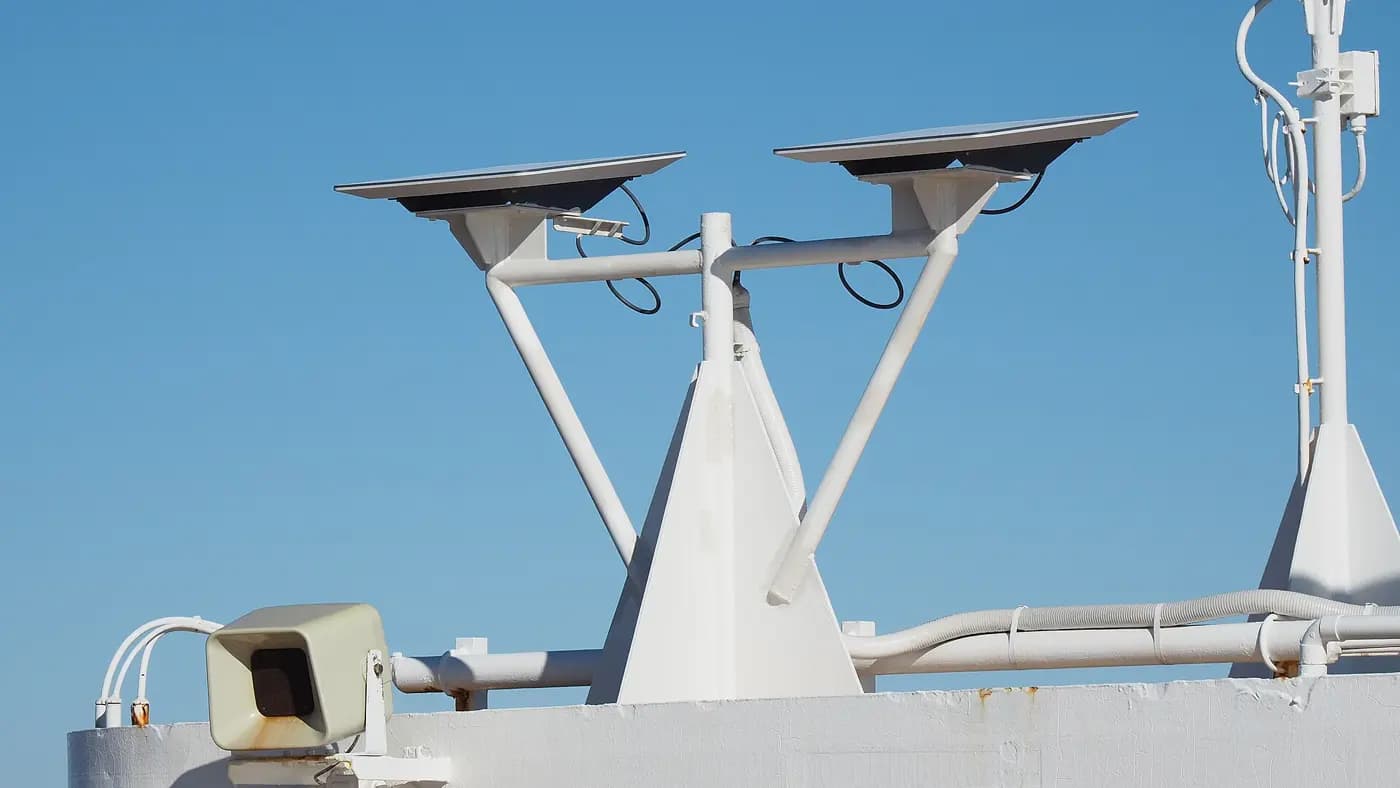
The April statements about the kit tour named no supplier, no number of sites and no budget. Since the court’s decision, the government has published no new timetable for the million-connection target. It could still be met with other satellite or terrestrial solutions, but nothing in the public record shows where the count stands.
The terrestrial network, meanwhile, is growing at the borders. On October 5, 2026, SENUM SA and its Malian counterpart, SMTD, inaugurated the link between their fibre-optic networks, under the umbrella of the West African Backbone Network. The stated aim is to withstand the undersea cable cuts that regularly knock the region offline for hours. For a user in Kédougou or Matam, the effect will be indirect: cross-border fibre secures traffic, it does not reach their home.
Signed, not yet delivered
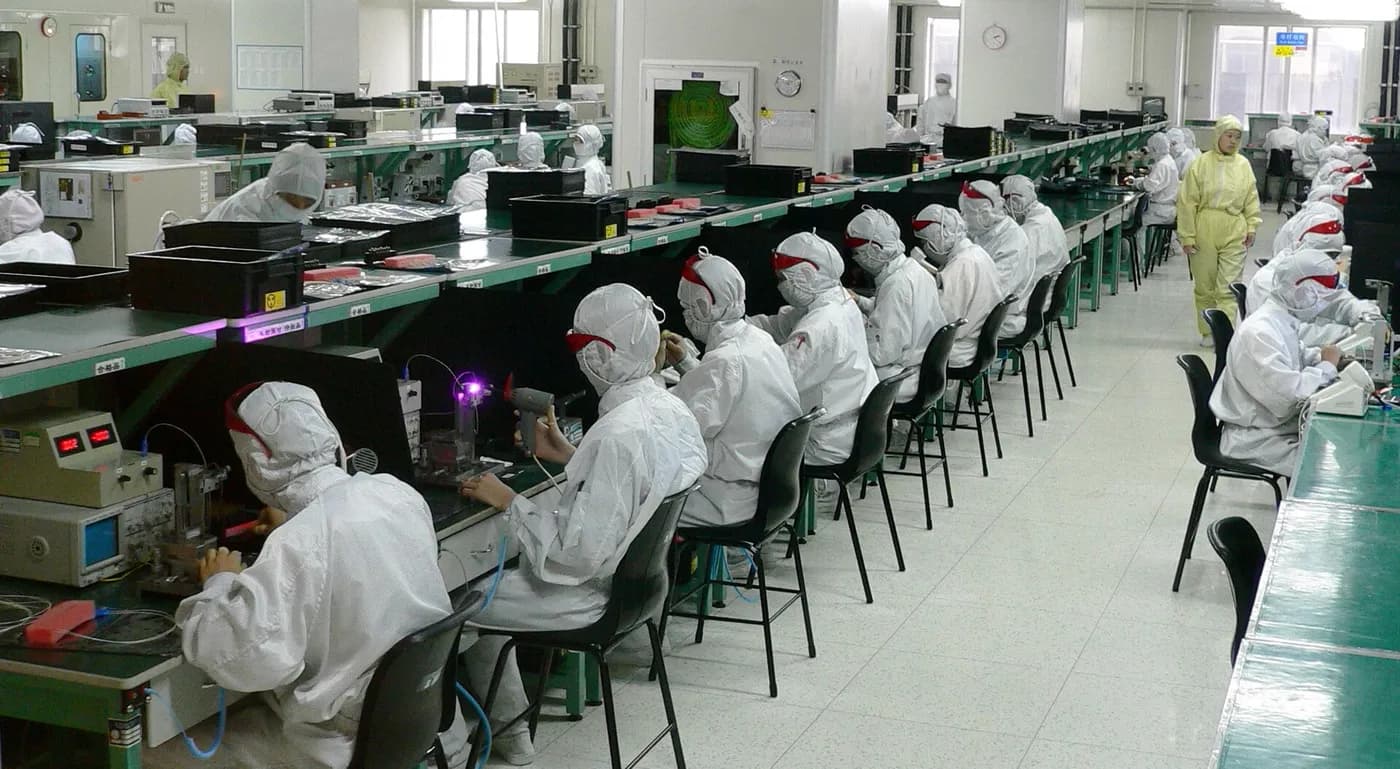
The longest list in this review is the list of agreements. The biggest was signed on October 6: an 88.3 billion CFA franc deal, about $150 million, between the ministry, the World Council for Investment and Business in Africa (CMIA) and India’s Blue Cloud Softech Solutions. It is meant to fund “Senegal Digital Factory”, the New Deal’s eighth programme, starting with an assembly complex for computers, smartphones and tablets in Diamniadio, due to open in December 2026.
The ambitions are large: 100,000 computers, 1.2 million smartphones and 600,000 tablets, with 200 start-ups involved. The economic case holds up, since the country imports about 419 billion CFA francs of IT and electronic equipment a year, according to the ministry. But the nature of the commitment is unclear. Le Soleil speaks of financing “secured”, other outlets of a memorandum of understanding. Neither the source of the money, nor each partner’s share, nor any state guarantee has been made public.
« Making our own computers and devices in Senegal is no longer an impossible dream. »
Boubacar Roger Thiam, director of the digital economy and partnerships at the ministry, in June 2026 (translated from French)
In June, the same official announced a target of 200,000 jobs in five years for the Digital Factory, more than the direct-jobs target set for the whole New Deal by 2034. Gaps like this between documents do not invalidate the project, but they show that the numbers travel faster than the methods behind them.
Another recent signature: the memorandum of understanding concluded on September 30 with Finnish equipment maker Nokia, covering network resilience, cybersecurity, digital public services and training. It contains no amount and no list of projects: each initiative will need its own implementation agreement. Such deals have their uses, they open doors. They simply should not be counted as achievements.
The laws, the most advanced front
The least visible part of the New Deal is probably the most complete: the legislation. On August 20, 2026, the National Assembly passed law no. 25/2026 on the protection of critical information infrastructure by 127 votes to none. It creates a National Cybersecurity Authority and a national CERT to coordinate the response to attacks, and requires operators of vital systems to report incidents. The vote followed a string of attacks on the tax authority in October 2025, the identity card service in February 2026 and the Treasury in May.
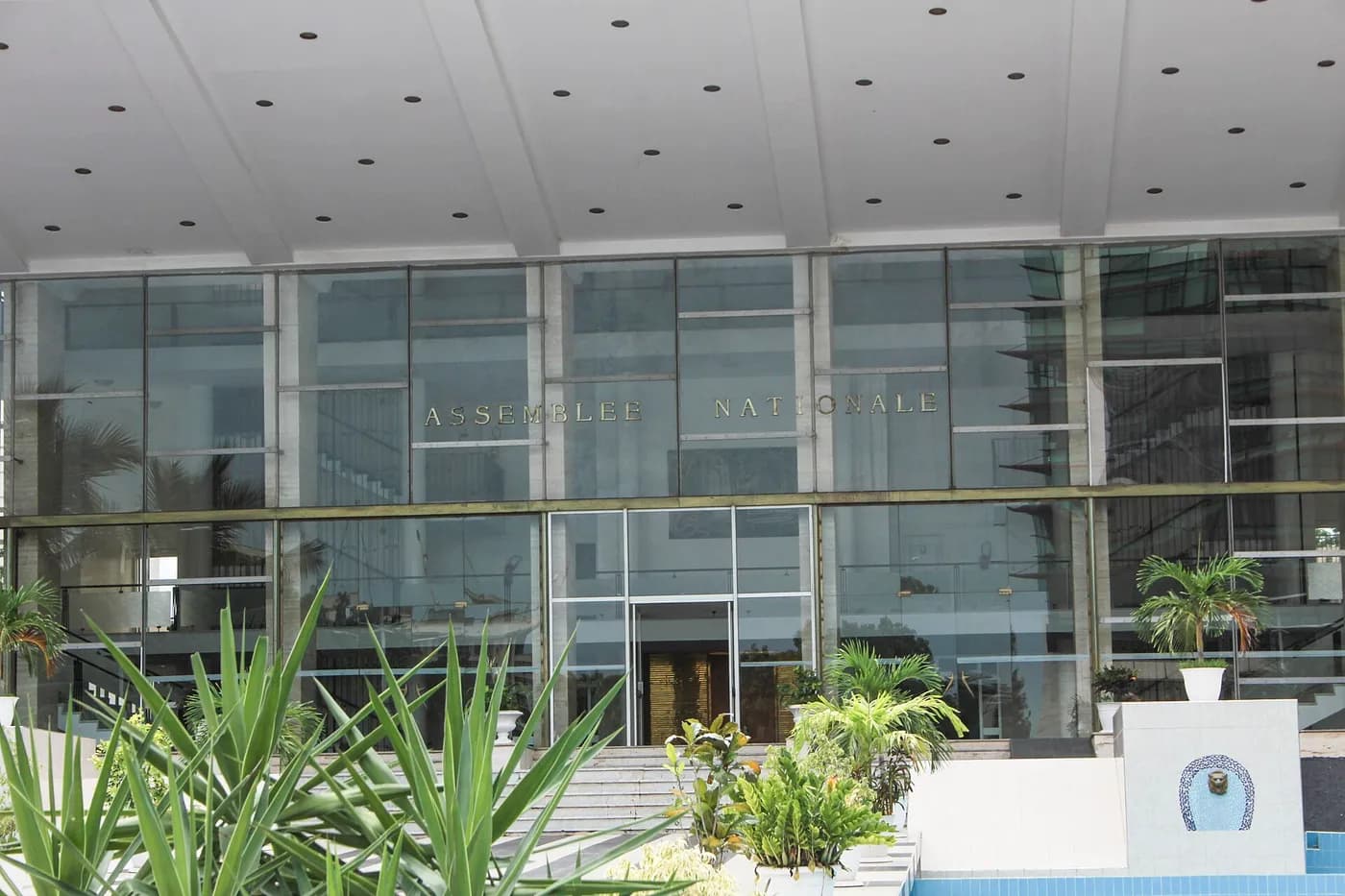
As of early October, however, no implementing decree and no head of the new authority had been announced, and many practical rules, including those on data hosting, depend on them. The new Labour Code, in force since September 18, regulates remote working for the first time in Senegal.
The regulator also has a new boss. By decree on September 10, 2026, the president appointed Cheikh Tidiane Sarr as director general of the Telecommunications and Posts Regulatory Authority (ARTP), after an open call for applications, a procedure still rare for such posts. He succeeds Dahirou Thiam. The new director general comes from the Sonatel group, where he ran strategy and transformation. He inherits a regulator at the heart of the dispute between his former employer and Starlink, and says he wants to move it towards regulation based on data and real-time measurement of service quality.
The money: 81 billion for 2026
To gauge the real effort, the state budget is the only binding document. On December 4, 2025, the National Assembly voted the 2026 budget of the Ministry of Communication, Telecommunications and Digital Affairs: 85.15 billion CFA francs in commitment authorisations and 81.06 billion in payment appropriations. That is well above the 58.4 billion of 2025.
2026 budget of the digital ministry, by programme (payment appropriations)
In billion CFA francs. Source: 2026 Finance Act, figures reported by Léral (via Osiris) and Le Soleil (via AllAfrica)
The “digital governance and sovereignty” programme, which covers the cloud, government networks and cybersecurity, gets the most: 33.8 billion in payment appropriations and nearly 38 billion in commitment authorisations, more than 35 billion of it for investment, according to the finance committee report cited by Africa Radio. The digital economy gets 20.5 billion. The postal service, in the middle of a restructuring, takes 12.6 billion, mostly in transfers.
Set against the ambition, these sums are modest. The New Deal’s 1.105 trillion works out at an average of 110 billion a year for ten years. The ministry carries only part of that, since other ministries, state companies such as SENUM SA and private partners are expected to fund their share. But, as far as we know, no public document tracks all the spending committed under the New Deal since February 2025. Without that consolidated account, there is no way to tell whether the plan is being funded on schedule.
The fiscal backdrop does not help. The 2026 Finance Act asks operators Sonatel and Expresso for an extra 50 billion CFA francs in fees, and the state is looking for new revenue in the digital sector. The same companies are being asked to fund networks, pay more to the Treasury and accept new competition. That tension runs through the whole Starlink affair.
Digital identity, the missing piece
The New Deal calls for a single biometric digital identity, from which identifiers for health, education, justice or tax would be derived. It is the foundation without which “Once Only” stays partial: for one department to retrieve information already given to another, both have to recognise the same person. Nineteen months after the launch, no roll-out timetable for this identity has been made public.
Some are worried. In a note to the president in February 2026, republished by the Osiris observatory, Seydou Bocoum, who holds a doctorate in digital economics from Cheikh Anta Diop University, points out that existing tools, such as the NINEA business identifier and the ECOWAS biometric identity card, “are not integrated into a single architecture”. He draws a blunt warning from it.
« Launching online services without solving identity and addressing creates lasting technical debt. »
Seydou Bocoum, doctor in digital economics (UCAD), in a note to the president, February 2026 (translated from French)
The criticism hits home on one point: by starting with online counters rather than identity, the state gets visible results faster, but it may have to redo part of the work later. The government is making the opposite bet: show people that digital services are useful to them, and build the demand that will justify the next steps.
What it changes for ordinary Senegalese
For someone living in Dakar or Thiès, the most concrete change is e-Sénégal: a few procedures, including the criminal record certificate, can now be started from a phone. For the diaspora, e-Consulat should make it possible to apply for a passport or consular card without spending hours in a queue. Ousmane Sonko picked his examples in March: a young graduate in Malem-Hodar registering with the youth employment agency from his phone, a woman in Podor gaining access to social protection, a Senegalese abroad renewing his papers.

Payments are the other area where daily life could change. On September 10, Telecommunications and Digital Affairs Minister Samba Diouf, who replaced Alioune Sall in June, met Wave’s teams to route more public payments through mobile money, in transport, health and at the Treasury. Agreements between the Treasury and e-money operators already exist; the challenge is to extend them to the counters people actually use.
For people far from fibre, the record is thin. Internet access remains expensive for many households, as the Front Against the High Cost of Connection (F4C), a users’ group that opposed Starlink’s suspension, points out. And anyone who bought a Starlink dish in 2026 still has no official word on whether their service will last.
Halfway there on method

It would be unfair to judge a ten-year plan after nineteen months. The administrative foundations, data sharing, a single portal, a legal framework for cybersecurity, are precisely what “Senegal Digital 2025” lacked. Putting the prime minister’s office in charge of digital coordination across government, through GouvNum, also answers the criticism of silos that Ousmane Sonko himself voiced.
But the New Deal has got into the habit of counting signatures as progress and targets as results. The figures that would allow it to be judged, procedures completed online, certified start-ups, people connected, money spent, are not published. The monitoring platform exists; its data stays internal. The coming months will bring clear tests, with dates.
- October 31 to November 13: the Dakar Youth Olympic Games, the first full-scale test of the national cloud built with Alibaba Cloud.
- December 2026: the announced opening of the Diamniadio assembly complex and, above all, the names of the investors financing it.
- End of 2026: the target of a million people connected for free, and the real count.
- December 2026: the ministry’s 2027 budget, which will show whether the 2026 effort is sustained.
- Date still unknown: the Supreme Court’s ruling on the merits of Sonatel’s challenge to Starlink.
- The implementing decrees of the cybersecurity law and the appointment of the head of the National Cybersecurity Authority.
- The first official count of start-ups certified under the Startup Act.
In February 2027, the New Deal will turn two. The March 2026 review could still get away with a list of platforms opened. The next one will be read against usage figures, or their absence.
- Le New Deal technologique, Primature du Sénégal.
- Le New Deal Technologique, Vie publique Sénégal.
- Sénégal : le New Deal technologique évalué à 1 105 milliards FCFA, Sika Finance.
- New Deal technologique : Ousmane Sonko tient son bilan, Pulse Sénégal.
- New Deal technologique : Ousmane Sonko lance sept nouveaux projets structurants, Osiris (APS).
- Senegal secures ITU support for $1.96 billion tech strategy, Agence Ecofin.
- Senegal receives national cloud infrastructure for Dakar 2026 Youth Olympic Games, TechReview Africa.
- Budget 2026 : une enveloppe de 81 milliards FCFA dédiée au ministère de la Communication, Osiris (Léral).
- Sénégal : un budget 2026 de 85,1 milliards FCFA pour accélérer la transformation numérique, Africa Radio.
- New Deal technologique : le Sénégal décroche un financement de 88 milliards de FCFA, Le Soleil (AllAfrica).
- Le Mali et le Sénégal interconnectent leurs réseaux de fibre optique, Afrique IT News.
- Note au président de la République : le New Deal technologique ne peut réussir…, Osiris.
Spotted an error? Write to infos@novotech.blog. Corrections are flagged at the end of the article.