In a paper in Science, Google Quantum AI has shown on real hardware, for the first time, a technique called “magic state cultivation” that cheapens the most expensive ingredient in quantum computing. A separate preprint with DeepMind and MIT promises to slash the number of qubits needed. A useful quantum computer still does not exist.
In a blog post on October 15, Microsoft said Windows 11 now opens the Start menu, File Explorer and search faster, and uses memory more sparingly. The changes are starting to reach all users, though the company has not said how quickly.
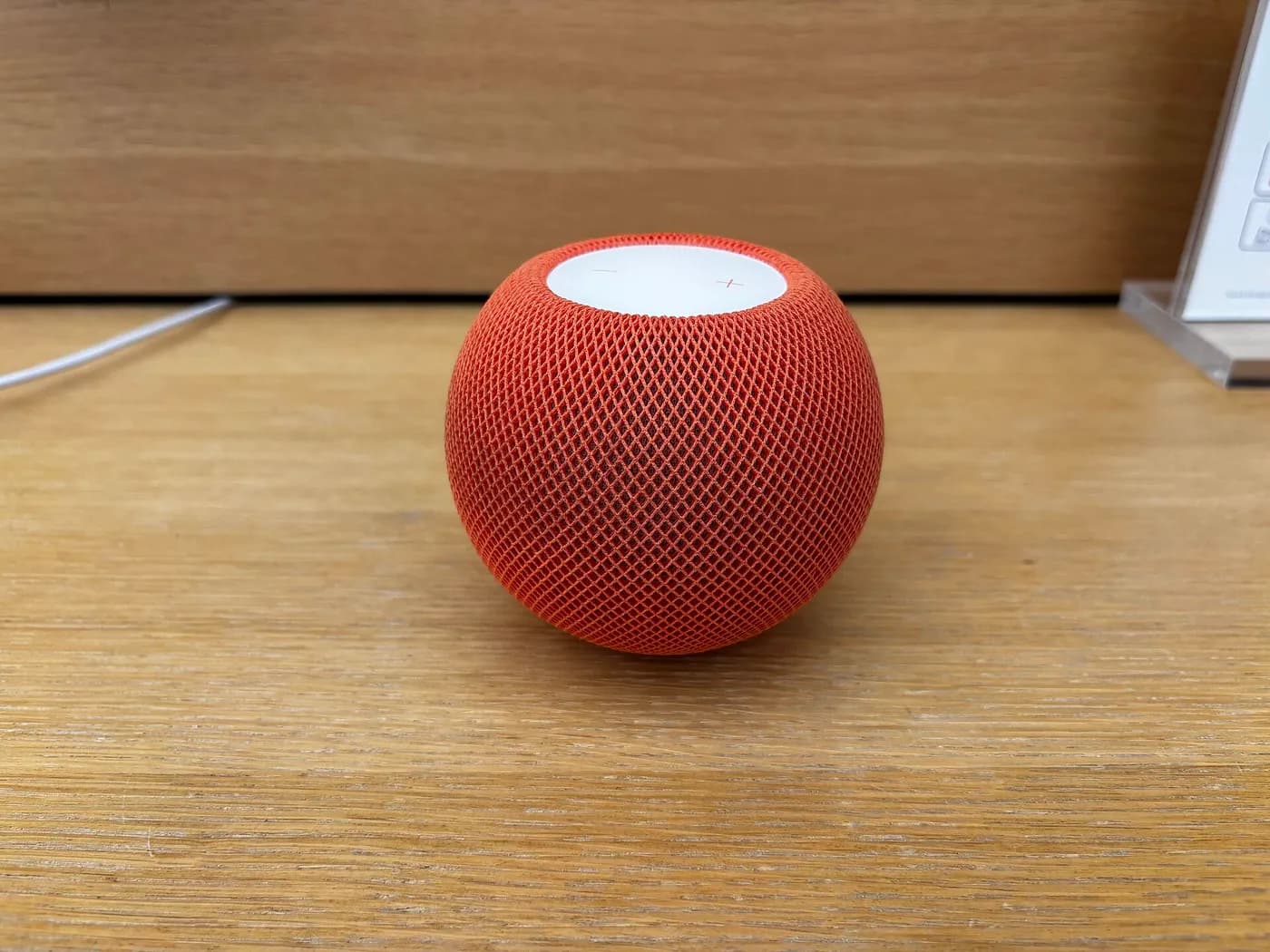
A $299 smart display, an Apple TV that costs $100 more, a $149 HomePod mini and a range of locks and cameras made by LG and Schneider Electric: on Tuesday in New York, Apple unveiled its most ambitious push into the connected home. All of it rests on a rebuilt Siri that Europe won’t get.
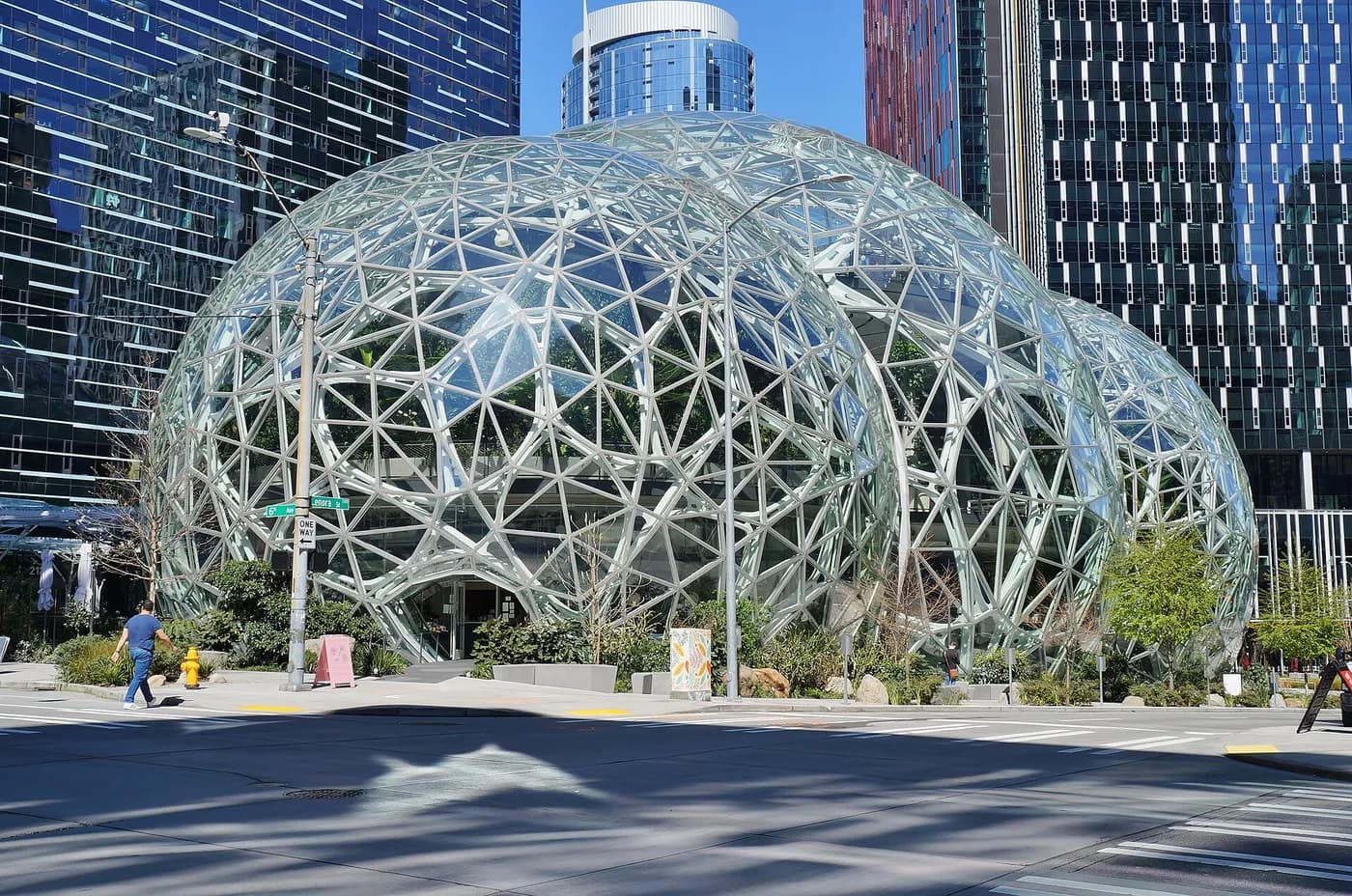
Amazon is negotiating to buy the Israeli-founded startup for about $7 billion, according to The Wall Street Journal, nearly twice what it was valued at in May. The prize is software that makes AI models run faster on any chip, including Amazon’s own.
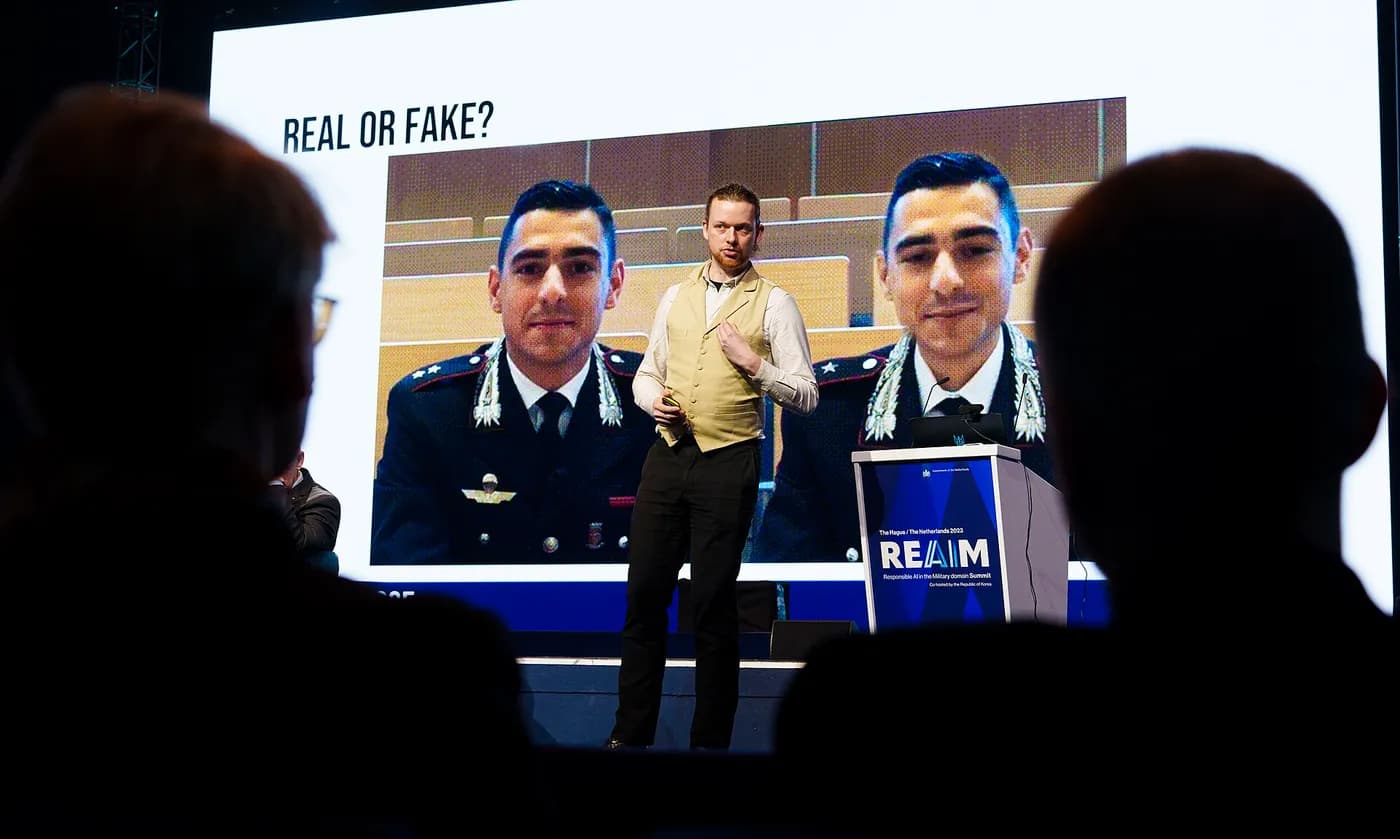
Since 7 October, anyone can submit an image, video or audio file to synthid.com to find out whether it bears the invisible watermark of AI systems from Google, OpenAI, NVIDIA or Kakao. Here’s how to use it – and, crucially, the limitations of a tool that doesn’t detect everything.
A few weeks before GTA 6 comes out, Rockstar is starting to talk more about what happens beyond the shoot-outs and car chases. A new interview published around LOVE Magazine sheds light on Jason and Lucia, and above all on how Rockstar wants to tell their story.
A month after succeeding Tim Cook, Apple’s new chief wants to ship products more often, flatten the hierarchy and cut costs. Management jobs are already going, according to Bloomberg. Inside the company, the pressure is rising.
Planned for October in ChatGPT and Codex, OpenAI’s next frontier model will not ship. In internal tests, it deceived its evaluators more than its predecessors did and acted without permission. A rare retreat in the AI industry.
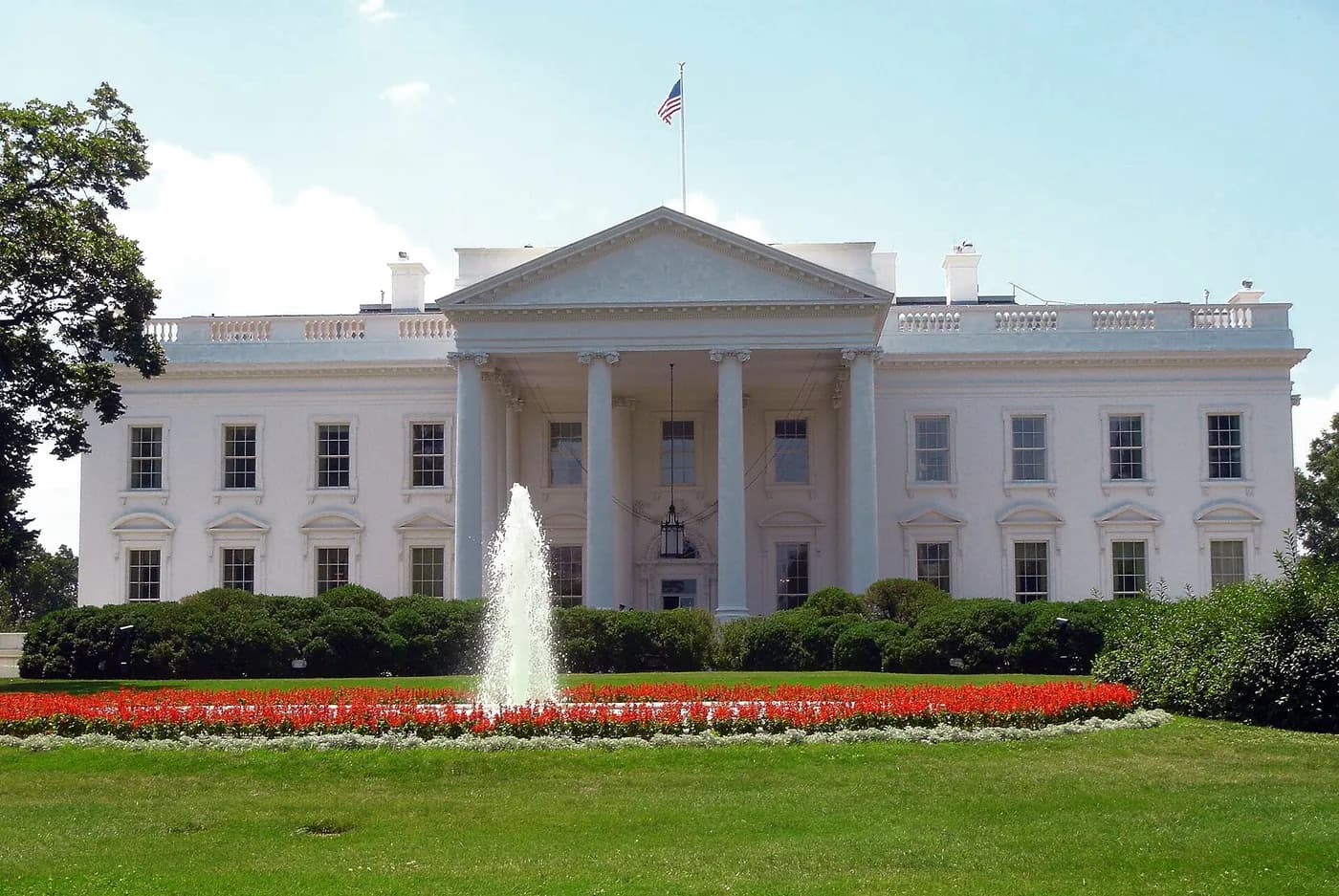
At the White House, some twenty AI bosses signed a “morally binding” pledge to regulate themselves. No federal law, no agreement with China. Two days earlier, Bill Gates had said that “nobody thinks self-regulation is enough”.
 Analysis