For the first time, the central bank of eight West African countries is inviting banks, financial institutions and fintechs to test their products under its supervision. Who can apply, how, and what is still unclear.
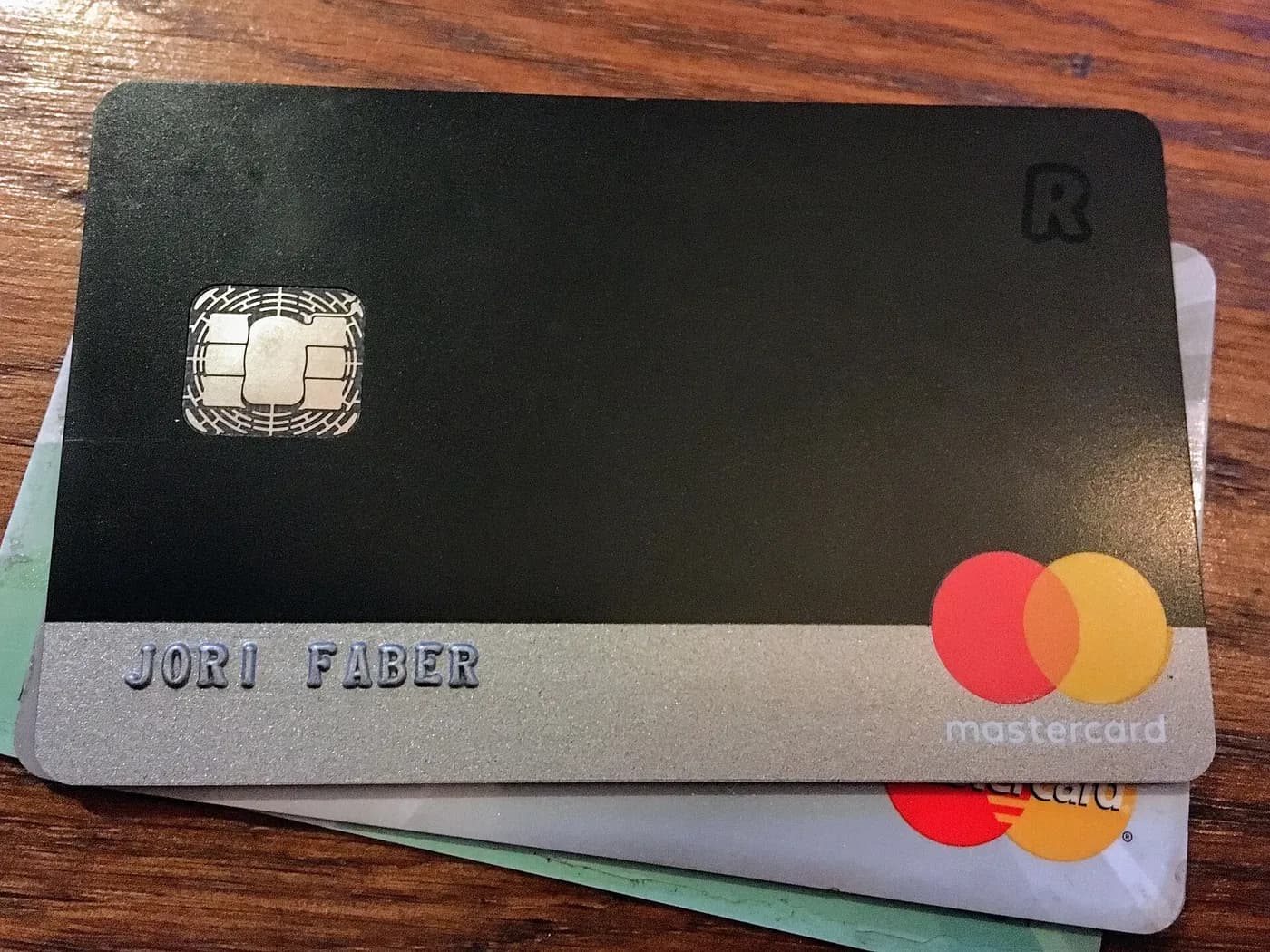
In three London cafés, Revolut customers can pay without a card or phone, just by looking at the terminal’s camera. A showcase for the neobank’s strategy of controlling the entire payment chain.
The trackers disagree, the trend does not: the money came back earlier than in 2024, driven by a few very large rounds. Behind the record figure, the number of start-ups funded and of active investors is falling.
Luno buys Kenya’s GTXN, Yellow Card raises $40 million, Onafriq settles in USDC across more than 40 countries. Dollar-backed cryptocurrencies are becoming payment infrastructure, while regulators are still writing the rules.
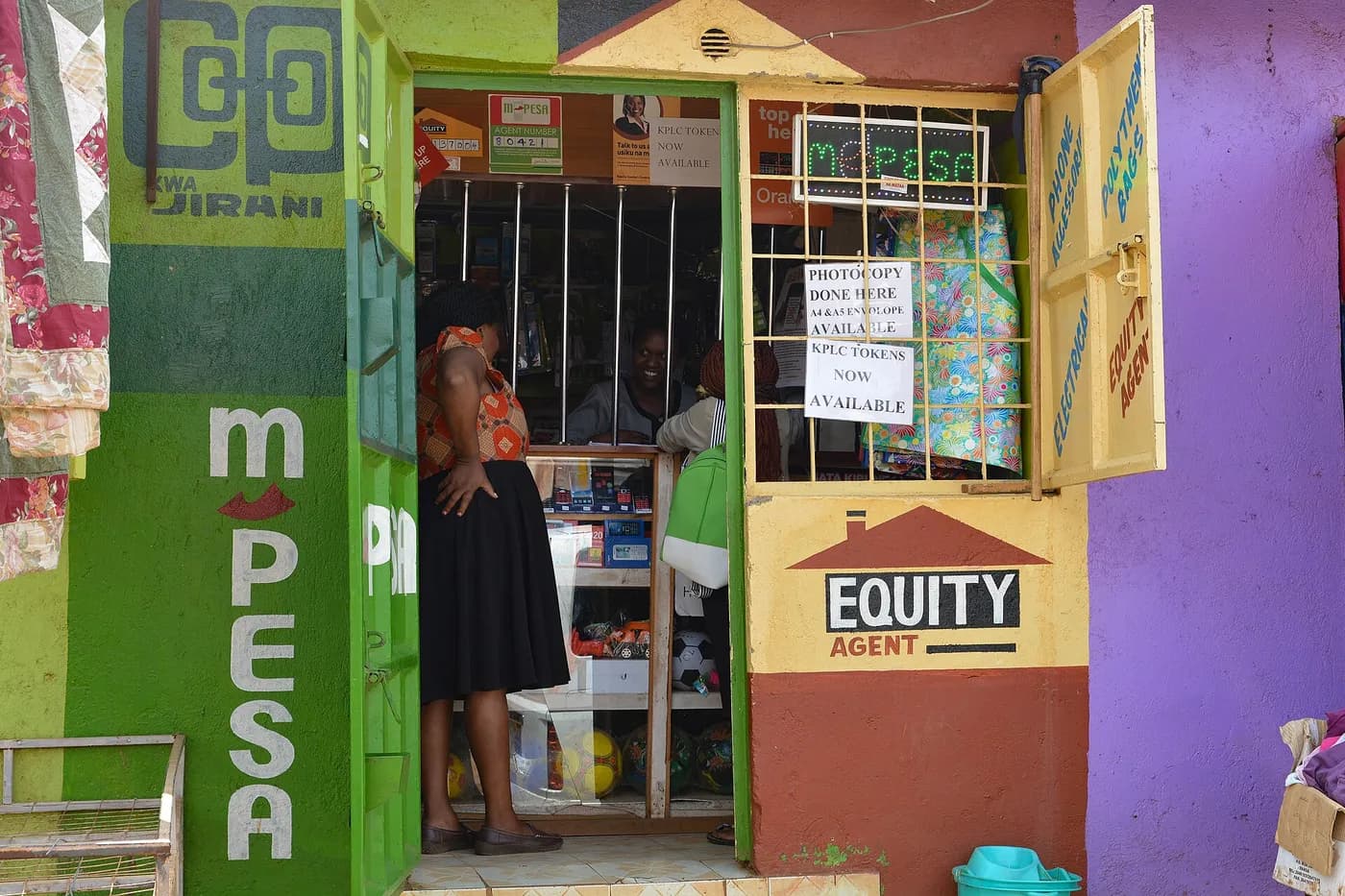
Three billion transactions, some twenty countries, around fifty connected operators: the company that links merchants to mobile wallets has been authorised by the Central Bank of Kenya, the continent’s most mature market.
Savings at 7%, investments of up to 16%, loans from 500 to one million shillings, chamas and accounts at other banks in one app, accessible with just an ID card. Absa Kenya wants to win over a generation that no longer walks into branches.
Moniepoint is distributing the Dangote refinery’s IPO through its network of payment terminals, in all 774 local government areas of the country. Subscriptions start at 10 shares.
The Bank of Algeria has authorised the subsidiary Djezzy Payment Services to set up as a payment service provider. A first for a telecom operator in the country, made possible by the 2023 banking law. The final licence has yet to be obtained.