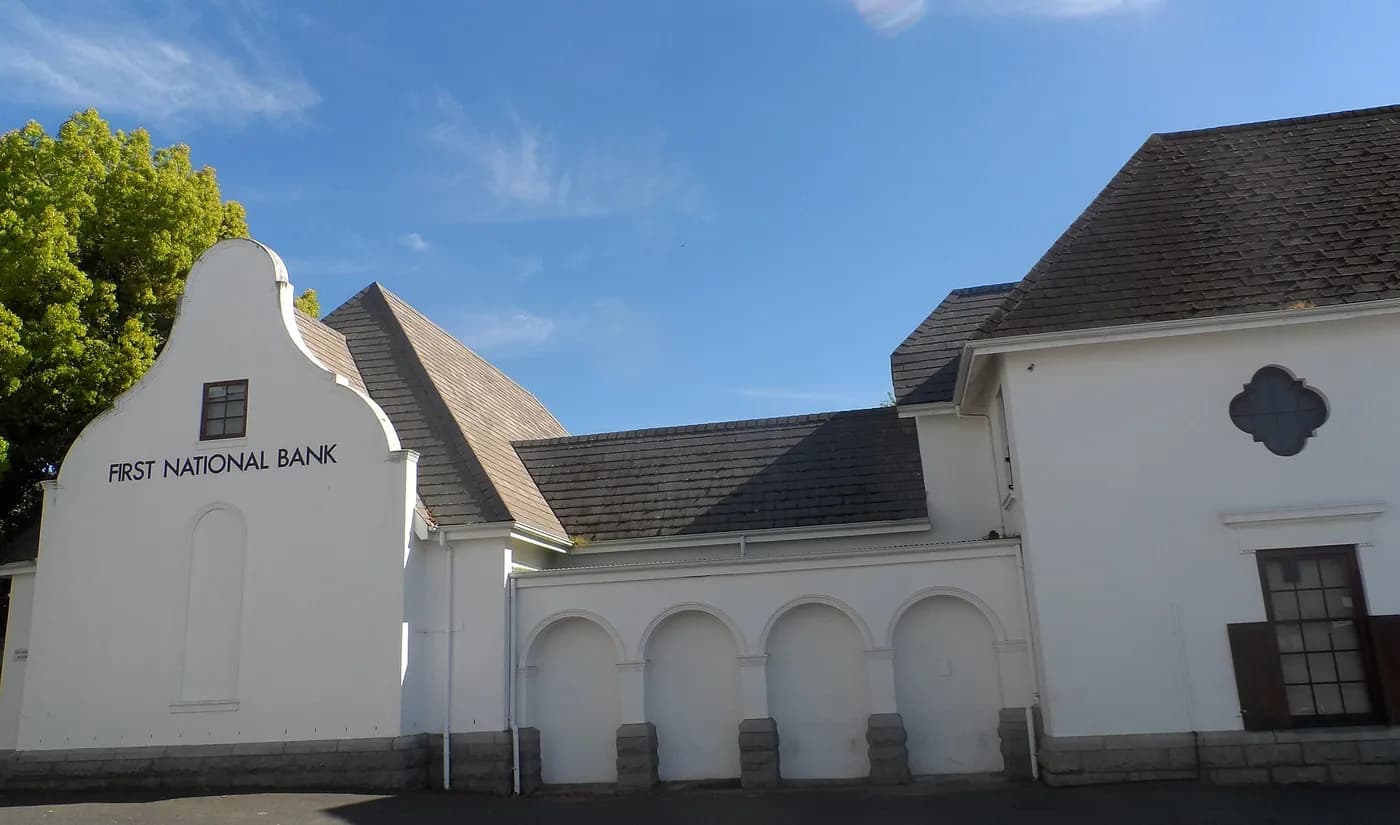
Since 6 October, First National Bank customers have been able to buy and sell five cryptocurrencies from as little as 10 rand via their app. It’s a simple, regulated entry point, but with a significant catch: you cannot withdraw your coins from the platform.
Luno buys Kenya’s GTXN, Yellow Card raises $40 million, Onafriq settles in USDC across more than 40 countries. Dollar-backed cryptocurrencies are becoming payment infrastructure, while regulators are still writing the rules.
Hackers spent three weeks inside a system that IT provider MIP was in the process of retiring. About 400,000 records stolen, a ransom paid, and data published anyway. Regulators point out that insurers remain responsible.
Cheaper, open, available: Chinese AI models such as Qwen are winning over African developers, while American venture capital pulls back. A leading investor sees a huge vacuum left by the United States.
By reanalysing 96 hours of observations, South African and British astronomers have detected the faint signal of neutral hydrogen, a route to mapping matter on a large scale.
Six organisations hit in one month, and a worrying statistic: nearly one in two South African ransomware victims lacked adequate protection, according to Sophos’s annual survey.
The branchless South African bank, launched in 2021, has been profitable since August. Its “bank for others” model brings it half a million customers from money transfer specialist Mukuru.
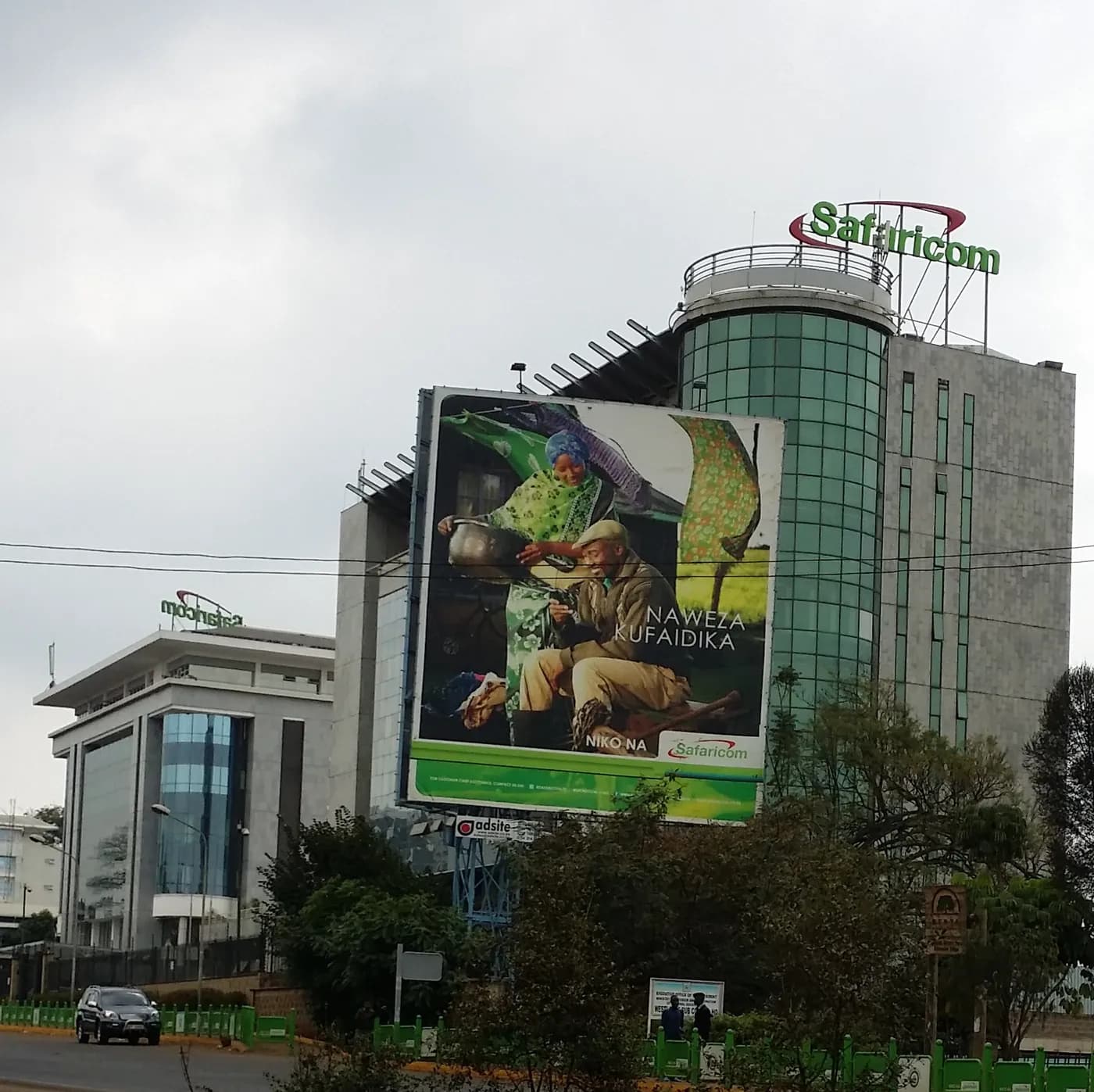
The High Court declared unconstitutional the sale of 15% of Safaricom to Vodacom, which gave it control of the company. Documents withheld from the public, a disguised merger, no security assessment: the judges went through everything. The government and Vodacom are appealing.