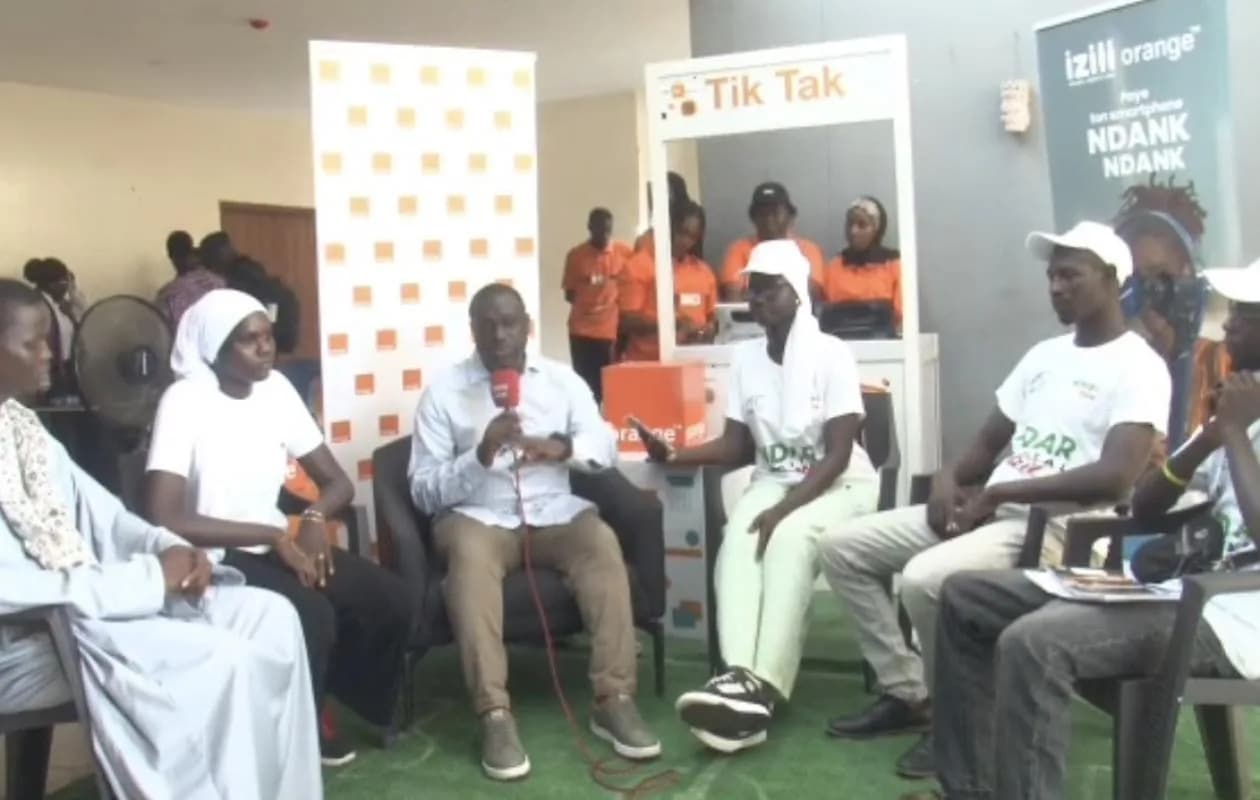
Safaricom: Kenya’s High Court voids the sale to Vodacom, an earthquake for the M-Pesa giant
The High Court declared unconstitutional the sale of 15% of Safaricom to Vodacom, which gave it control of the company. Documents withheld from the public, a disguised merger, no security assessment: the judges went through everything. The government and Vodacom are appealing.
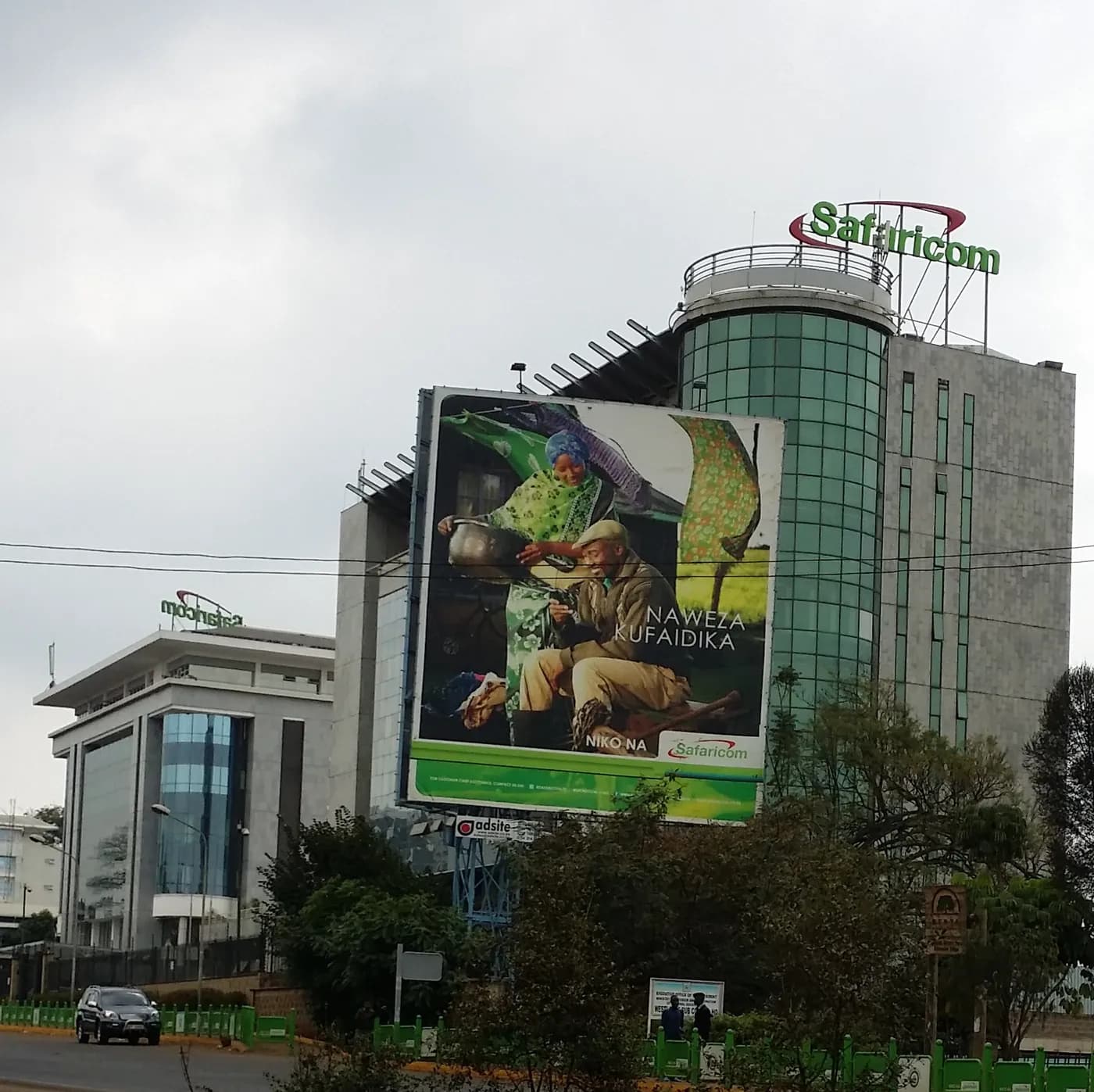
- Kenya’s High Court voided the sale of 15% of Safaricom to Vodacom on 15 September and ordered the shares returned to the government.
- The deal took Vodacom from 40% to 55%: a takeover dressed up as a partial sale, according to the judges.
- Documents withheld during public consultation, no national security assessment and no competition approval.
- The government received nearly $1.9 billion, already committed; the government and Vodacom are appealing.
It is the most important economic court ruling of the year in Kenya. On 15 September 2026, a three-judge bench of the High Court declared the government’s sale of 15% of Safaricom to South Africa’s Vodacom unconstitutional, illegal, null and void. It ordered the shares to be returned to the government.
Safaricom is no ordinary company. The country’s leading mobile operator and the company behind M-Pesa, the mobile payment service that is part of daily life for tens of millions of Kenyans, it is the largest listed company in East Africa. The question of who controls it goes to the heart of the country’s economic sovereignty.
A sale that changed everything
On paper, the deal looked like a partial sale. The government, which held 35% of Safaricom, sold 15% to Vodacom, just over 6 billion shares at 34 shillings each, for 204.3 billion shillings, about $1.58 billion. It also received an advance of 40.2 billion shillings, about $311 million, on future dividends from its remaining 20%. In total, 244.5 billion shillings, nearly $1.9 billion.
But Vodacom already held 40% of Safaricom. With the extra 15%, the South African group, itself controlled by Britain’s Vodafone, went to 55% and took a majority. Enough to consolidate Safaricom’s accounts into its own and to appoint its next chief executive. It is this shift that the judges examined closely.
Safaricom’s shareholding, before and after the voided sale
Source: High Court judgment, Kenyan press
What the judges found
Justices Francis Gikonyo, Roselyne Aburili and Tabitha Ouya found several violations. The first concerns public participation, mandatory in Kenya for this kind of transaction. According to the judgment, the government withheld key documents, including the share sale agreement and the structure of the dividend advance. A consultation held without these documents is, in the Court’s view, merely a cosmetic formality.
« Concealing or withholding key information and documents during public participation violates the constitutional requirements of transparency and invalidates the resulting decisions, because it reduces public participation to a cosmetic formality. »
High Court of Kenya, judgment of 15 September 2026 (paraphrased)
The second finding is weightier still: the deal was presented as a partial sale when it was in fact, according to the Court, an undeclared merger or acquisition, since it handed control of strategic infrastructure to a foreign group. The judges also noted the absence of a national security assessment of this transfer of control, the absence of approval from the Competition Authority, and irregularities in the hiring of the transaction advisers.
On security, the Court used a phrase that will be remembered: even with regulatory safeguards, nothing guarantees that foreign influence will not be exercised over governance, the security of individuals and data. For a company that handles the communications and payments of most Kenyans, the argument carries great weight.
An eventful procedure
The challenge was brought in early 2026 by several petitioners, including legal scholar Fredrick Ogola, lawyer Tony Gachoka and Wiper party leader Kalonzo Musyoka. The High Court had frozen the deal on 18 May. The Court of Appeal lifted the freeze on 26 June, and the share transfer was completed on 30 June, before the case had even been decided on its merits. The 15 September ruling therefore concerns a sale already completed, whose proceeds have already been spent.
The money already spent
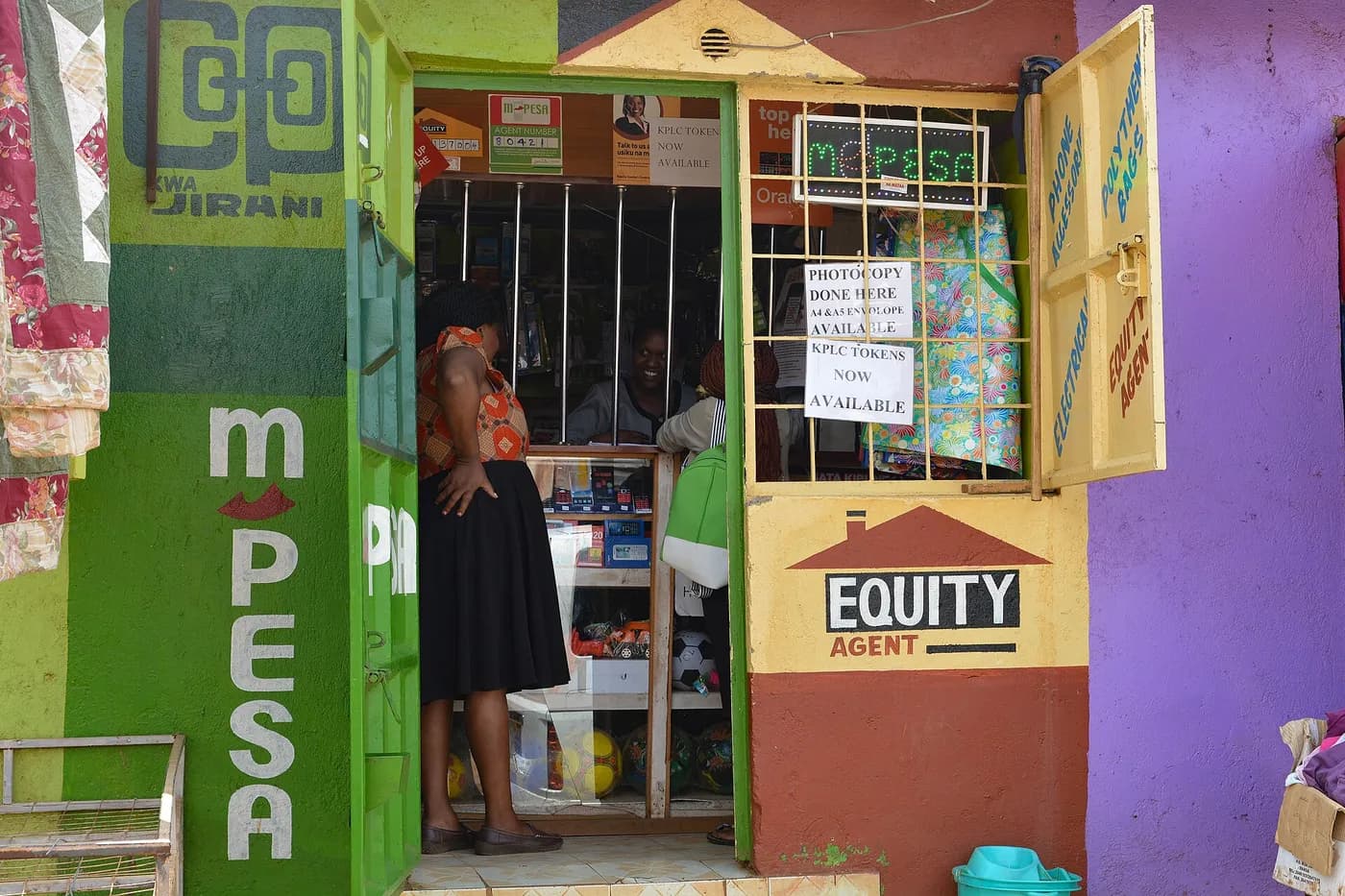
The proceeds of the sale were paid into the National Infrastructure Fund, created on 9 March 2026, which had already begun committing its investments. If the ruling became final, the government would have to repay about $1.9 billion to Vodacom, a considerable sum for strained public finances. This is one of the arguments put forward by the Treasury, whose Cabinet Secretary John Mbadi said he was confident in the legality of the process and its consistency with the country’s budgetary realities.
Vodacom filed an appeal and an application to stay the judgment as early as 16 September. Its share price fell 4% on the Johannesburg Stock Exchange. In Nairobi, by contrast, Safaricom’s shares rose 2.2% to 36.50 shillings, above the sale price of 34 shillings, a sign that the market considered that price low. Safaricom said its operations were not affected and that it was studying the judgment.
What the appeal will decide
The Court of Appeal will first have to decide whether the judgment takes effect immediately or is stayed pending the proceedings. No hearing date had been set at the time of the ruling. On the merits, it will have to say whether the transparency requirements set by the High Court really apply at this level of detail, and whether the change of control should have been treated as a merger.
The stakes go beyond Safaricom. The judgment lays down rules that would apply to all future privatisations: publication of transaction documents before public consultation, a mandatory national security assessment before any transfer of control of infrastructure to a foreign group, and the impossibility for a parliamentary vote alone to cure failures of transparency or competition law. Several planned sales, such as those of the Kenya Pipeline Company, the Kenya Seed Company or the Kenyatta International Convention Centre, could be affected.
A question of digital sovereignty
Beyond the law, the case raises a political question that many African countries are asking: how far should foreign groups be allowed to control essential digital and financial infrastructure? Mobile operators handle communications, a growing share of payments and huge amounts of personal data. In Kenya, a considerable share of the economy flows through M-Pesa every day.
The history of Safaricom’s shareholding explains why the issue is so sensitive. The company grew out of the former state operator Telkom Kenya, with Vodafone as technical partner and shareholder. Its listing in Nairobi in 2008 remains one of the largest in the continent’s history, with hundreds of thousands of Kenyan retail investors. The Vodafone group’s stake was later transferred to its South African subsidiary Vodacom. For almost twenty years, the balance rested on the Kenyan government as anchor shareholder, alongside a minority industrial partner. It is this balance that the sale overturned.
Vodacom is no newcomer: the group has been a Safaricom shareholder since its creation and contributed to its success. The Court does not say its presence is illegitimate. It says that the move to majority control should have been presented as such, assessed as such and debated with full transparency. Whatever the outcome of the appeal, this demand for clarity is likely to shape future negotiations between African states and foreign digital investors.
- Safaricom Deal Voided: Kenya Court Found M-Pesa Control Was Hidden From Parliament, Tech Times.
- Kenyan court cancels Vodacom’s $2.1bn takeover of Safaricom, BusinessDay.
- High Court nullifies Government’s Ksh. 204B Safaricom stake sale to Vodacom, HapaKenya.
- Vodacom, Kenya to appeal court ruling voiding Safaricom sale, Connecting Africa.
Spotted an error? Write to infos@novotech.blog. Corrections are flagged at the end of the article.