Bank accounts, mobile money, digital payments: in three years Nigeria has beaten its financial inclusion target. Yet according to EFInA’s 2026 survey, only 11.9 million adults borrow from a bank or a fintech, and many of them do so just to get through the month.
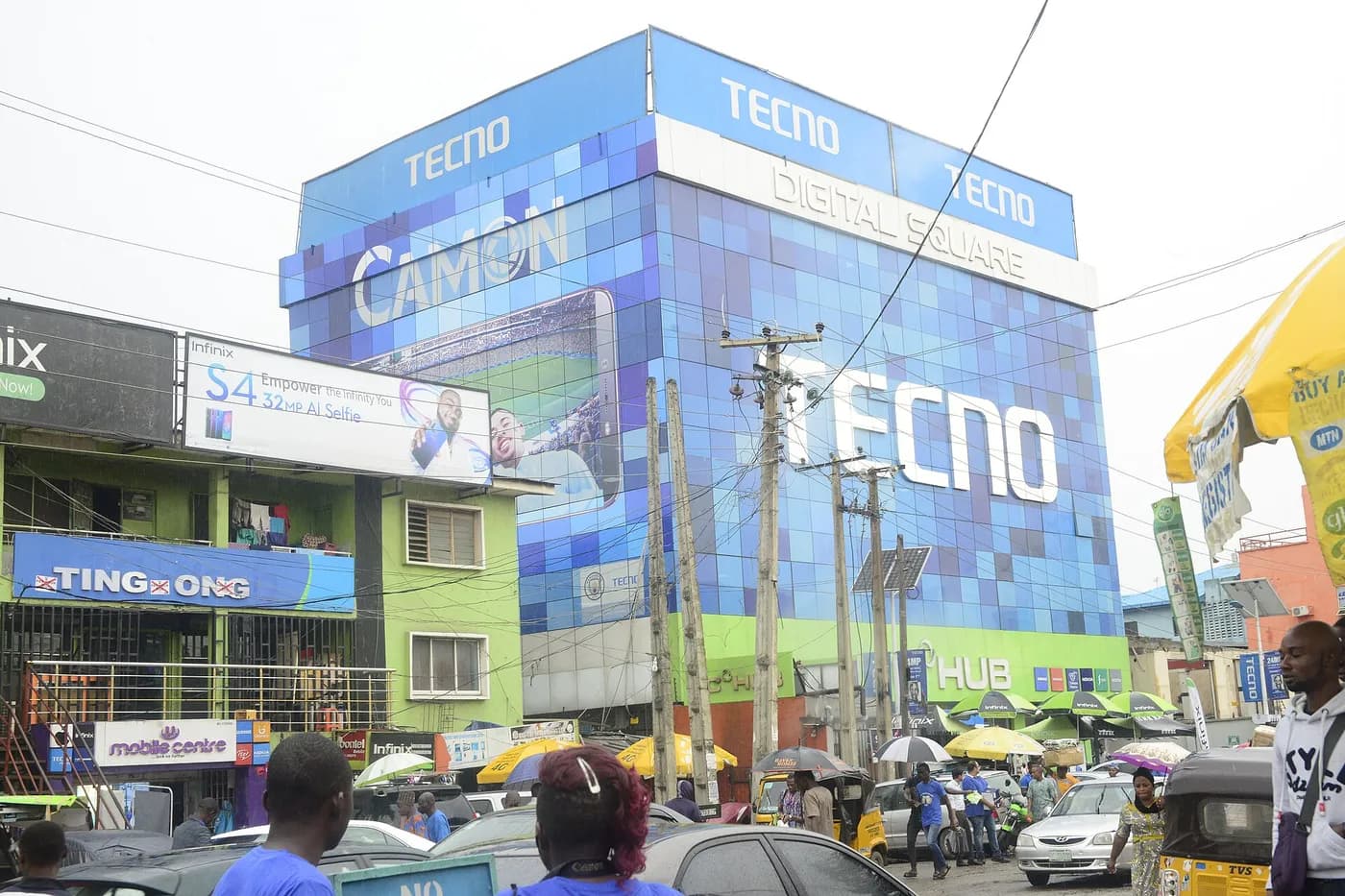
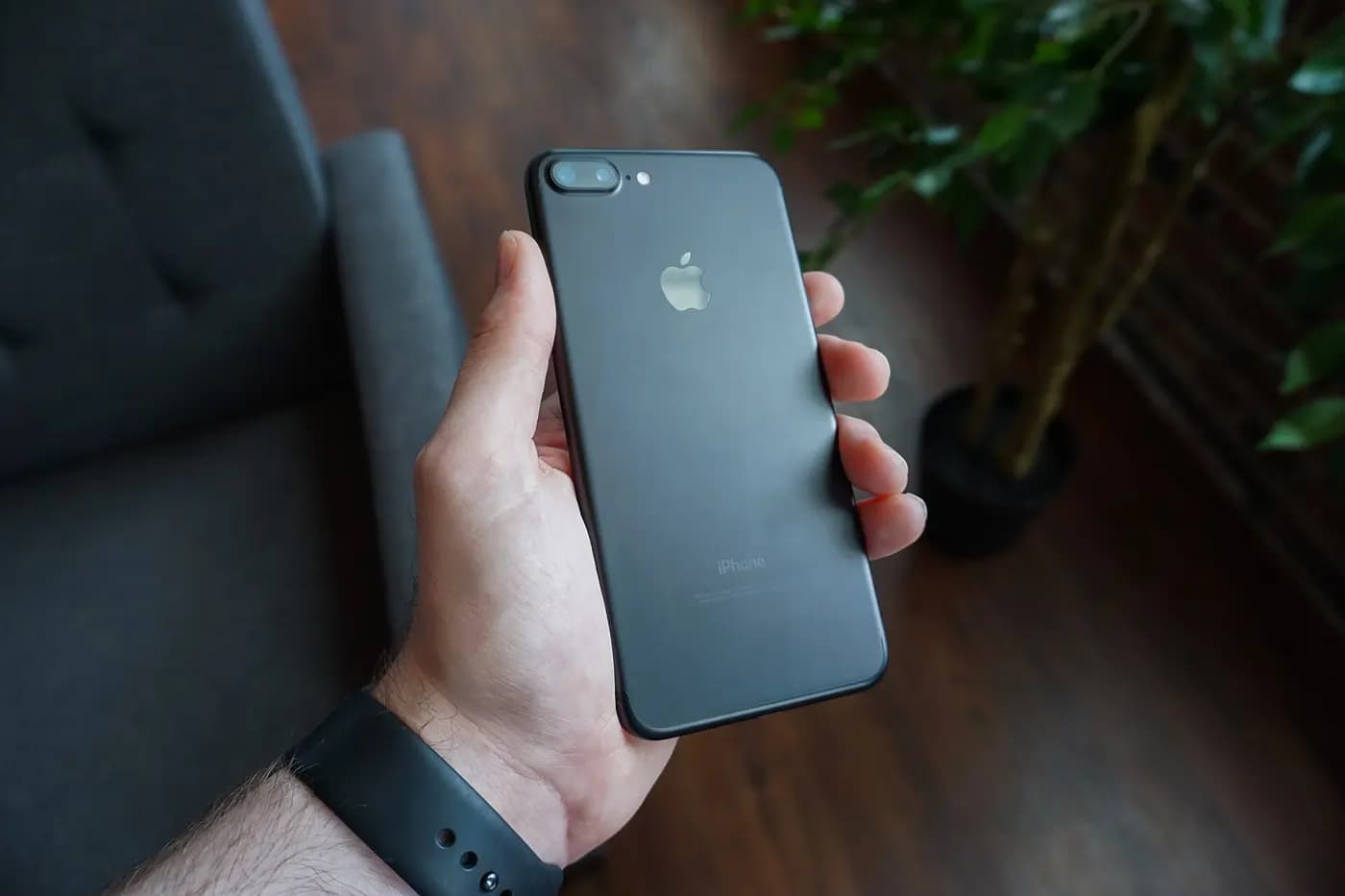
Ndubuisi Ekekwe, a Nigerian engineer who once helped design sensors for the first iPhones, is launching a closed, encrypted phone linked to his future stock exchange. A niche product in a market where more than 60% of phones sell for under $150.
South African startup Vambo AI trained MORENA, a model covering twelve African languages, on a supercomputer lent free of charge. The hardest part was finding text. A lesson for the whole ecosystem.
A Lagos court rejected the idea that non-users whose numbers sit in someone’s phonebook give “implied consent”. For lack of proof of harm, the case was nonetheless dismissed. Truecaller points out that anyone can remove their number.
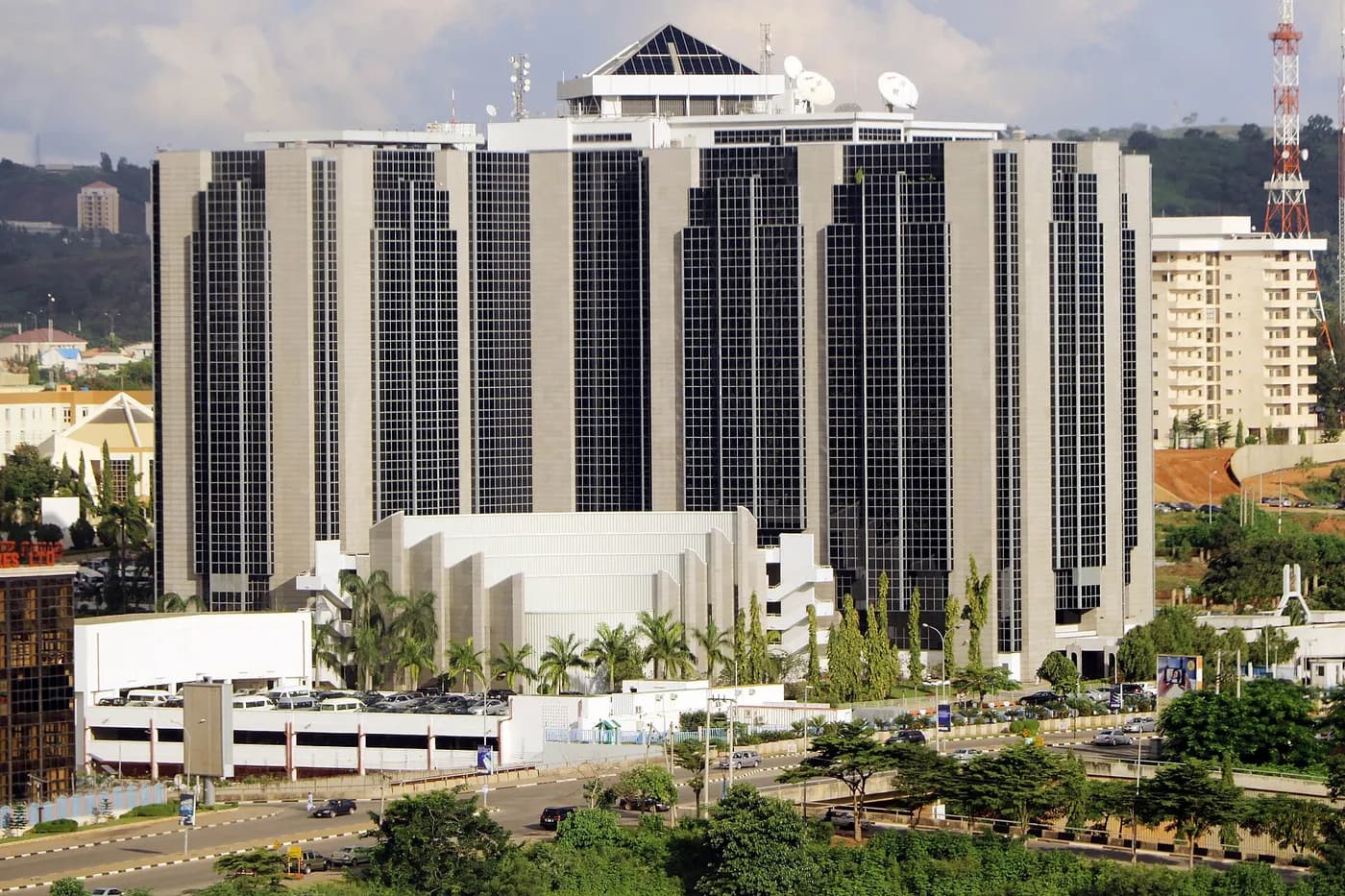
The CBN has cut its policy rate by 3.5 points to 23%, its biggest cut on record. Yet ten years of data show that rates explain only a small part of lending to small businesses, which remains marginal.
180 mini-grids, 146,000 households connected: the electrification programme has shown that decentralised solar works. But the naira’s devaluation sent costs soaring, and a new $300 million fund must prove that private investment can be attracted.
The trackers disagree, the trend does not: the money came back earlier than in 2024, driven by a few very large rounds. Behind the record figure, the number of start-ups funded and of active investors is falling.
H-1B visa issuances fell by 52% in five months. State Department data shows that no other route has taken over. For Africa, visas have been halved, and those granted to Nigerians have collapsed.
Luno buys Kenya’s GTXN, Yellow Card raises $40 million, Onafriq settles in USDC across more than 40 countries. Dollar-backed cryptocurrencies are becoming payment infrastructure, while regulators are still writing the rules.
 Analysis