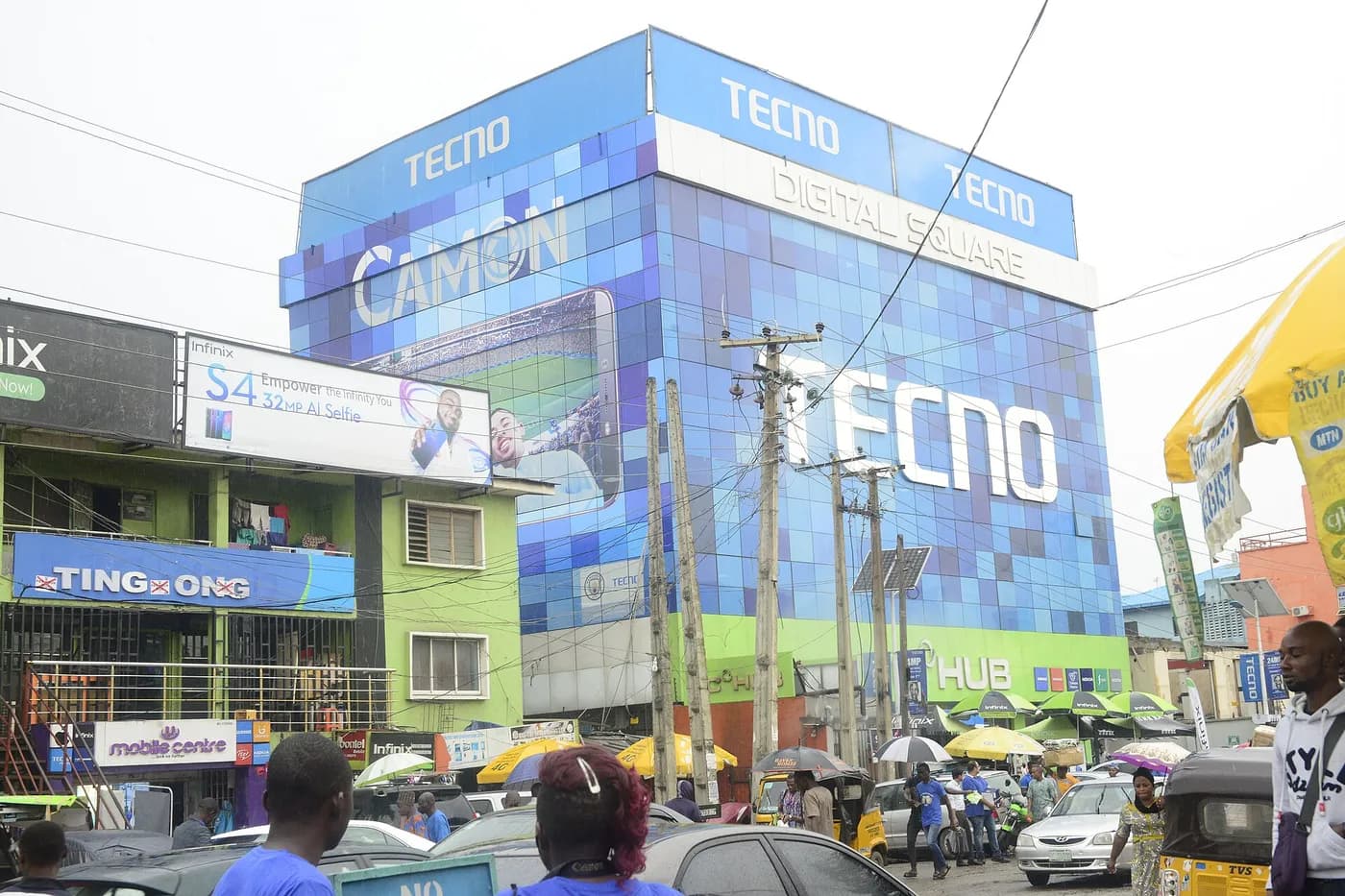
The figure made the rounds in the media: Nigerians supposedly spent ₦6.98 trillion on mobile data in the first half. Operators’ accounts show less than half that. And behind the spending lies an invisible tax: that of a network that keeps breaking.
The data centre race has sent memory prices soaring. In an entry-level phone, memory now accounts for nearly half of the components. The GSMA warns: internet access for the poorest is under threat.
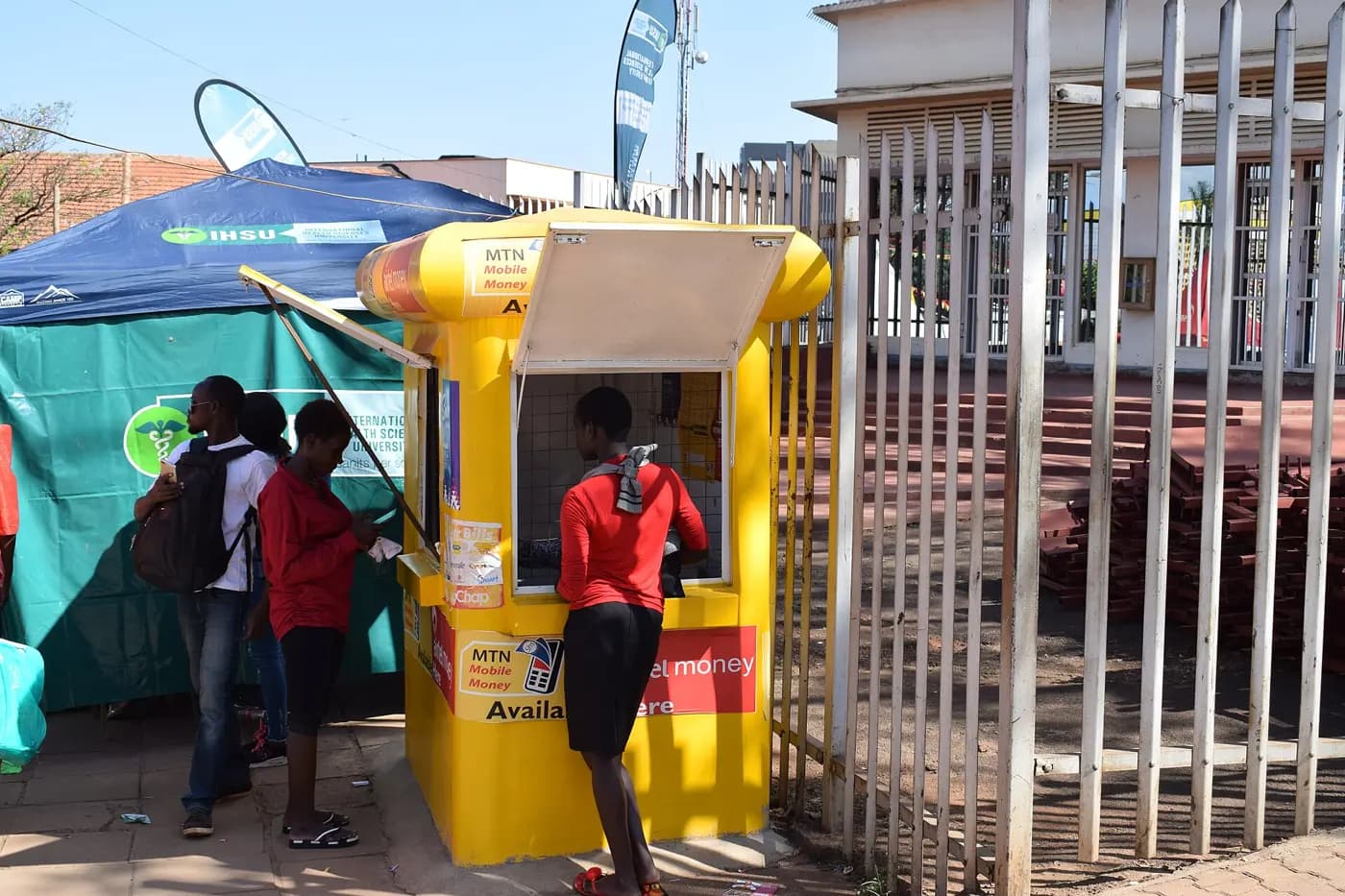
Moniepoint is distributing the Dangote refinery’s IPO through its network of payment terminals, in all 774 local government areas of the country. Subscriptions start at 10 shares.
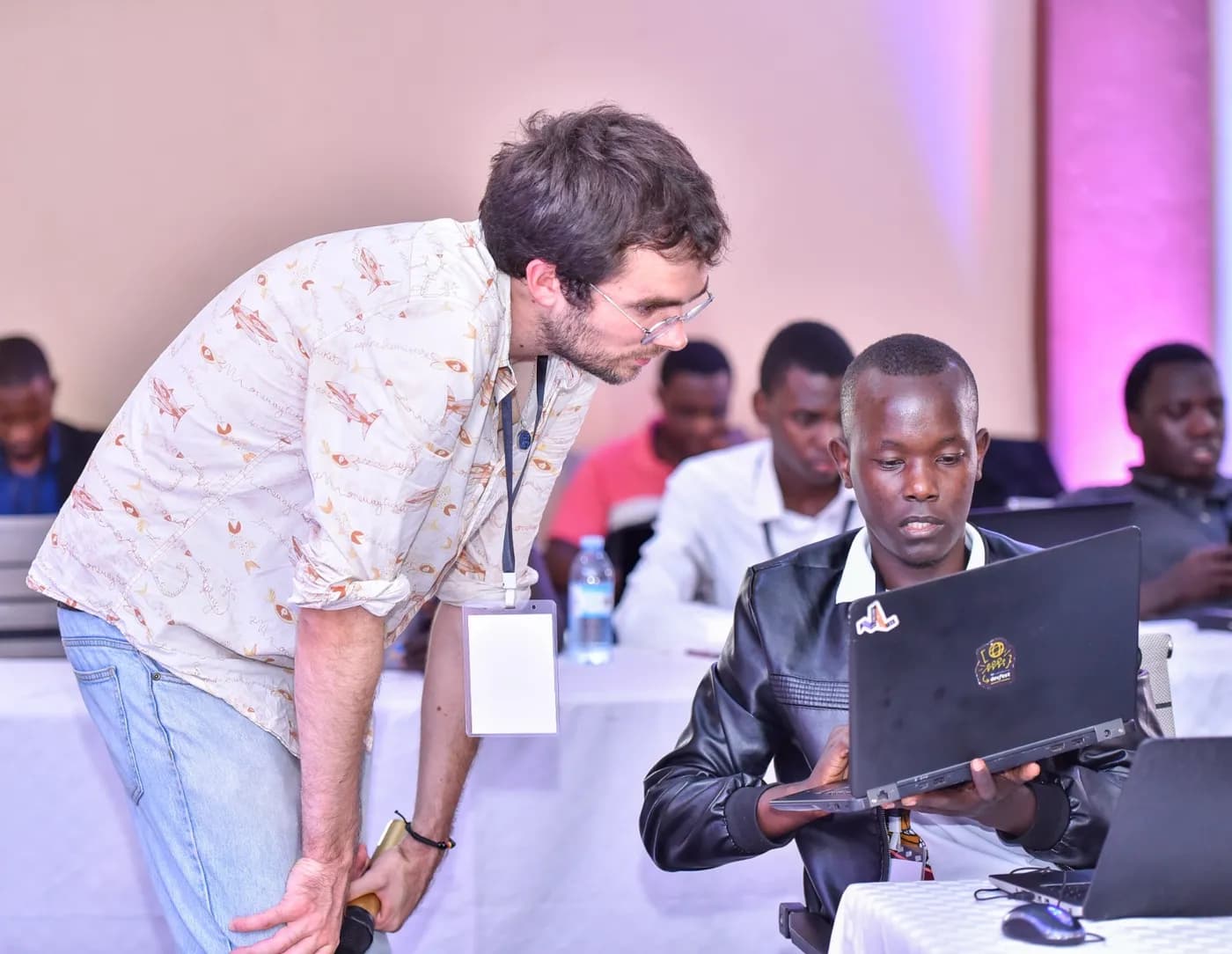
Cheaper, open, available: Chinese AI models such as Qwen are winning over African developers, while American venture capital pulls back. A leading investor sees a huge vacuum left by the United States.
VAT rates applied automatically, withholding tax, invoices sent to the tax authority: the Indian software maker is launching a Nigerian edition of Zoho Books, from ₦4,320 a month.
A text message announces a traffic offence, a fake FRSC website offers a reduced fine, and the security code sent by the bank is immediately used for a purchase abroad. Anatomy of a scam that changes address every day.
The Dangote refinery is raising ₦2.15 trillion on the Lagos stock exchange. A small share of subscriptions goes through tokens on the Solana and Base blockchains. Public data shows a modest success, and legal questions that remain open.
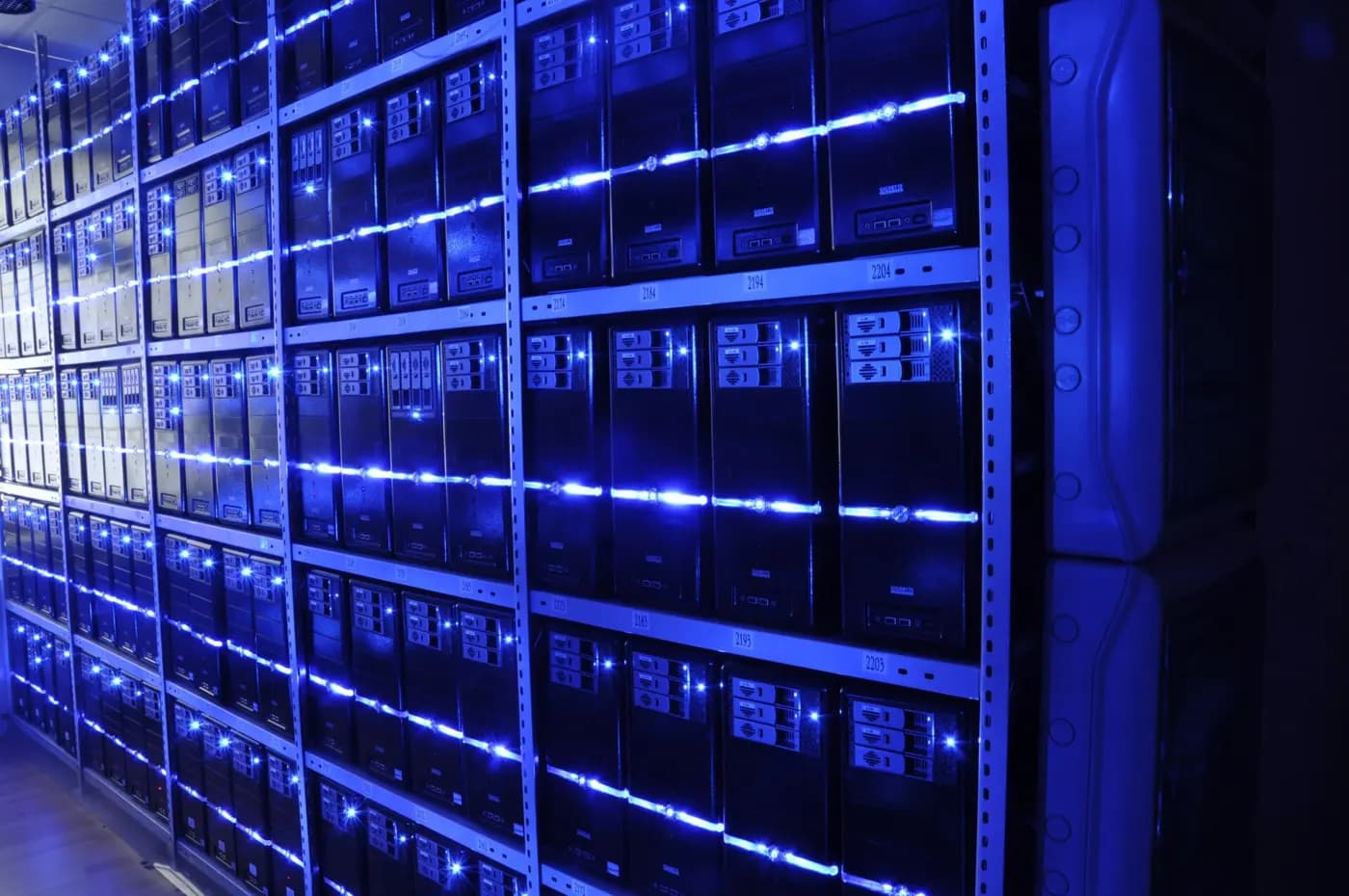
The South African data centre specialist is moving into West Africa with Nigeria Data Centre 1, a carrier-neutral site designed for finance, cloud and AI.
Banking, agriculture, customer service, local languages: AI is already at work in the continent’s companies. But between the announcements and the results, the gap remains wide. Figures, concrete examples and obstacles: our Dossier-Tek on what is really changing, and what is still holding things back.
The ride-hailing service, which arrived in Lagos in 2014, stopped operating in both countries on 2 September. It remains in South Africa, Egypt, Ghana and Kenya.
About $1.4 billion raised in the first half of 2026, as a year earlier, but in 146 rounds against 252. The money is concentrating on a few established companies, and acquisitions are doubling.
 Analysis