SORAM Afrique raises $1.36 million to give office printers a second life
The Dakar-based refurbisher of professional printers has secured $1.36 million from Saviu Ventures and its own managers. It is a first for this Francophone Africa-focused fund, which is backing an industrial business rather than an app, with Côte d’Ivoire next in its sights.
Why it mattersA refurbished printer costs less than a new one and stays out of the dump: for SMEs, schools and government offices, that means more affordable equipment, and for investors, proof that an industrial SME can raise money.
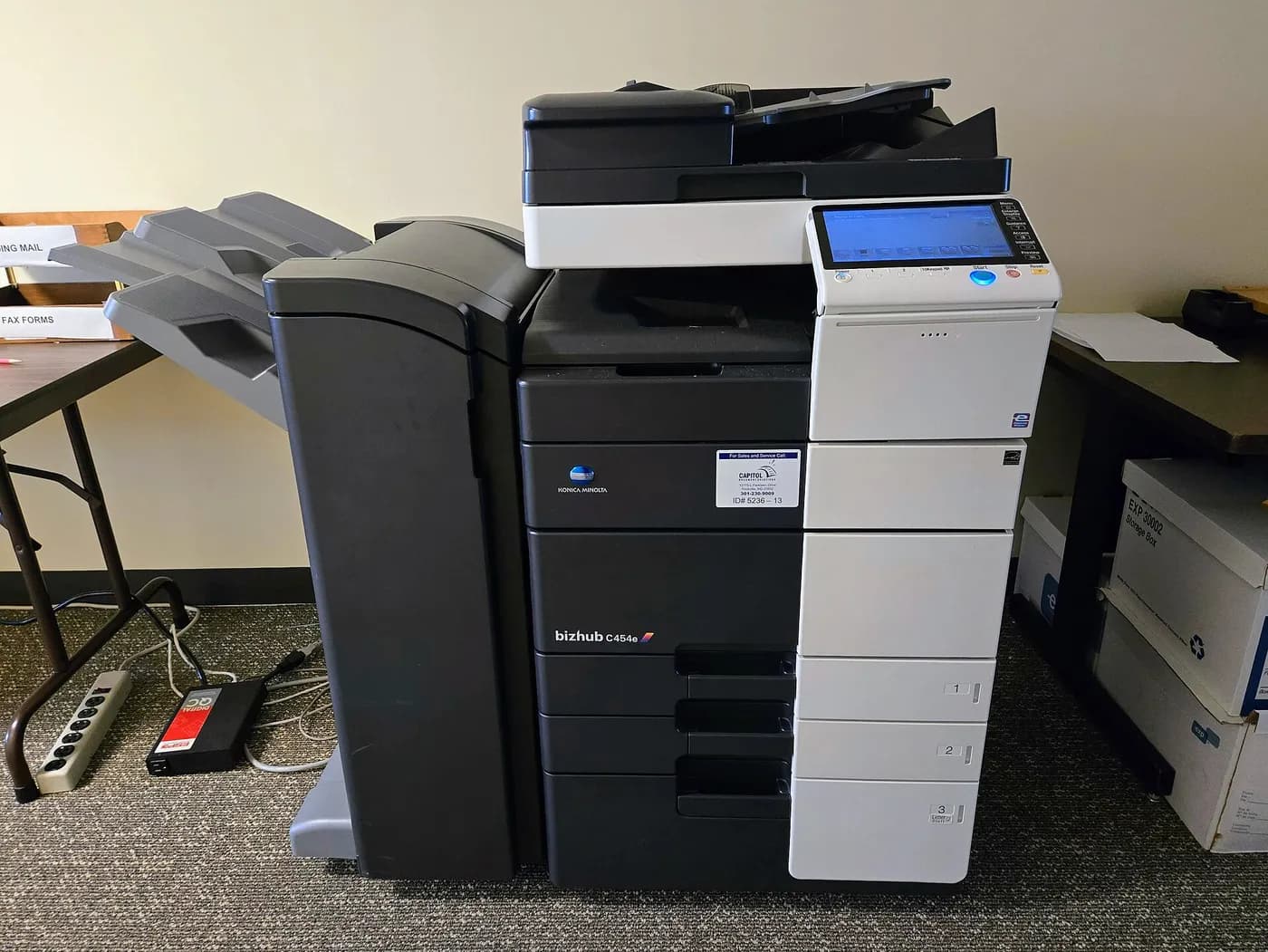
- SORAM Afrique, a Dakar company that refurbishes professional printers, has raised $1.36 million (about €1.2 million) from Saviu Ventures and its management team.
- It claims more than 1,000 customers and about 4,000 machines placed in Senegal, The Gambia and Guinea; its group, OLU 360, has 60 staff and FCFA 1.3 billion in revenue.
- The money will fund expansion across West Africa, starting with Côte d’Ivoire.
- It is the first climate investment by Saviu II, a Francophone Africa-focused fund that has already raised €25 million and says it is betting on industry as much as on software.
- In Africa, less than 1% of e-waste is formally collected and recycled: extending the life of machines is a direct answer.
No app, no algorithm, no platform: Senegal’s latest funding round is about copiers. SORAM Afrique, a company based in Dakar for more than ten years, says it has raised $1.36 million, or about €1.2 million, to finance its growth in West Africa.
The money comes from Saviu Ventures, an investor with offices in Paris and Nairobi, through its second fund, Saviu II. SORAM’s management team also chipped in, a signal investors like: the people who know the company best are willing to put their own money on the line. The size of each contribution and the stake sold have not been disclosed.
The deal was announced on 5 October 2026 and picked up by several outlets covering African start-ups. It is a first for Saviu as well: its first investment classed as “climate tech”, meaning a technology that reduces the environmental footprint of an activity.
A simple business: buy back, repair, redeploy
Founded and run by Florian Baudoin, SORAM Afrique does not sell new machines. Its business is buying professional printers and copiers that have reached the end of their contracts, mostly Konica Minolta, Kyocera and Canon models, restoring them in its workshops, then installing them for customers who could not necessarily afford new equipment.
« We buy fleets of machines destined for destruction all over the world, and we refurbish them (our translation). »
Florian Baudoin, head of SORAM Afrique, quoted by TechAfrika
According to TechAfrika, the company brings in around ten containers a year and puts about 250 machines back into service over the same period. Since it started, it claims more than 1,000 customers and about 4,000 machines placed in three countries: Senegal, The Gambia and Guinea.
Its customer base is broad: small and medium-sized businesses, large companies, government departments, schools and training institutions. For all of them, printing remains a daily matter, from invoices to school reports and administrative files.
The service does not stop at delivery. SORAM describes a five-step process: an audit of the customer’s needs, an equipment recommendation, installation, user training, then ongoing follow-up to adjust the fleet over time. It is this follow-up, more than the sale of a machine, that keeps customers loyal and brings in regular revenue.
OLU 360, a group aiming to grow across West Africa
SORAM no longer goes it alone. It is now part of OLU 360, a holding company that brings together three businesses described as complementary: SORAM Afrique, IRIS Afrique and SIS. Together they employ 60 people, generate FCFA 1.3 billion in revenue, or about €2 million, and currently manage more than 2,000 machines.
This is the group the money is meant to grow. It already operates in The Gambia and Guinea and is now targeting Côte d’Ivoire, the largest economy in the West African Economic and Monetary Union. The choice makes sense: Abidjan is home to a large number of corporate headquarters, banks and government offices, and therefore of offices that print.
The timing of this launch and the number of planned hires have not been specified. Opening a new country requires trained technicians, a stock of spare parts and short response times: in this business, a printer down at a customer’s office means a customer starting to have doubts.
Why a tech fund is betting on printers
Saviu Ventures usually invests in digital start-ups that sell their services to other businesses. Its first fund, launched in 2018 with €10 million, backed twelve young companies, 72% of them active in Francophone Africa, according to Agence Ecofin.
The second, Saviu II, raised €12 million at the end of 2023, then €25 million in early 2025, with Proparco, Triple Jump and AXIAN coming on board. On 27 February 2026, the African Development Bank added €6.5 million, including €2 million as a first-loss tranche on behalf of the European Commission under the Boost Africa programme. The final target lies between €30 million and €50 million.
The fund plans to back around twenty companies, from seed to Series A, with tickets of €500,000 to €3 million, and to devote at least 60% of its capital to Francophone markets, including Senegal. The cheque written to SORAM therefore sits at the lower end of that range.
The fund owns the message. In Saviu’s view, Africa’s future category leaders “will not only be built in software”, and it says it is betting on strong local operators and on industrial models that can scale. A far cry from the days when investors swore only by apps and growth at any cost.
The context explains the shift. Since 2023, investor money has become scarcer on the continent, and funds are asking for businesses that already make money. An SME more than ten years old, with FCFA 1.3 billion in revenue and loyal customers, carries a very different risk from a young start-up still looking for its market.
E-waste, the other issue at stake
The deal is classed as climate-related because a machine that is repaired and used for a few more years does not need to be replaced as quickly. Fewer new machines manufactured and shipped, fewer consumables thrown away, fewer devices sent to the scrapheap.
The issue goes well beyond printers. According to the Global E-waste Monitor 2024, published by the International Telecommunication Union and the United Nations Institute for Training and Research, the world produced 62 million tonnes of e-waste in 2022, of which only 22.3% was formally collected and recycled. In Africa, the share falls below 1%. Global volumes could reach 82 million tonnes by 2030.
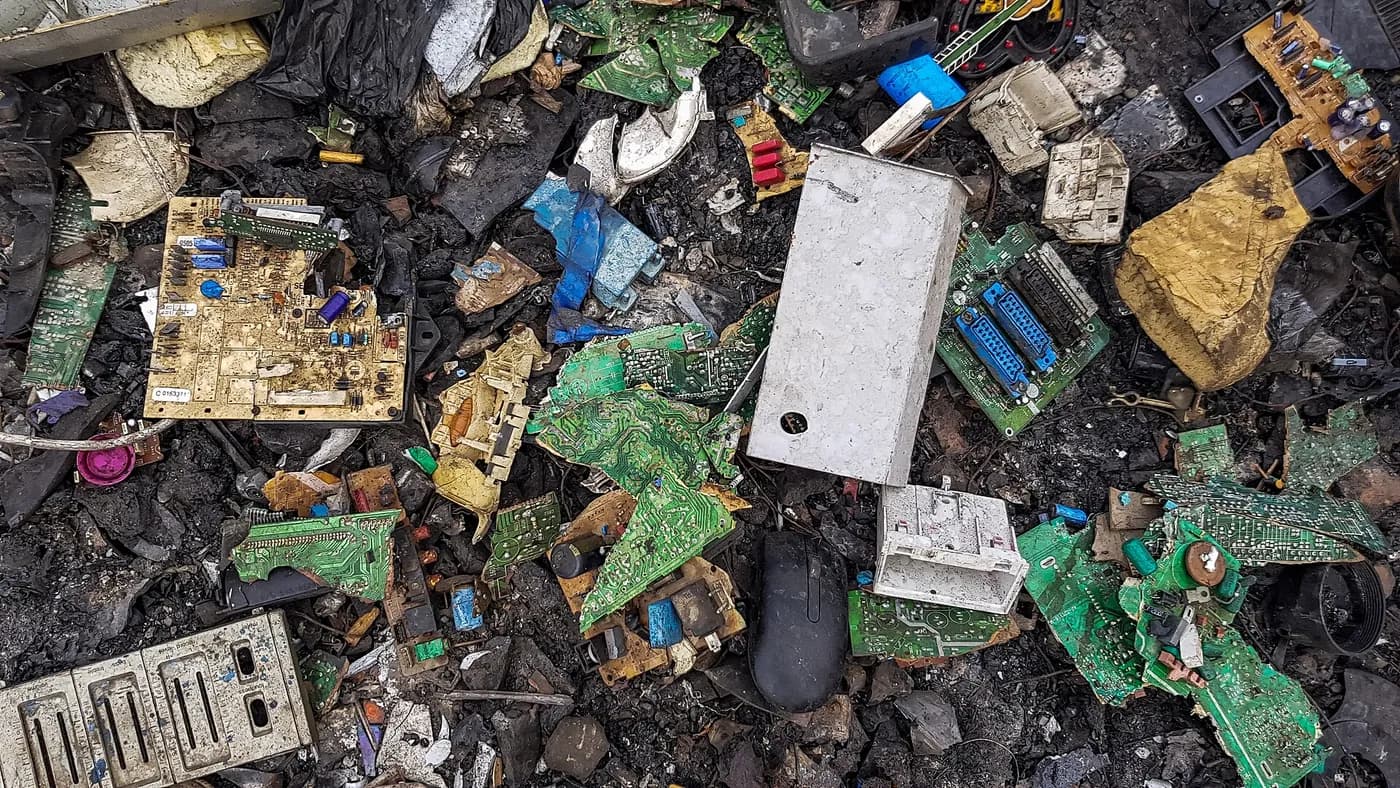
Refurbishment is one of the simplest answers to this problem, provided it is done properly. The whole difference lies between a device that has been genuinely restored, tested and guaranteed, and a batch of used equipment imported without checks, which will work for only a few months before swelling the dumps. Companies in the sector therefore have every interest in proving the quality of their machines, and in tracing what becomes of them at the end of their life.
The model has its weak spots too. SORAM depends on fleets of machines bought abroad, and therefore on second-hand equipment prices, sea freight and exchange rates. Manufacturers, for their part, are increasingly pushing their own leasing and service offers. And printing itself is slowly declining as governments and businesses go digital.
Still, in most countries in the region, paper is not about to disappear: official documents, exams, invoices, contracts. As long as paper remains the rule, a reliable and cheaper copier will keep its customers. It is on this reality, more than on a technological promise, that Saviu has chosen to bet.
- Senegalese Industrial Company SORAM Afrique Raises USD 1.36 M From Saviu, WeeTracker.
- Saviu Ventures makes first climate tech bet with $1.36 million round in Senegal’s SORAM Afrique, Tech In Africa.
- Sénégal : Saviu Ventures investit 1,36 million de dollars dans le reconditionneur d’imprimantes SORAM Afrique, TechAfrika.
- Senegal’s SORAM Afrique raises $1.36m to expand its equipment business, Business Tech Africa.
- AfDB enters Saviu II as a limited partner with €6.5M, targeting underfinanced tech startups in Francophone Africa, Agence Ecofin.
- The Global E-waste Monitor 2024, UIT / UNITAR.
Spotted an error? Write to infos@novotech.blog. Corrections are flagged at the end of the article.