Kenya: the central bank wants to require up to 250 million shillings of capital from e-money issuers
The draft National Payment System Bill sets minimum capital by activity. Young fintechs are the most affected; a regulatory sandbox is planned for testing without a licence.
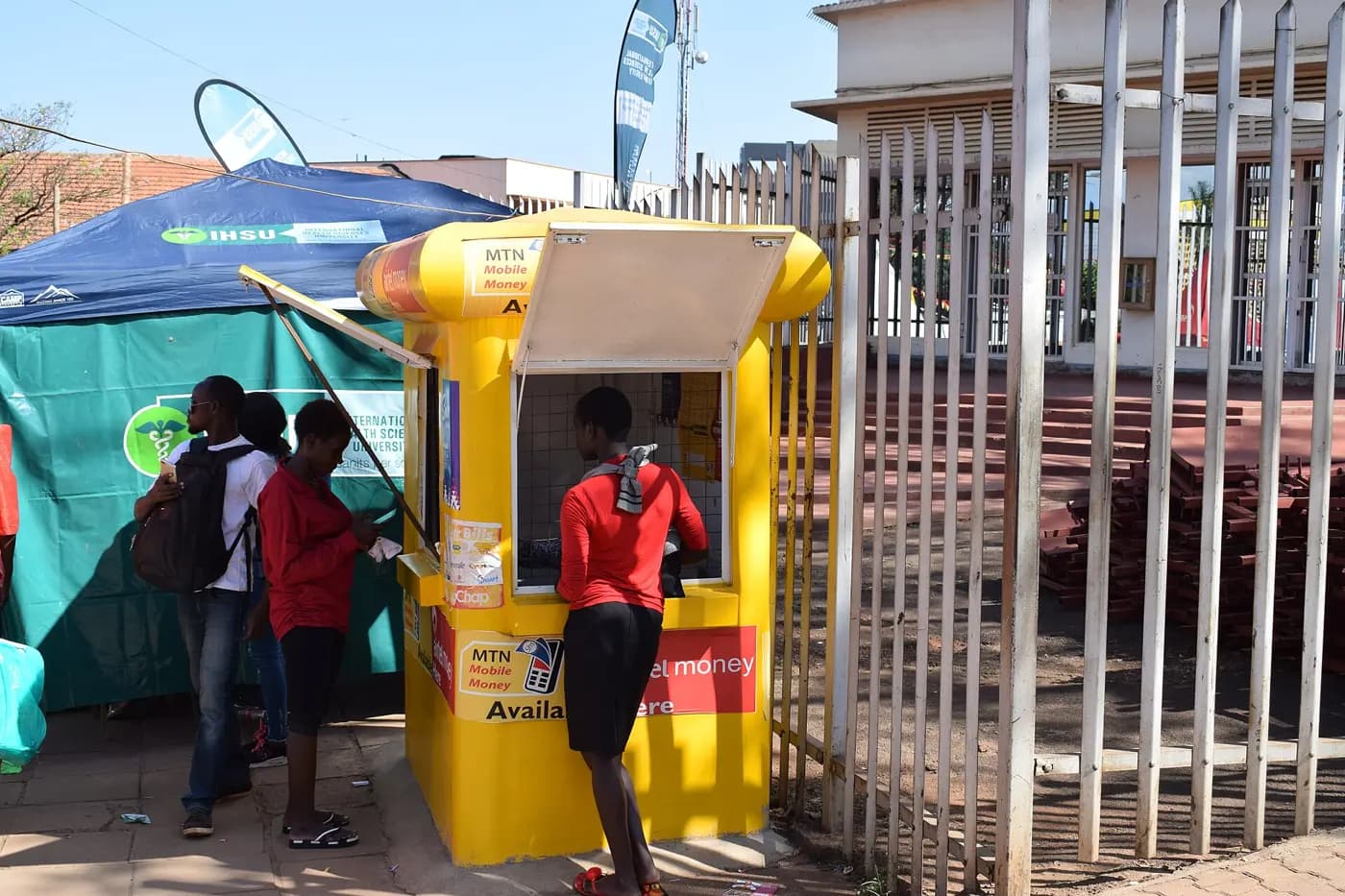
- The CBK wants minimum capital for payment companies, up to 250 million shillings.
- One year to comply after the law is passed; young fintechs are the most exposed.
- A sandbox will allow testing without a licence.
The Central Bank of Kenya (CBK) is proposing to impose minimum capital on payment companies, under the 2026 National Payment System Bill.
The proposed amounts
- Basic data services: 5 million shillings (about $38,600).
- E-money issuers: 250 million shillings ($1.93 million).
- Both e-money issuer and wallet provider: 275 million shillings ($2.12 million).
- Several activities: 100% of the highest threshold, plus 50% for each additional activity.
This capital must consist of fully paid-up shares and disclosed reserves. Shareholder loans, borrowed money or revaluation reserves do not count. Companies already operating would have one year after the law is adopted to comply.
Who is affected
Young or self-funded fintechs will be hit hardest. Commercial banks, microfinance institutions and state-owned companies would only need CBK authorisation, not a full licence. The text also creates a regulatory sandbox, which allows a service to be tested in real conditions without a licence or upfront capital.
Spotted an error? Write to infos@novotech.blog. Corrections are flagged at the end of the article.