Remote work: what Senegal’s new Labour Code changes for employees and employers
Working from home appeared nowhere in the 1997 Code. It is now written into law: six articles govern remote work, with a mandatory written agreement, the same rights as in the office and a right to disconnect that is still waiting for its implementing decree.
Why it mattersIf you work from home, even two days a week, your employer now has to put it in writing. And an accident at home during working hours is presumed to be a workplace accident.
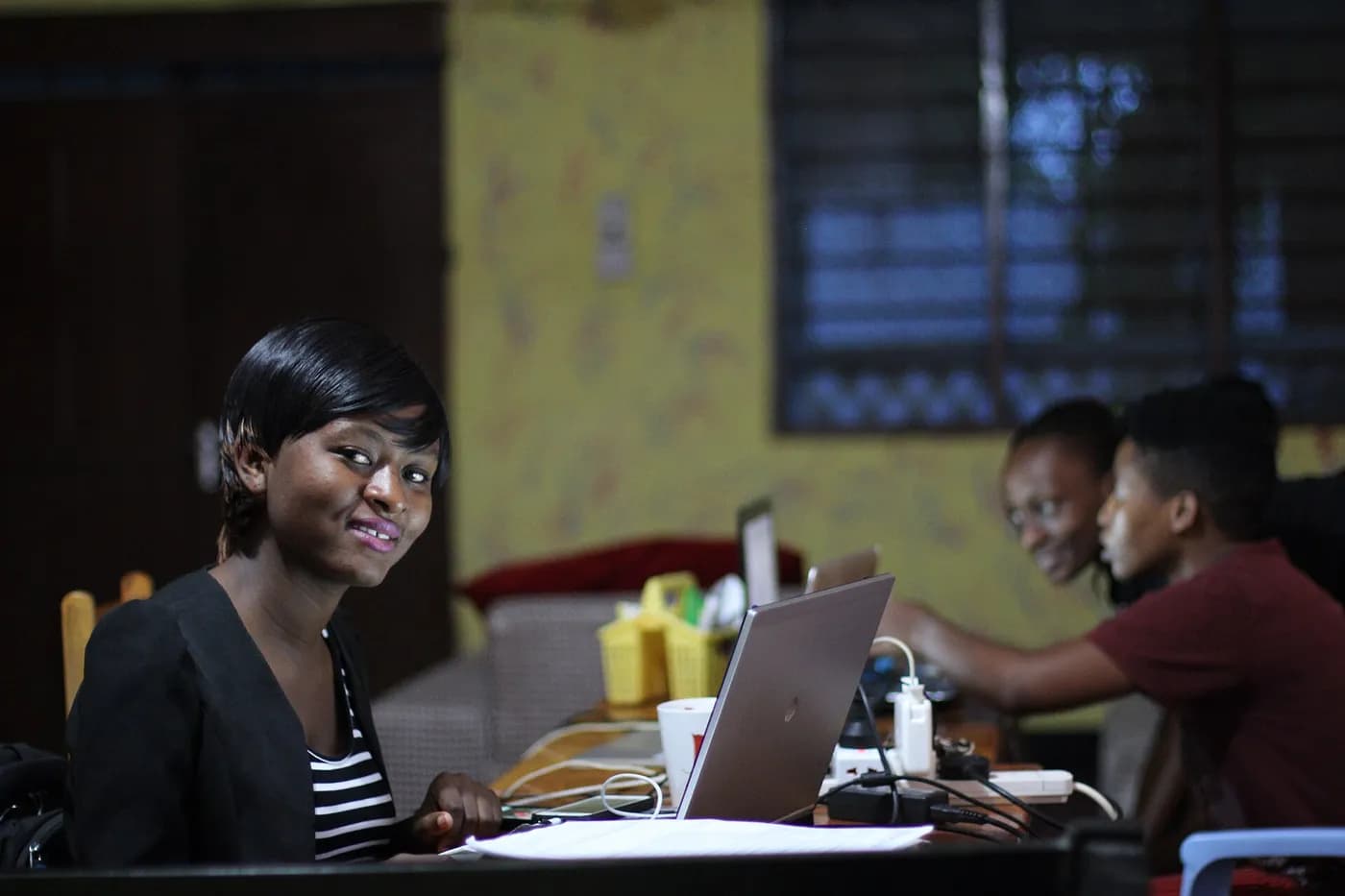
- Senegal’s new Labour Code (Law No. 2026-18), in force since September 18, 2026, regulates remote work in Articles 268 to 273.
- Remote work requires a written agreement (in the contract or an amendment), except during an epidemic or force majeure, when the employer can impose it.
- Remote workers keep the same rights and pay; an accident at home while working is presumed to be a workplace accident.
- Who pays the costs has not been settled, and the right to disconnect is waiting for a decree.
During Covid, thousands of Senegalese employees took their laptops home without any rule saying who paid for the internet connection, when the working day ended or what happened if they fell down the stairs. Six years later, the answer is in the law. The new Labour Code, passed on August 18 by 129 of the 165 members of parliament, signed into law on September 3 as Law No. 2026-18 and published in the Official Journal on September 17, devotes a whole chapter to remote work.
The text, which took effect on September 18 with no transition period, defines remote work in Article 3: work carried out away from the employer’s premises using information technology, either full-time or just a few days a week. The core rules then fit into six articles, 268 to 273.
A written agreement, except in a crisis
First rule: an employee cannot be switched to remote work with a simple text message. Article 269 requires a written agreement, either in the employment contract or in an amendment. It must set out the place, the schedule, the working hours, how the work will be monitored, the equipment provided and the confidentiality rules. Before introducing remote work for the first time, the company must also consult staff representatives and the occupational health and safety committee (Article 268).
There is one exception, and it is a big one. In an epidemic, a pandemic or a case of force majeure, the employer can impose remote work without the employee’s consent, as long as it informs the employee in writing. The Code does not say how long that situation can last, or how the return to the office should work.
Otherwise, remote workers are not second-class employees. They get the same pay, the same benefits and the same rights as colleagues who stay on site (Article 271). Legal working hours, overtime and weekly rest apply at home just as in the office (Article 270). And an accident at the remote work location during working hours is presumed to be a workplace accident (Article 272): it is up to the social security fund or the employer to prove otherwise, not the employee.
Monitoring has its limits. Article 24 requires it to be necessary and proportionate, in line with the 2008 personal data protection law. An employer cannot turn the webcam into a permanent time clock.
These gaps matter. In a country where electricity bills and mobile data plans take a big bite out of household budgets, the question of costs is likely to be settled company by company, depending on who has the upper hand. Employees who already work remotely without any paperwork now have a good reason to ask for their contract amendment. Employers, for their part, have every interest in putting their practices in order before the first dispute.
- Le télétravail dans le nouveau code du travail sénégalais, Socialnetlink.
- Code du travail du Sénégal 2026 : CDD, télétravail, harcèlement, articles et documents, Vie-publique.sn.
- Sénégal : l’Assemblée nationale adopte un nouveau Code du travail, KOACI.
- Nouveau code du travail au Sénégal : la réforme entre désormais dans sa phase d’application, Le Soleil.
Spotted an error? Write to infos@novotech.blog. Corrections are flagged at the end of the article.