Space: Senegal prepares its second satellite, assembled by its own engineers
After GaindeSat-1A in 2024, Senegalese engineers are assembling GaindeSat-1B, a nanosatellite for environmental observation. The next ones are to be built near Dakar.
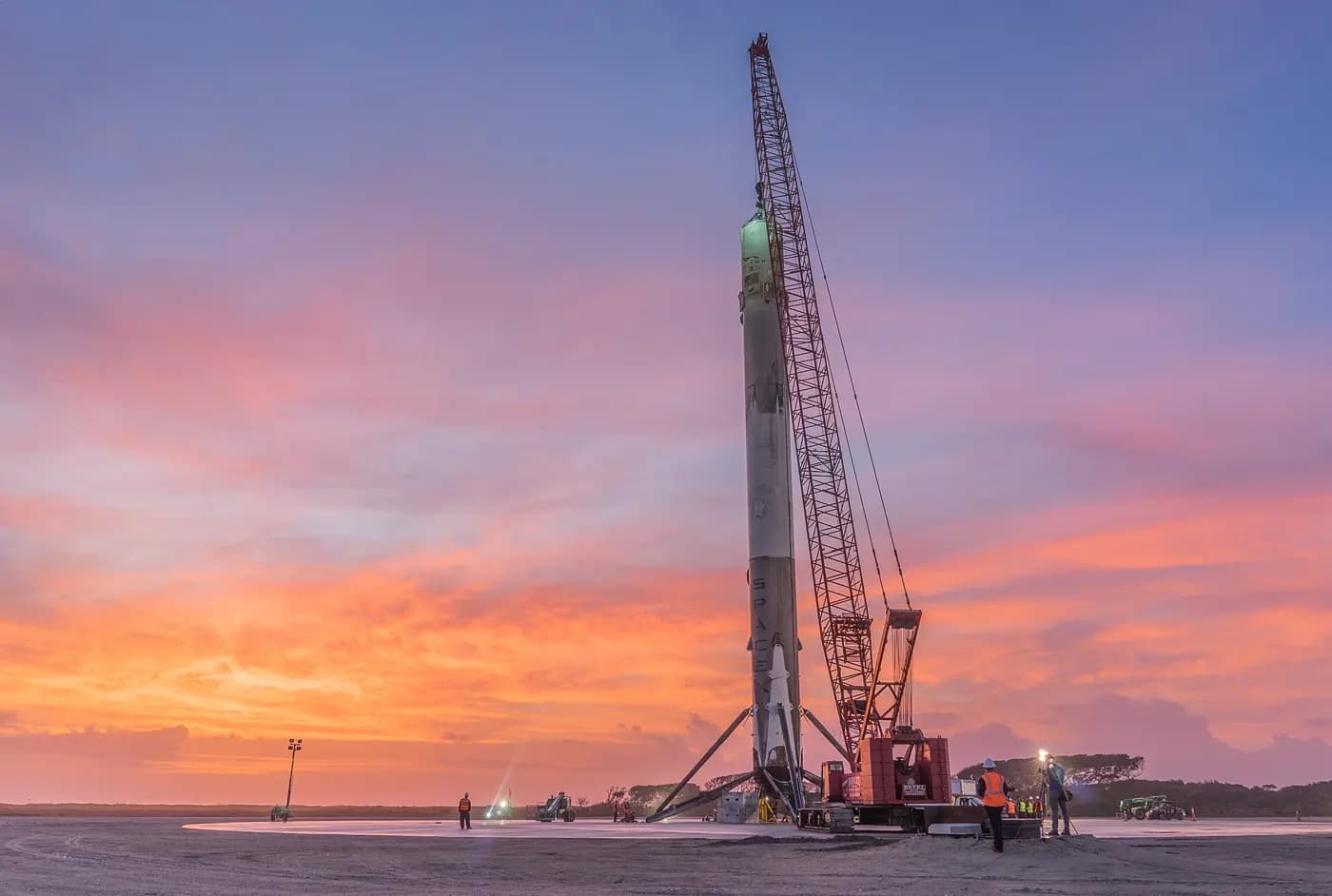
- Senegal is assembling its second satellite, GaindeSat-1B, to observe the environment and climate.
- The next ones will be built at Sensat’s headquarters near Dakar.
- More than 20 African countries have a space programme, against 8 in 2018.
Two years after the launch of GaindeSat-1A, the country’s first satellite, built with scientists in Montpellier, Senegalese engineers are assembling GaindeSat-1B in a laboratory at the University of Montpellier. This nanosatellite is to collect data on the environment and the climate.
This time, the support that guided the first satellite is no longer needed. The next satellites are to be built at the new headquarters of Sensat, the national space programme, on the outskirts of Dakar.
« We have mastered the manufacturing process. »
Gayane Faye, head of Sensat, to AFP (our translation)
An African space race
Senegal is not alone. National space budgets on the continent reach about $800 million, against less than $300 million in 2018, and more than 20 countries now have a space programme, against 8 at the time. The African Union has set up its space agency in Cairo.
- As African space race heats up, Senegal pursues homemade satellites, Phys.org (AFP).
Spotted an error? Write to infos@novotech.blog. Corrections are flagged at the end of the article.