Visa and Senegal are accelerating digital payments
Senegal and Visa have signed a two-year memorandum of understanding to support the country’s digital transformation. The partnership aims, in particular, to explore new payment solutions between citizens and the public sector, whilst strengthening cyber security and financial innovation. This cooperation is in line with the ambitions of the Technological New Deal.
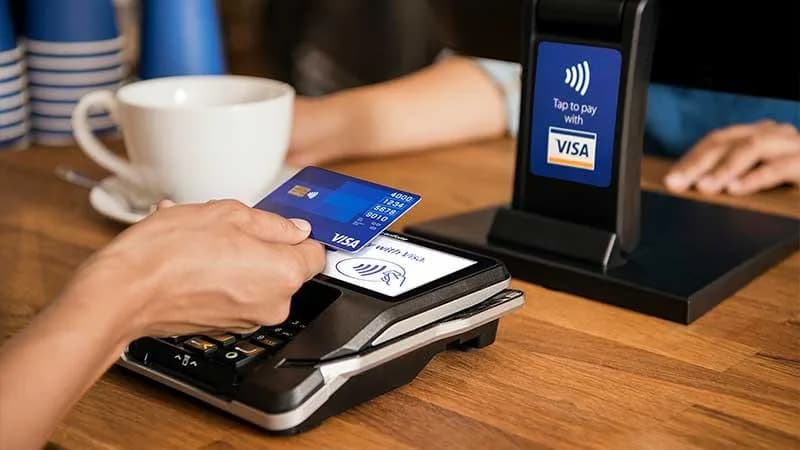
- On 30 October 2026, the Senegalese Ministry of Telecommunications and Digital Technology and Visa formalised a two-year strategic partnership.
- Both parties wish to explore ways of enabling citizens not only to pay for certain public services electronically, but also to receive payments directly from the State.
- The cooperation will also cover cyber security, financial innovation and regulatory issues. At present, no specific timetable for the launch of services or any new platforms has been announced.
Visa and Senegal formalise a two-year partnership
Senegal is continuing its efforts to accelerate the digitalisation of its economy. On 30 October 2026, the Ministry of Telecommunications and Digital Technology and the Visa Group announced the signing of a memorandum of understanding establishing a two-year strategic cooperation framework. This initiative aims to support the country’s digital ambitions, particularly in the areas of electronic payments, financial innovation, cyber security and the modernisation of public services. This is the first partnership of its kind between Visa and a Senegalese government body. The agreement is based on dialogue between the public and private sectors, as well as on the sharing of expertise, with a view to identifying projects that are in line with national priorities.
Paying the government and receiving state benefits digitally
One of the most interesting aspects of this agreement concerns payments between citizens and public authorities. In particular, the two partners wish to explore two mechanisms: P2G (Person-to-Government) and G2P (Government-to-Person). The first would enable individuals to settle certain obligations to the authorities electronically: utility bills, licence fees or other administrative payments. The second relates to payments made by the State to citizens, in particular benefits and financial transfers. In practical terms, these systems could simplify certain procedures, reduce the need to travel to make physical payments and improve the traceability of transactions. For public authorities, the digitisation of these transactions could also make it easier to track payments and reduce some of the constraints associated with cash management. However, these services have not yet been officially rolled out. The plan is first to examine the use cases and solutions likely to meet Senegal’s needs.
Cybersecurity at the heart of cooperation
The growth of digital payments also brings with it new security responsibilities. Online fraud, identity theft, account compromise and transaction hijacking: the risks are increasing as more and more financial services become available online. That is why the partnership provides for the sharing of knowledge and expertise on cyber security. Regulatory issues and financial innovation are also among the areas of cooperation. The aim is to promote a more reliable digital environment, capable of supporting the growth in electronic transactions whilst protecting users. This aspect will be particularly important if the proposed solutions directly concern public services and financial payments to the public.
A new phase for the Technological New Deal
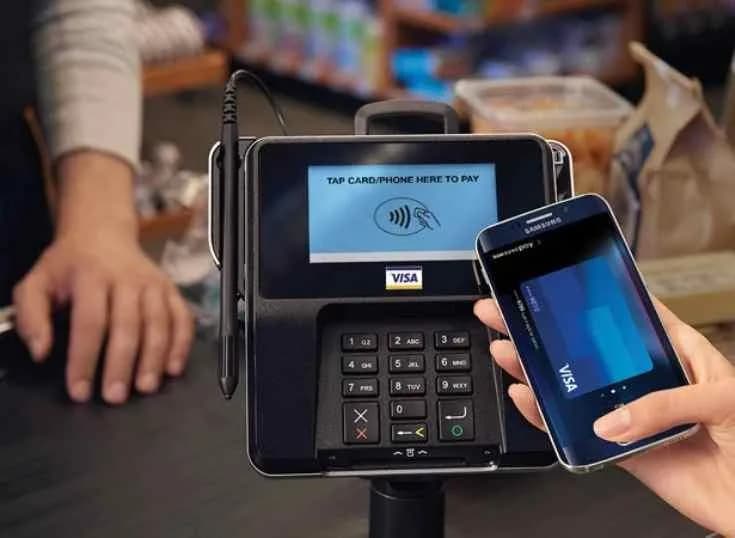
This partnership forms part of Senegal’s national digital transformation strategy, driven by the Technological New Deal. Launched in February 2025, this strategy aims, in particular, to modernise the public administration, develop digital infrastructure and strengthen financial inclusion. The partnership with Visa adds a further dimension to this initiative: drawing on the expertise of an international payments provider to identify solutions tailored to the Senegalese context. The collaboration could also open up opportunities for financial institutions, technology companies and local stakeholders involved in the development of digital services. However, the success of this initiative will depend on several factors: the accessibility of the solutions, their cost to users, the protection of personal data, the security of transactions, and their ability to operate within the realities of the Senegalese market.
Concrete results are still awaited
The signing of this agreement marks an important institutional milestone, but it does not in itself guarantee an immediate transformation of public payments. Both parties still need to identify priority projects, set out the terms of cooperation and determine which solutions can be developed. The financial details of the partnership and the timetable for the roll-out of any services were not disclosed in the official announcement. For citizens, the key issue will therefore be to see the introduction of genuinely useful services: paying for administrative procedures without having to go anywhere, receiving public payments more easily, or accessing digital financial services under secure conditions. Senegal and Visa now have two years to turn this framework for cooperation into concrete initiatives. It is through their implementation that we will be able to gauge the true scope of this partnership.
- VISA - APO GROUP, VISA.
- Payspace Magazine, Payspace.
- Wassare News, Wassare News.
Spotted an error? Write to infos@novotech.blog. Corrections are flagged at the end of the article.