Where is Senegal’s data stored? A state data centre at 31% capacity, everyday apps hosted abroad and a 2008 privacy law
Senegal spent tens of billions of CFA francs to keep its data at home in Diamniadio. By the government’s own figures, the site is only 31% used. From messaging apps and mobile money to ID cards and medical records, NovoTech traced where personal information actually goes, from the subsea cable to the server, and the rules meant to protect it.
Why it mattersYour messages, payments and biometric identity are stored somewhere, often outside Senegal and under foreign law. Knowing where tells you who can reach them and what recourse you have.

- According to Sénégal Numérique SA, the public data centre in Diamniadio, opened in 2021 with a Chinese loan and Huawei’s support, is only 31% used, against 81% and 93% for the state’s two older sites.
- The cloud built with Alibaba for the Dakar Youth Olympic Games is hosted in Diamniadio, SENUM SA says, which keeps the data in Senegal but preserves a technological dependence.
- WhatsApp relies on Meta’s data centres, including in the United States; Wave and Orange Money do not say where their customers’ data is stored.
- Senegal’s 2008 personal data law has still not been reformed; a 2026 law requires public data to be stored locally, but its implementing decrees have not been published.
- Rwanda, Kenya and Nigeria have clearer localisation rules, and American and Chinese law raise the question of who controls data, wherever it sits.
The warning did not come from Dakar. On January 20, 2026, a manager at Iris Corporation Berhad, the Malaysian company that makes Senegal’s digital identity cards, reported by email an intrusion the day before into two servers at the Direction de l’automatisation des fichiers (DAF), the police department that keeps the national ID card file. The email was reported by Socialnetlink. On February 5, the DAF announced a “temporary suspension” of card production, which did not resume until April 1. A group, Green Blood, claimed to have stolen personal and biometric data. The head of the DAF, police commissioner Ibrahima Dieng, insisted on the radio station RSI in September that Senegalese citizens’ data “was not compromised”.
The episode raises a simple question that few people ask and the state answers poorly: where, physically, is Senegal’s data? In a public in Diamniadio, at Sonatel in Rufisque, in Meta’s facilities in the United States, with a foreign contractor known only by name? The answer depends on the service, and often nobody gives it. This report pulls together what the figures published by the government, the operators and the apps themselves reveal, and flags what remains in the dark.
Diamniadio, a vault two-thirds empty
On June 22, 2021, then-President Macky Sall opened the “national data centre” in Diamniadio, about 30 kilometres from Dakar. The message was sovereignty: he ordered that state data and platforms hosted abroad, or in facilities below standard, be moved there without delay. Cheikh Bakhoum, head of the State IT Agency (ADIE), announced nearly 1,000 square metres of technical rooms and 1.4 megawatts of power. The site was part of the Smart Senegal programme, whose total cost Financial Afrik put at $150 million, or 84.5 billion CFA francs, with technical support from Huawei.
How much did the building itself cost? The figures do not match. DatacenterDynamics and Rest of World reported 46 billion CFA francs in 2021. The daily Enquête cited 82 billion CFA francs of financing from the Export-Import Bank of China, and the AidData database records an $83.3 million loan from the same bank, with Huawei building and equipping the site. The state company that now runs it, Sénégal Numérique SA (SENUM SA, formerly ADIE), gives a cost of 83 billion in a presentation by its chief executive, Isidore Diouf, published on the presidency’s website.
The same document contains a figure never before made public in this form: the utilisation rate of the state’s three data centres. The Orana site, built in 2004, has 32 terabytes of storage, 81% used. The Technopole site, from 2008, has 392 terabytes, 93% used. Diamniadio, by far the largest at 1,000 terabytes, stands at 31%. The two old sites are nearly full; the new one is two-thirds empty.
Utilisation rate of Senegal’s three state data centres
Source: Sénégal Numérique SA, “Transformation digitale de l’administration” presentation (2025), Senegalese presidency website
The document does not say what the rate measures, disk space or occupied racks. If it refers to storage, simple arithmetic gives an order of magnitude: about 310 terabytes in use at Diamniadio, against some 365 at Technopole, a site thirteen years older and two and a half times smaller. According to the same presentation, 176 government bodies have hosted data with SENUM, and 21,120 state email accounts run on its servers.
Storage capacity of Senegal’s state data centres
In terabytes. Source: Sénégal Numérique SA, “Transformation digitale de l’administration” presentation (2025)
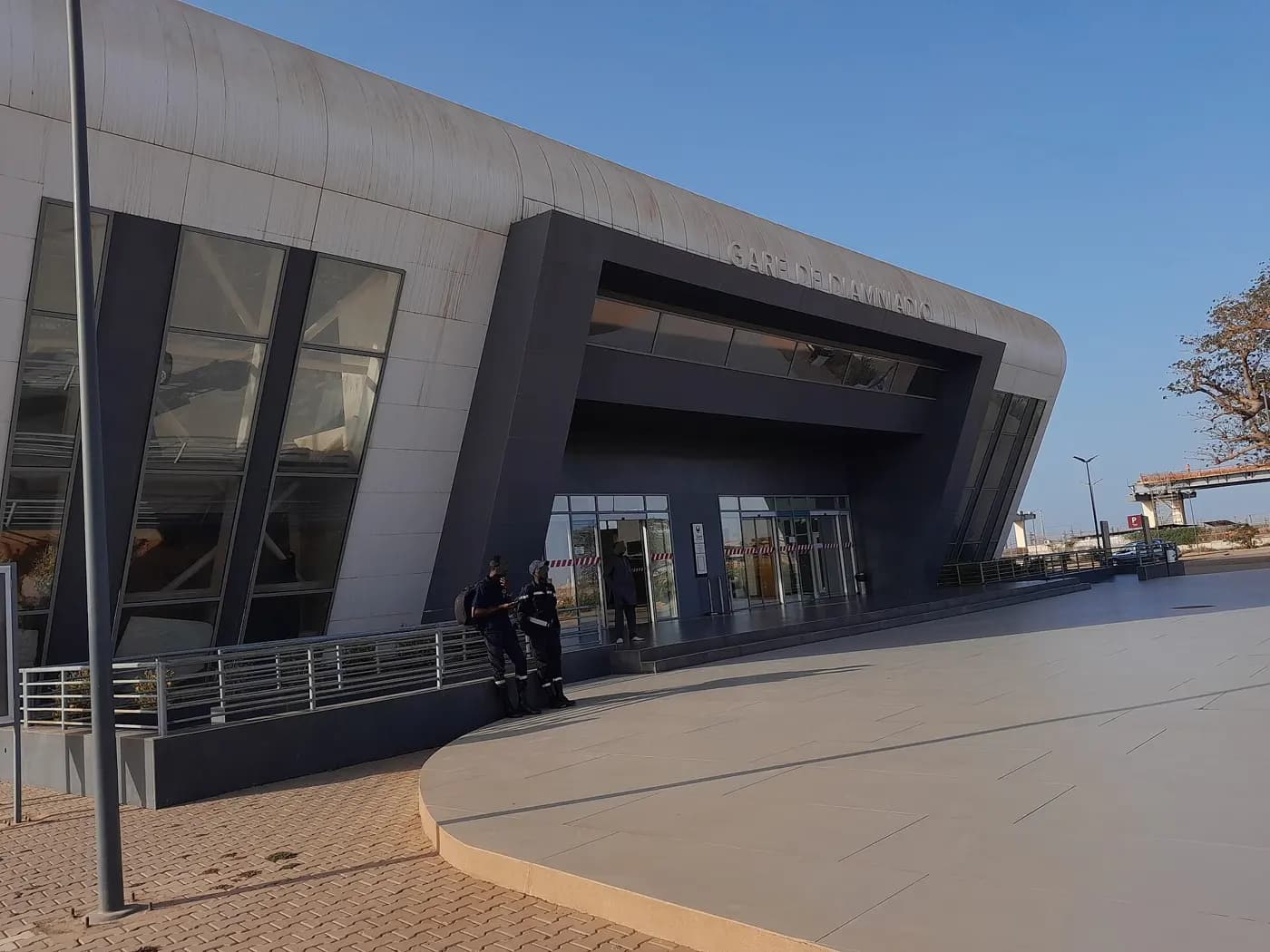
Why did government departments not follow? In October 2023, a ten-month investigation by PressAfrik painted a bleak picture. Only the Ministry of Health had moved about 80% of its data. The Finance Ministry kept its own IT centre, the DTAI. The Presidency, the Prime Minister’s office and the National Assembly had not moved. Asked about TER passenger data, which the outlet said was hosted by the Paris transport operator RATP, the head of the rail company Senter, Abdou Ndéné Sall, replied that “the system is not yet complete”. Several officials spoke of a lack of trust in the facility.
The site’s quality did not help. At the opening, Cheikh Bakhoum called it the largest data centre in West Africa and described it as “”, a reliability standard. Africa Check refuted both claims in August 2021. Tarik Bahanniss, business development manager at the Uptime Institute, the US body that awards the label, said certification talks stopped when the project was awarded to Huawei. Sonatel’s certified data centre in Rufisque is larger. We found no announcement of a certification for Diamniadio since.

The Games cloud moves into Diamniadio
The 31% figure could rise quickly. The private built with Alibaba Cloud for the Youth Olympic Games, which ended on Friday, November 13, is hosted “in SENUM’s data centre in Diamniadio”, according to a statement from the state company carried by the Senegalese Press Agency. It is the first public confirmation of its location. SENUM SA wants to turn it into a national platform for government applications after the Games.
The infrastructure runs on Apsara Stack, the version of Alibaba Cloud installed on a customer’s premises. The Games’ data, ticketing, electronic visas and results, therefore stayed physically in Senegal. The software remains Chinese, as Huawei’s equipment was in 2021. Twice the country has chosen the same formula: walls in Diamniadio, technology designed in Shenzhen or Hangzhou, financed or supplied by Chinese groups.

The formula has its critics. Data stored locally is not necessarily safer when the foreign supplier delivers the whole package, from hardware to maintenance: that is the argument of Jonathan Hillman, author of The Digital Silk Road, who told Rest of World in 2021 that can become an empty slogan. The most cited precedent dates from January 2018. Le Monde reported that from 2012 to 2017 the servers at the African Union headquarters in Addis Ababa, a building donated and equipped by China, sent unusual volumes of data to Shanghai every night between midnight and 2 a.m. Beijing denied it, and the chairperson of the AU Commission, Moussa Faki Mahamat, himself rejected the allegations during a visit to China the following month.
No leak of that kind has been reported in Diamniadio. That is not the point. The point is control: who holds the administrator passwords, who applies updates, who steps in when something breaks, and under which law. The contract with Alibaba Cloud, its duration and its maintenance terms have not been published.
Sonatel, PAIX and the rest: the private sector moves at its own pace
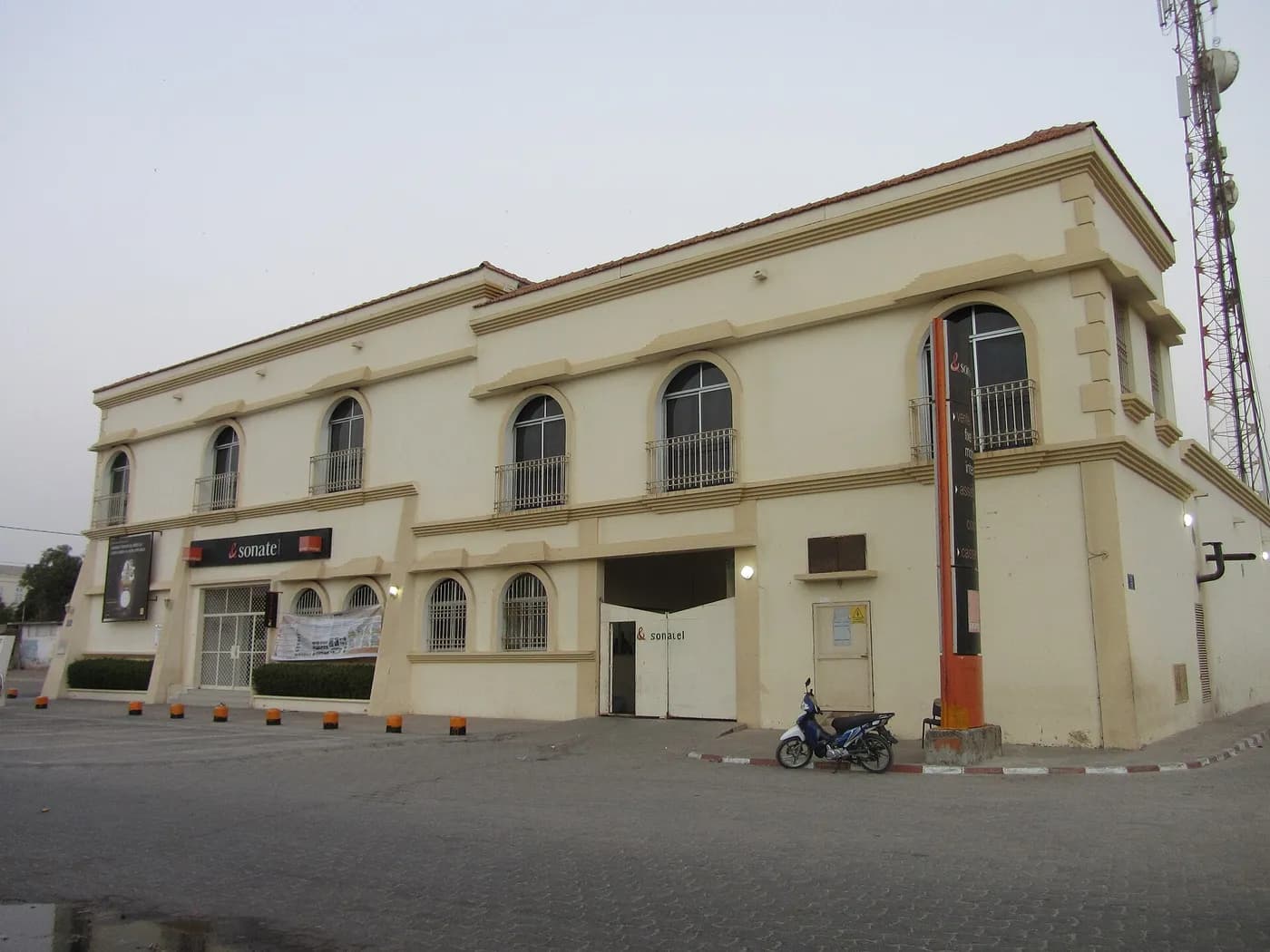
The state does not own the country’s biggest data centre. That title belongs to Sonatel, part of the Orange group, which opened a 3.5-hectare site in Rufisque, 25 kilometres from Dakar, in June 2017: three 250-square-metre computer rooms, Tier III certification from the Uptime Institute and an investment of about 10 billion CFA francs, according to Jeune Afrique. Its chief executive at the time, Alioune Ndiaye, said the aim was to make it easier for large groups to set up in Senegal and the wider region. The operator has since completed a third expansion phase, without publishing figures.
Sonatel is also where Amazon gained a foothold in Senegal. In April 2025, the operator and Amazon Web Services launched a “Wavelength zone”, the first in West Africa: AWS servers installed in Sonatel’s data centre, letting applications run in Dakar with lower latency. Sonatel group chief executive Sékou Dramé highlighted compliance with data localisation rules for finance, health and the public sector. A month earlier, in March 2025, Sonatel and SENUM SA signed a partnership to interconnect their and revive SENIX, the national internet exchange point, where networks swap local traffic without routing it through Europe.
Others are coming. PAIX Data Centres, a pan-African operator backed by the Africa50 fund, announced in January 2025 a site in Les Mamelles, Dakar: 918 square metres, 1.2 megawatts and up to 330 racks, with the first phase due to go live in 2026. Its Senegal managing director, Boubacar Fall Sy, told CIO Mag the company was eager to offer local and international businesses world-class services. We found no announcement of an opening as of mid-November.
The neighbours are not standing still. Raxio, which runs neutral data centres in several African countries, chose Abidjan for its entry into West Africa. Its CIV1 site, opened in September 2024 in the technology zone at Grand-Bassam, claims 3 megawatts and up to 800 racks, and explicitly targets the eight countries of the West African Economic and Monetary Union, Senegal included. None of the big cloud providers, Amazon, Microsoft or Google, has opened a “region” in West Africa: their nearest African facilities are in South Africa, in Johannesburg and Cape Town.
Cables, the data highway
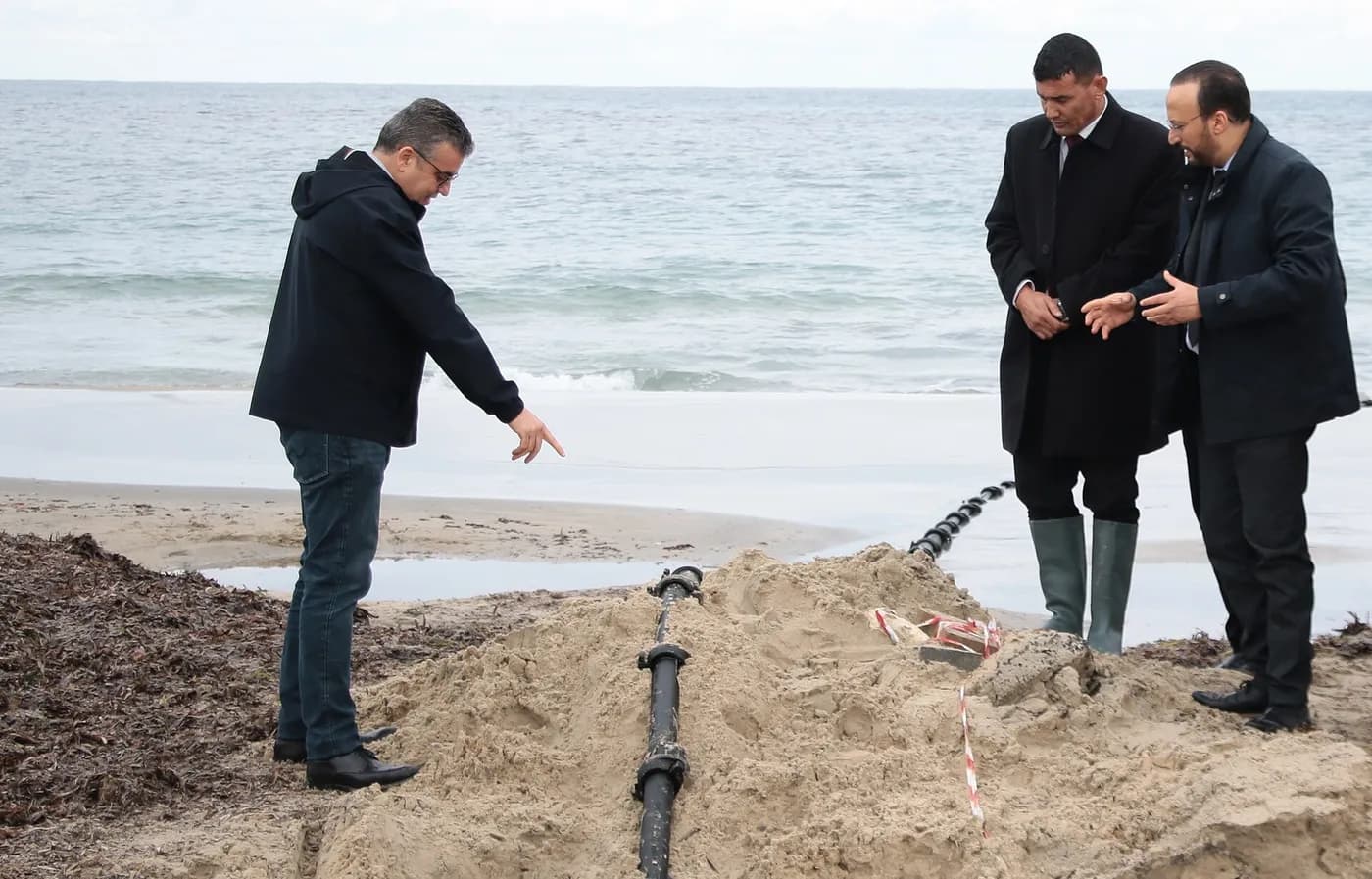
Before it is stored, data travels. Dakar is one of the hubs of Africa’s Atlantic coast: landing there are SAT-3, ACE, MainOne’s cable and SHARE, the state cable linking Dakar to Praia in Cape Verde over 720 kilometres, according to SENUM SA. The newest arrival is the biggest. On February 20, 2026, Sonatel switched on its connection to 2Africa, the 45,000-kilometre Meta-led cable that circles the continent. Its nominal capacity of 180 terabits per second is, according to the operator, “about ten times” that of its previous systems.
Traffic is following. According to the regulator ARTP, Senegal had 23.38 million mobile internet subscriptions at the end of 2025, more than its population, largely because many users carry several SIM cards. DataReportal’s Digital 2026 report puts the actual number of internet users at 11.5 million. More cables mean data travels faster, not that it stays in the country: as the rest of this report shows, the services these users rely on most store their information elsewhere.
WhatsApp, Gmail, Wave: everyday data travels far
For users, the clearest answer comes from privacy policies. Outside Europe, WhatsApp is provided by WhatsApp LLC, a US company, which says it uses “Meta’s global infrastructure and data centers, including in the United States.” A message sent from Thiès to Ziguinchor is end-to-end , so Meta cannot read it, but metadata (who talks to whom, when, from which device), profile photos and any backups pass through that infrastructure. Google, for Gmail or Android, simply says it has servers around the world and that information may be processed outside the user’s country of residence.

is murkier. Wave publishes a privacy notice dated December 1, 2022. It mentions “cloud storage providers” without naming them, says the company processes data in several countries and may transfer it abroad where the law allows. No country is named. Sonatel has not published where Orange Money data is processed either. Nor did we find any public information on where the government’s e-Sénégal portal is hosted.
Senegal’s Personal Data Protection Commission (CDP) has already acted in this sector. In July 2023, it refused Wave permission to process two files, one of merchants and one of sub-distributors. At issue was the sharing of customer data with agents, through reading ID cards during transactions, which it judged risky for customers’ security and privacy. The CDP asked for “alternative and proportionate” ways to identify customers and said it would summon the company to a hearing.

Health, civil registry, biometrics: the most sensitive files
Health data is the only category whose return home can be traced. In early 2024, SENUM SA and the Ministry of Health signed a three-year agreement to host in Senegal data previously stored abroad: shared patient records, telemedicine, hospital information systems, community health. The digitisation programme, planned for 2023 to 2027, is backed by $50 million from the World Bank. That fits PressAfrik’s finding that Health was the only ministry to have largely moved to Diamniadio.
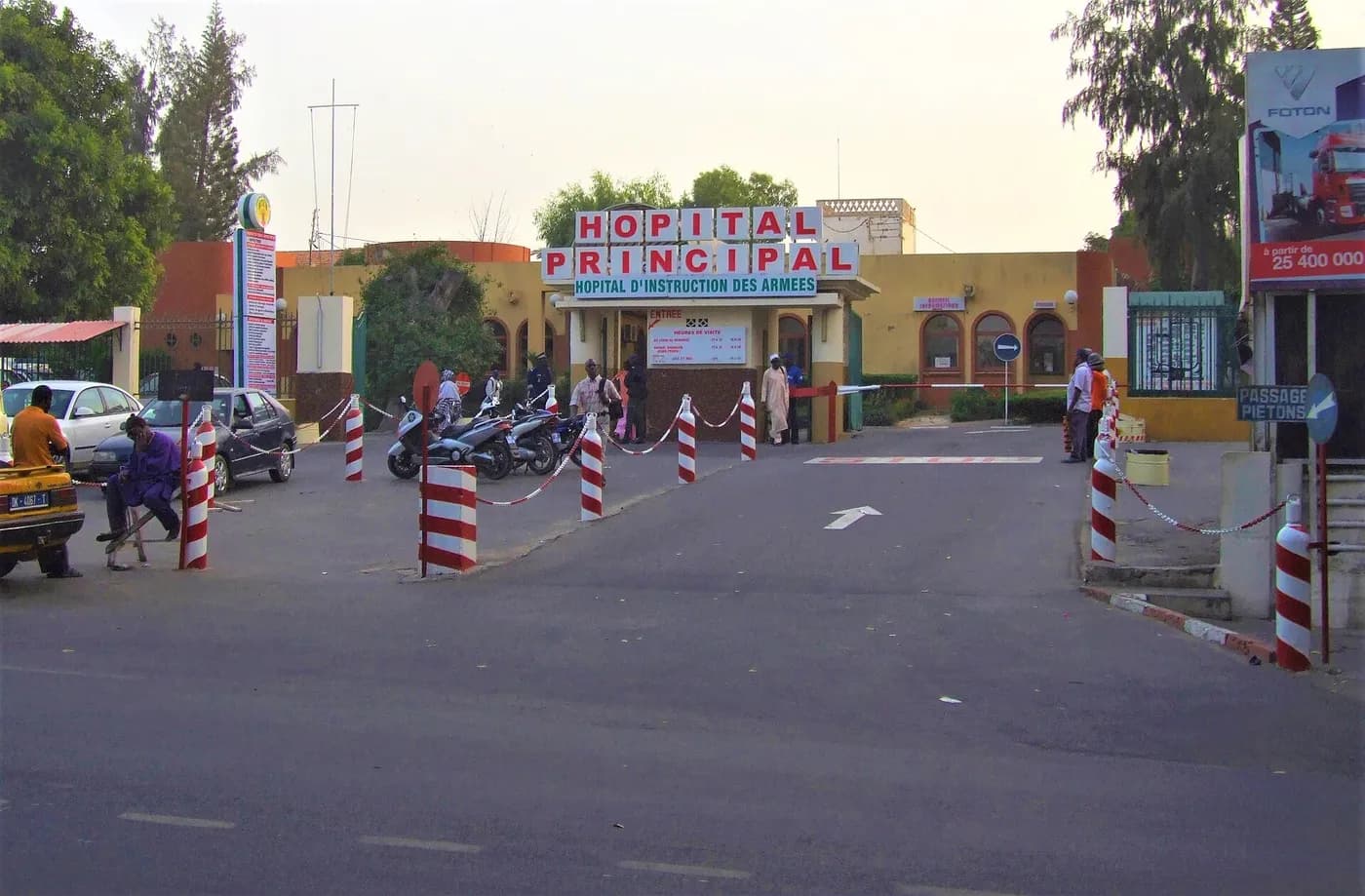
Civil registration is going digital fast. In March 2025, the head of the National Civil Registry Agency (ANEC), Aliou Ousmane Sall, said 20 million records had been digitised and indexed out of a target of 30 million, and put the funding still needed at more than 68 billion CFA francs. In September 2026, his successor, Matar Ndao, said 77% of the country’s 629 civil registry centres were covered by the modernisation drive, and that the data was hosted on several state sites. ANEC did not say which.
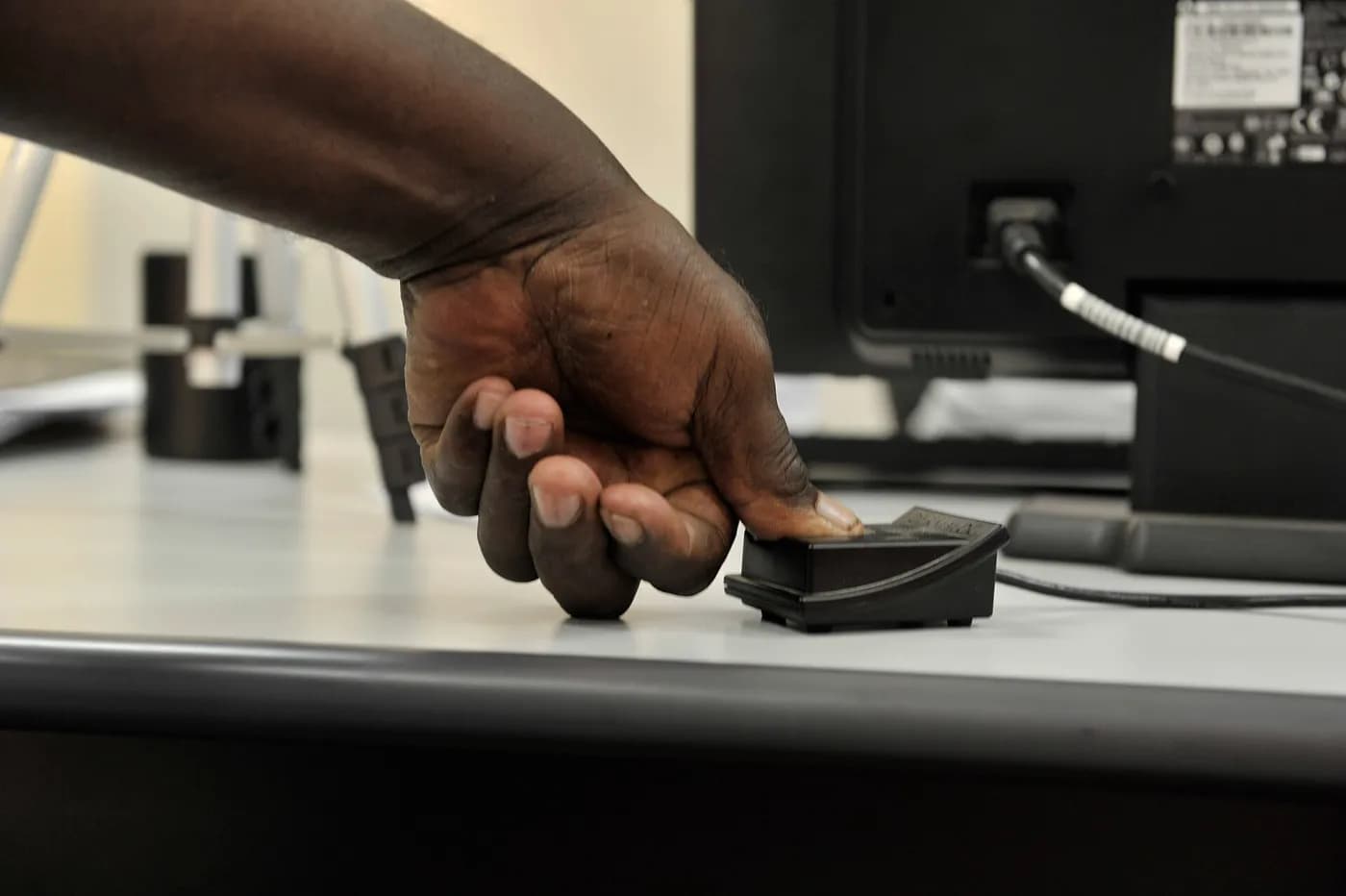
The biometric file is the most sensitive. Digital ID cards are produced with Iris Corporation Berhad. In 2023, anonymous sources told PressAfrik that the biometric data was stored in Malaysia; SENUM SA could not confirm it, and one of its officials, Assane Sine, would only say that “the process is under way”. The January 2026 attack above all exposed the dependence: it was the foreign contractor that raised the alarm, and card production stayed frozen for nearly two months.
A 2008 law for 2026 data
The reference text is eighteen years old. Law No. 2008-12 of January 25, 2008 created the CDP, an independent administrative authority with eleven members. Its Article 49 bans in principle the transfer of personal data to a third country that does not offer an adequate level of protection. In practice, some transfers require CDP authorisation, and whoever runs a file must declare whether data is sent abroad. The CDP has never published a list of countries it deems adequate: it looks case by case at whether the destination country has a data protection law.
The commission’s workload shows what it actually oversees. In the first quarter of 2026, according to its quarterly notice No. 01-2026, it handled 317 cases: 286 declarations and 31 authorisation requests. Two hundred of the receipts it issued concerned CCTV cameras. It received nine complaints and carried out one on-site inspection, on March 12, at a company ordered to remove a camera installed in a meeting room. The cloud and international transfers remain far from this daily routine.
Activity of Senegal’s Personal Data Protection Commission, first quarter of 2026
In cases. Source: CDP, quarterly notice No. 01-2026, reported by Socialnetlink (June 12, 2026)
A modernisation bill published in late 2019 was meant to replace the CDP with a new authority and regulate biometrics, big data and artificial intelligence. It was never adopted. The CDP says it is taking part in discussions to bring the 2008 law in line with international standards. Senegal also ratified, in 2016, the African Union’s Malabo Convention on cybersecurity and personal data protection, which came into force in 2023.
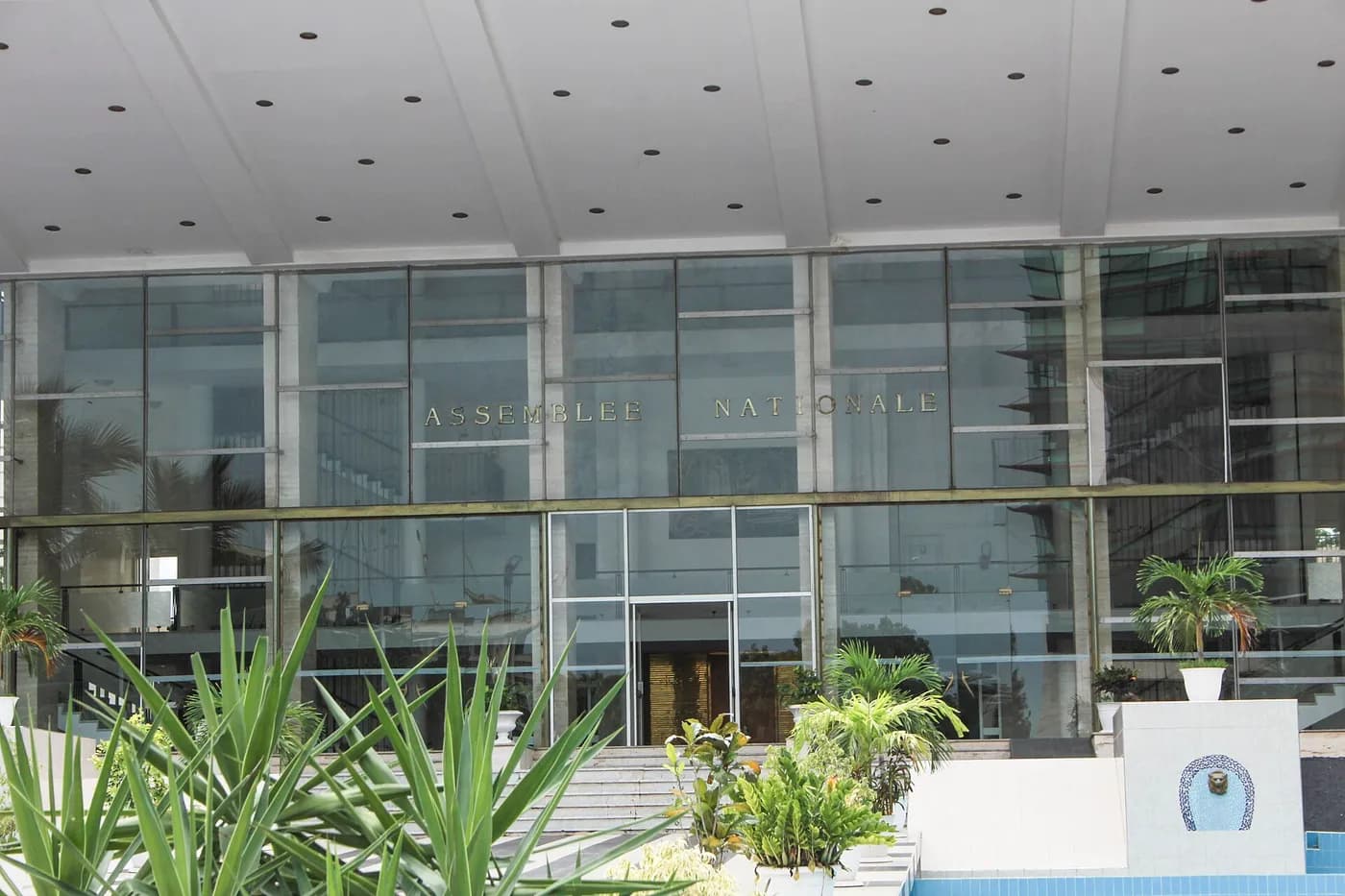
The most concrete change came from elsewhere. Law No. 25/2026 on critical information infrastructure, passed unanimously on August 20, requires in its Article 12 that public data be stored on national territory, “barring regulatory exemption”. Everything therefore hinges on the decrees, which must specify which data is covered, who grants exemptions and which private hosts will be approved. We found no announcement of their publication as of mid-November.
Kigali, Nairobi, Lagos, Abidjan: clearer rules
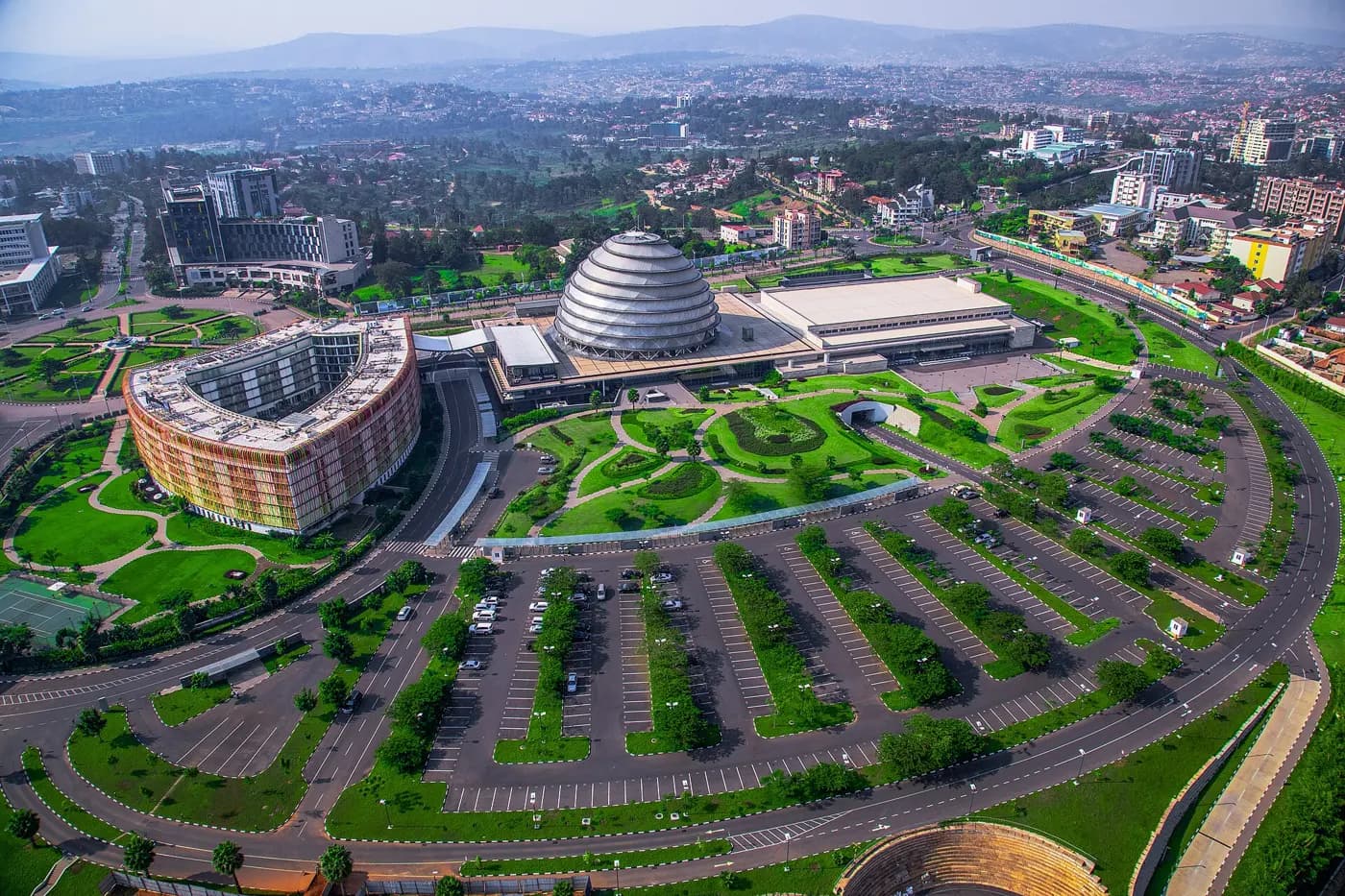
Rwanda has the strictest rule in the region. Its Law No. 058/2021 of October 13, 2021 requires personal data to be stored in Rwanda; keeping it abroad requires a registration certificate from the National Cyber Security Authority (NCSA) that expressly allows it.
Kenya has drawn up a list. Its 2021 data protection regulations, issued under the 2019 law, require data processed for “strategic interests of the state” to go through a server and data centre located in Kenya, or at least one serving copy to be kept there. The list is precise: civil registration and identity, elections, public finance systems, protected computer systems, basic education, and primary and secondary health care. Nothing comparable exists in Senegal, where the 2026 law refers to “public data” without defining it so far.
Nigeria works sector by sector. Guidelines from the National Information Technology Development Agency (NITDA), in force since August 2019, require companies to host so-called sovereign data in the country, and the 2023 data protection law created a dedicated commission. Côte d’Ivoire, finally, has had a data protection law since 2013, enforced by the telecoms regulator ARTCI. In June 2025, its government signed a memorandum of understanding with Raxio to host sensitive public data at the Grand-Bassam site, while a national data centre has been under construction in Abidjan since December 2023, according to Agence Ecofin.
Washington, Beijing and the question of the keys
Keeping data in the country does not shield it from foreign law. In the United States, the CLOUD Act, passed in March 2018, allows the authorities to obtain from a US provider the data it controls, even when that data is stored outside US territory. An Amazon server in Rufisque or a Gmail account opened in Dakar is therefore not, in principle, beyond the reach of a US court order. The law also lets countries that sign an agreement with Washington obtain direct access to evidence held by these companies. Senegal has not signed one.
In China, Article 7 of the 2017 National Intelligence Law states that all organisations and citizens shall support, assist and cooperate with state intelligence work. Huawei has always rejected spying allegations, and some Chinese legal scholars argue that the text does not authorise espionage. But for a country that has entrusted its main public data centre and its national cloud to Chinese technology, the question is on the table.

Hence the gap between two meanings of sovereignty. The first, location, is making progress: a state cable to Cape Verde, three public data centres, a cloud installed in Diamniadio, health records brought home, a law requiring public data to be stored locally. The second, control, has yet to be built: published contracts, independent audits, Senegalese engineers able to run these systems on their own, and a data protection authority backed by an up-to-date law. The agreement with Alibaba promised training for 200 engineers. No progress report has been published.
What to watch
- The decrees implementing Law No. 25/2026: which public data must be stored in Senegal, how exemptions work and how private hosts get approved.
- The handover of the Games cloud to SENUM SA: timing, the contract with Alibaba Cloud, prices for government bodies and businesses.
- Diamniadio’s utilisation rate in SENUM SA’s next disclosures, and whether ministries actually migrate.
- Reform of the 2008 personal data law, pending since the 2019 bill.
- The opening of PAIX’s data centre in Les Mamelles, due in 2026, and any investment by other neutral operators.
- The findings of the investigation into the DAF attack and the actual location of the biometric file.
- Transformation digitale de l’administration (présentation de Sénégal Numérique SA), Présidence de la République du Sénégal.
- Souveraineté numérique du Sénégal : le vrai, le faux, le flou du Datacenter de Diamniadio (Enquête), PressAfrik.
- Le datacenter national du Sénégal n’est ni le plus grand d’Afrique de l’Ouest, ni certifié Tier III, Africa Check (via Osiris).
- Le Sénégal se dote d’un data center de type Tiers 3, Financial Afrik.
- The real reason China is pushing digital sovereignty in Africa, Rest of World.
- Sénégal : le cloud des JOJ deviendra une plateforme nationale après les Jeux (communiqué), APS (via AllAfrica).
- Sonatel et Amazon Web Services lancent AWS Wavelength au Sénégal, Léral (via Osiris).
- Sénégal : PAIX Data Centres annonce la construction d’un centre de données à Dakar, CIO Mag.
- Sénégal : Sonatel booste sa capacité data de 180 térabits, Agence Ecofin (via Osiris).
- Sénégal : une cyberattaque paralyse la délivrance des cartes d’identité et expose des données sensibles, Socialnetlink.
- Protection des données au Sénégal : la CDP tire la sonnette d’alarme face à la vidéosurveillance et aux données biométriques, Socialnetlink.
- Politique de confidentialité de WhatsApp, WhatsApp.
- The Data Protection (General) Regulations, 2021, Office of the Data Protection Commissioner (Kenya).
- CLOUD Act Resources, U.S. Department of Justice.
Spotted an error? Write to infos@novotech.blog. Corrections are flagged at the end of the article.