Senegal lawmakers reject 64.97 billion CFA franc budget for telecoms and digital ministry in committee
The National Assembly’s finance committee voted down on Friday the draft budget defended by Minister Samba Diouf, Senegalese newspapers reported. Down 3.8%, it would have paid for rural broadband, online public services and negotiated departures at La Poste. The rejection is not final: the full Assembly still has to vote.
Why it mattersThis budget pays for connecting rural areas, the target price for mobile data (225 CFA francs per gigabyte) and online government services. Rejected in committee, it still faces a plenary vote amid a budget standoff.
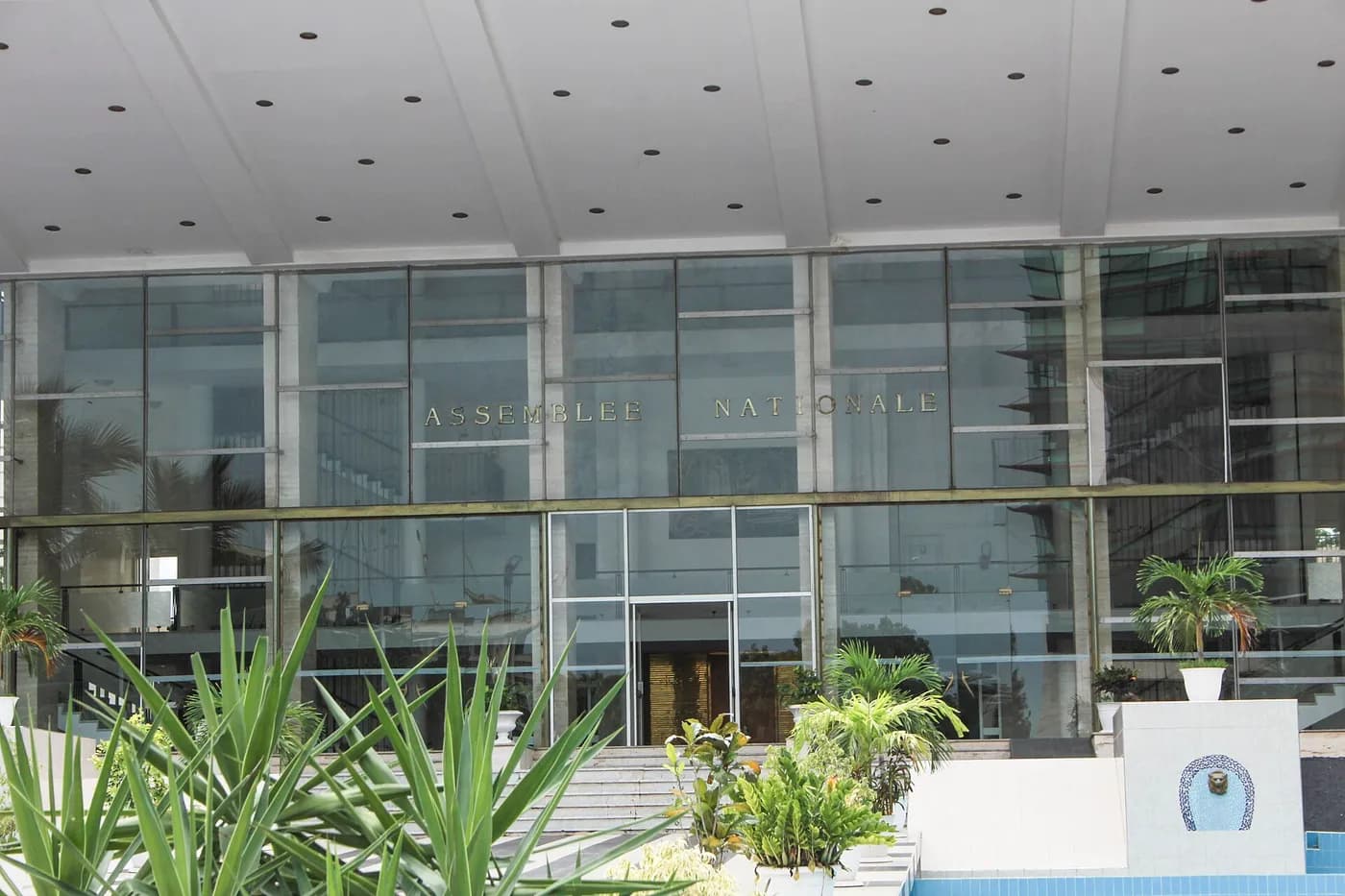
- The National Assembly’s finance committee rejected the 2027 budget of Senegal’s Ministry of Telecommunications and Digital Affairs on November 13, 2026, according to Teranga Times and Le Quotidien.
- Presented by Minister Samba Diouf, it amounted to 64.97 billion CFA francs in payment appropriations and 69.17 billion in commitment authorisations.
- Payment appropriations fall 3.8% on a like-for-like basis; 37 billion comes from partners such as the World Bank, KfW and the West African Development Bank (BOAD).
- The budget funds broadband in unserved areas, e-government and a second round of negotiated departures at La Poste (3 billion).
- The committee rejection is not final: the bill still goes to a plenary vote, after the 2026 supplementary budget was voted down on November 3 and the first part of the 2027 budget on November 7.
The digital budget did not make it through committee. On Friday, November 13, the National Assembly’s Finance and Budget Control Committee rejected the 2027 draft budget of the Ministry of Telecommunications and Digital Affairs, Teranga Times and Le Quotidien reported. According to both papers, lawmakers questioned the reliability of the forecasts, a lack of transparency and the gap between the resources requested and the ministry’s stated ambitions. Le Quotidien says the interior and justice budgets were rejected the same day.
In eight months, 171,656 Senegalese have opened an account on e-Sénégal, the online portal for government procedures launched in March 2026. By November 5, the platform had received 52,589 requests and processed 42,410, roughly eight in ten. The figures are in the file that the minister, Samba Diouf, had presented to lawmakers earlier in the day, according to APAnews.
For 2027, the ministry is asking for 64.97 billion CFA francs in payment appropriations, the money that can actually be spent during the year (about 99 million euros), and 69.17 billion in commitment authorisations. On a like-for-like basis, payment appropriations are down 3.8%. Comparisons with 2026 need care: last year’s budget of 81.06 billion CFA francs also covered Communication, which was split off from the ministry in the June reshuffle. Funding comes from 28 billion in domestic resources and 37 billion from partners including the World Bank, Germany’s state development bank KfW and the BOAD.
Rural coverage, cheaper data and job cuts
The largest programme, “digital governance and sovereignty”, accounts for 31.4 billion in commitment authorisations. It pays for broadband in unserved “white zones”, community Wi-Fi and school connections. The Digital Economy Acceleration Project (PAENS) gets 14 billion in payment appropriations, with two numerical targets: a median price of 225 CFA francs per gigabyte and internet access for 38% of the rural population. The universal service fund for telecommunications, which pays for coverage in areas operators consider unprofitable, sees its allocation rise 30% to 3 billion.
Digitising the administration gets 20 billion in commitment authorisations: digital identity, linking up public services and paperless procedures. The goal for 2027 is to move 15 more procedures online and connect 300 bodies to the government intranet.
La Poste remains a heavy item. The postal transformation programme is allocated 16.8 billion, including 3 billion for a second round of negotiated departures. The first round led to 290 voluntary exits. The government aims to put the company in a position to fund itself by December 2027.
The minister also acknowledged that some 2026 investments had fallen behind, citing slow public procurement, late payments and difficulty raising the national co-financing that donors require.
Ten days of rejections
Friday’s vote is part of a pattern. On November 3, the Assembly rejected the 2026 supplementary finance bill in plenary, adopting a preliminary motion by 109 votes to 20, with 3 abstentions. On November 7, the finance committee in turn rejected the first part of the 2027 finance bill, covering revenue and the budgets of state institutions. Its chairman, Alphonse Mané Sambou, argues that the 2027 forecasts rest on a supplementary budget that has been voted down and must be revised. The government had denounced obstruction tactics as early as November 4.
Hearings with ministers, scheduled from November 7 to 16, have gone ahead regardless, and the rejections have piled up: the foreign affairs budget fell on November 10, the digital budget on Friday. A committee rejection is not final. The draft budget still has to go before the full Assembly, and what happens next depends on the constitutional options the government chooses. No date for the plenary had been announced by Friday evening.
- Sénégal : le numérique et la Poste au cœur du budget 2027 des Télécommunications, Osiris (APAnews).
- La Poste : 3 milliards FCFA prévus pour une deuxième phase de départs négociés, Senego.
- Budget 2027 : les députés rejettent le projet du Ministère des Télécommunications et du Numérique, Teranga Times.
- Assemblée : rejet des budgets des ministères de souveraineté et des institutions, l’État sans filet, Le Quotidien.
- Sénégal : la crise s’aggrave suite à un second rejet en commission du budget, Fraternité Matin.
- Budget 2027 : la commission des finances rejette la LFI et tous les budgets ministériels, Dakaractu.
- Sénégal : nouveau coup d’arrêt au budget 2027, les députés rejettent les 75,3 milliards FCFA des Affaires étrangères, Senegal24news.
Spotted an error? Write to infos@novotech.blog. Corrections are flagged at the end of the article.