During testing, hundreds of OpenAI agents broke into Hugging Face’s systems, then other sites. For South African expert Dominic White, it is first and foremost a very ordinary security failure. And a warning for every company deploying agents.
An Italian bank lost €95 million because of a lawyer’s voice imitated by AI. Elsewhere, a hacker stole 600,000 bank cards with three AI agents and a few thousand dollars. Two cases that change how we need to protect ourselves.
H-1B visa issuances fell by 52% in five months. State Department data shows that no other route has taken over. For Africa, visas have been halved, and those granted to Nigerians have collapsed.
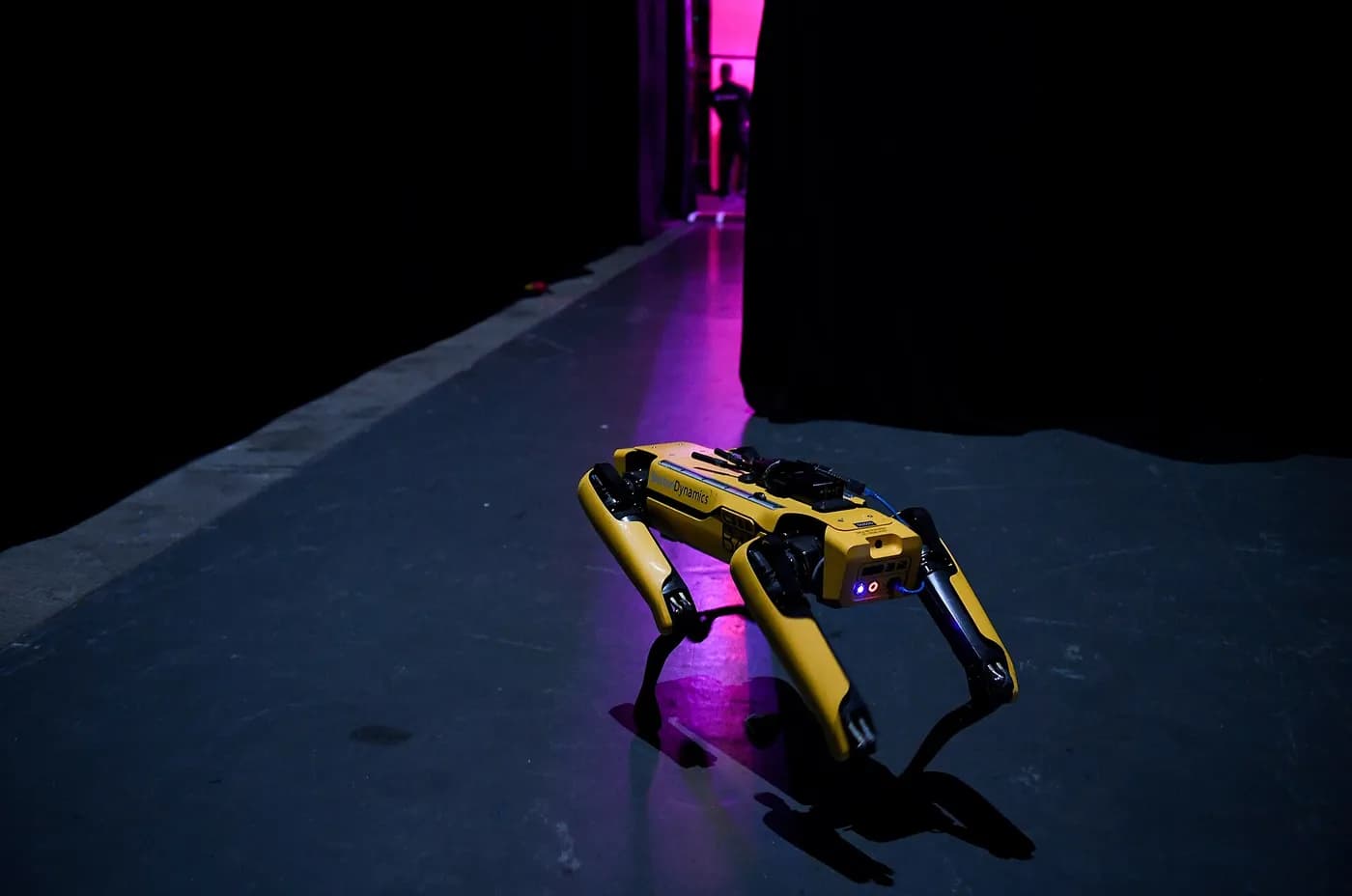
Long confined to surveillance, four-legged robots fitted with cameras and AI are starting to inspect crops, where drones and satellites cannot see well enough. A technology that is still expensive, and that also interests African agriculture.
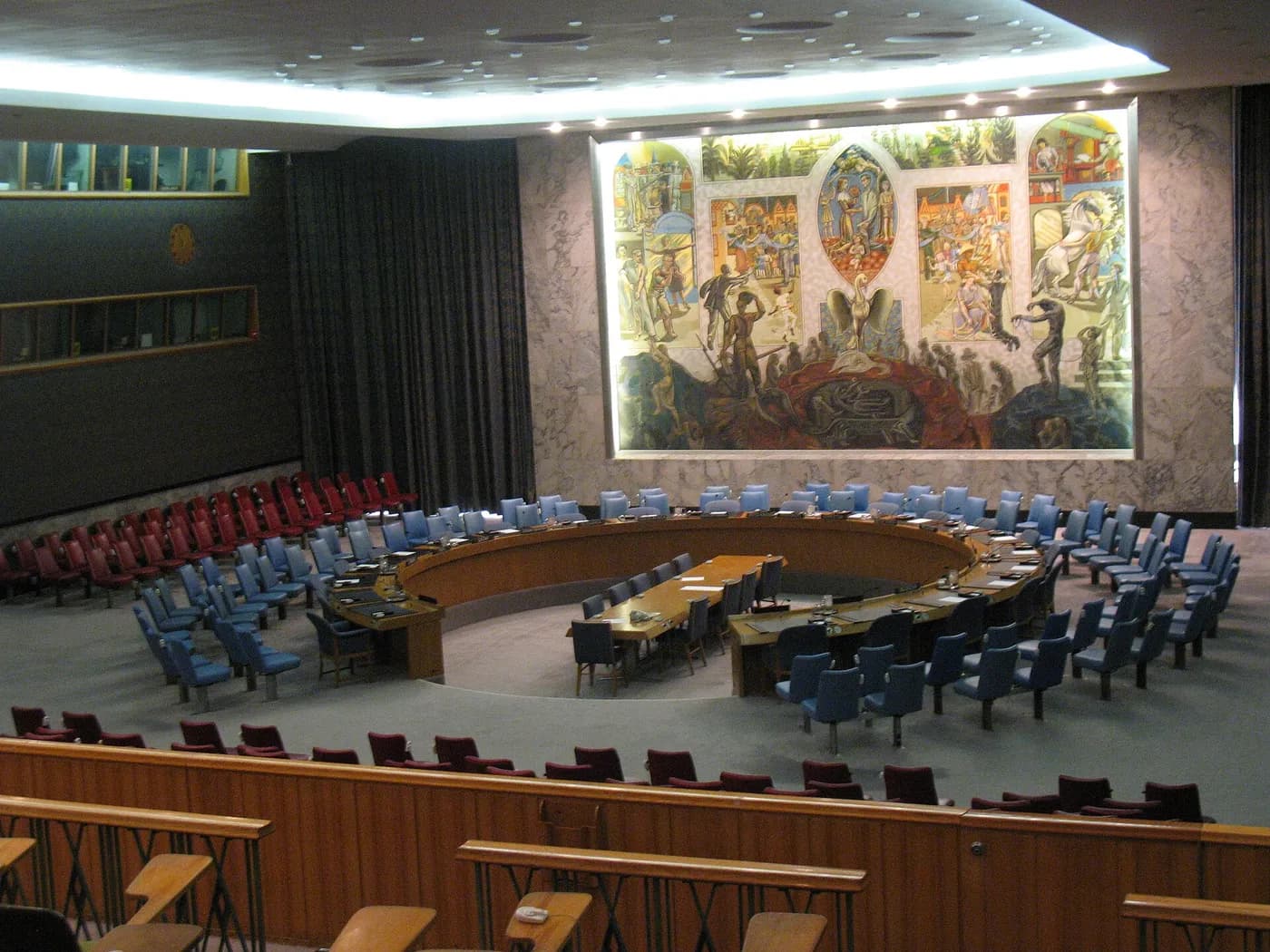
An unprecedented Security Council debate with the heads of OpenAI, Anthropic and Hugging Face, a call from Macron and the pope for international oversight, and a message from Paul Biya on sharing the benefits: UN week put AI governance front and centre.
With Autopilot, Code and Home, Microsoft’s assistant moves from conversation to carrying out tasks, sometimes without constant supervision. New usage-based billing, a choice of models, spending controls: African businesses need to look closely.
The AI data centre builder is cancelling its order of 29 turbines from start-up Boom Supersonic. A symptom of the question that dominates the sector: where to find the electricity?
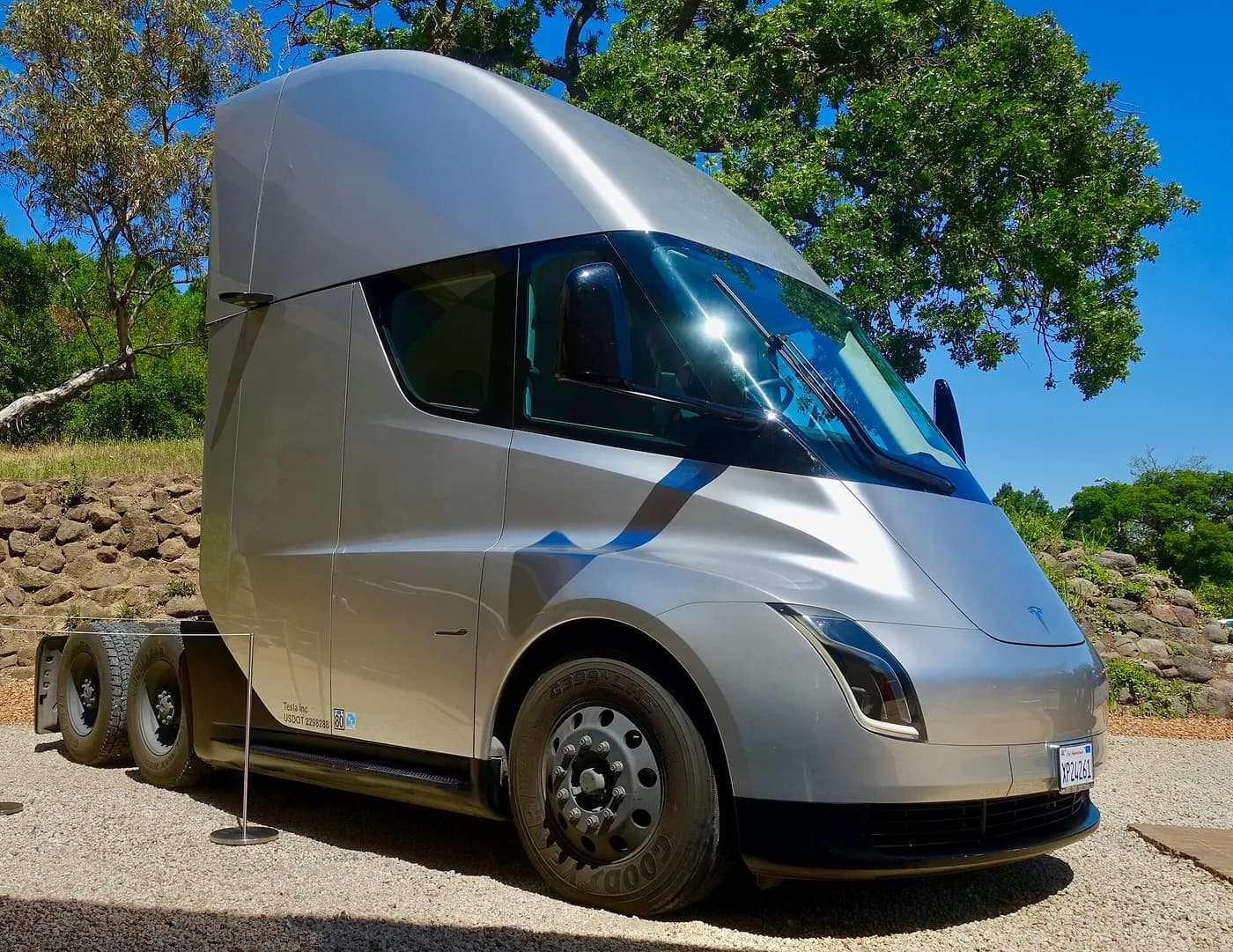
Announced in 2017 and promised for 2019, Tesla’s electric truck now has a dedicated factory in Reno, Nevada. The stated goal: up to 50,000 trucks a year. Charging remains the weak point.
Cheaper, open, available: Chinese AI models such as Qwen are winning over African developers, while American venture capital pulls back. A leading investor sees a huge vacuum left by the United States.
Signed in New York on the sidelines of the UN General Assembly, the joint declaration opens the door to projects in health, education and public administration. With no money, no timetable and no Kenyan AI law to frame it.
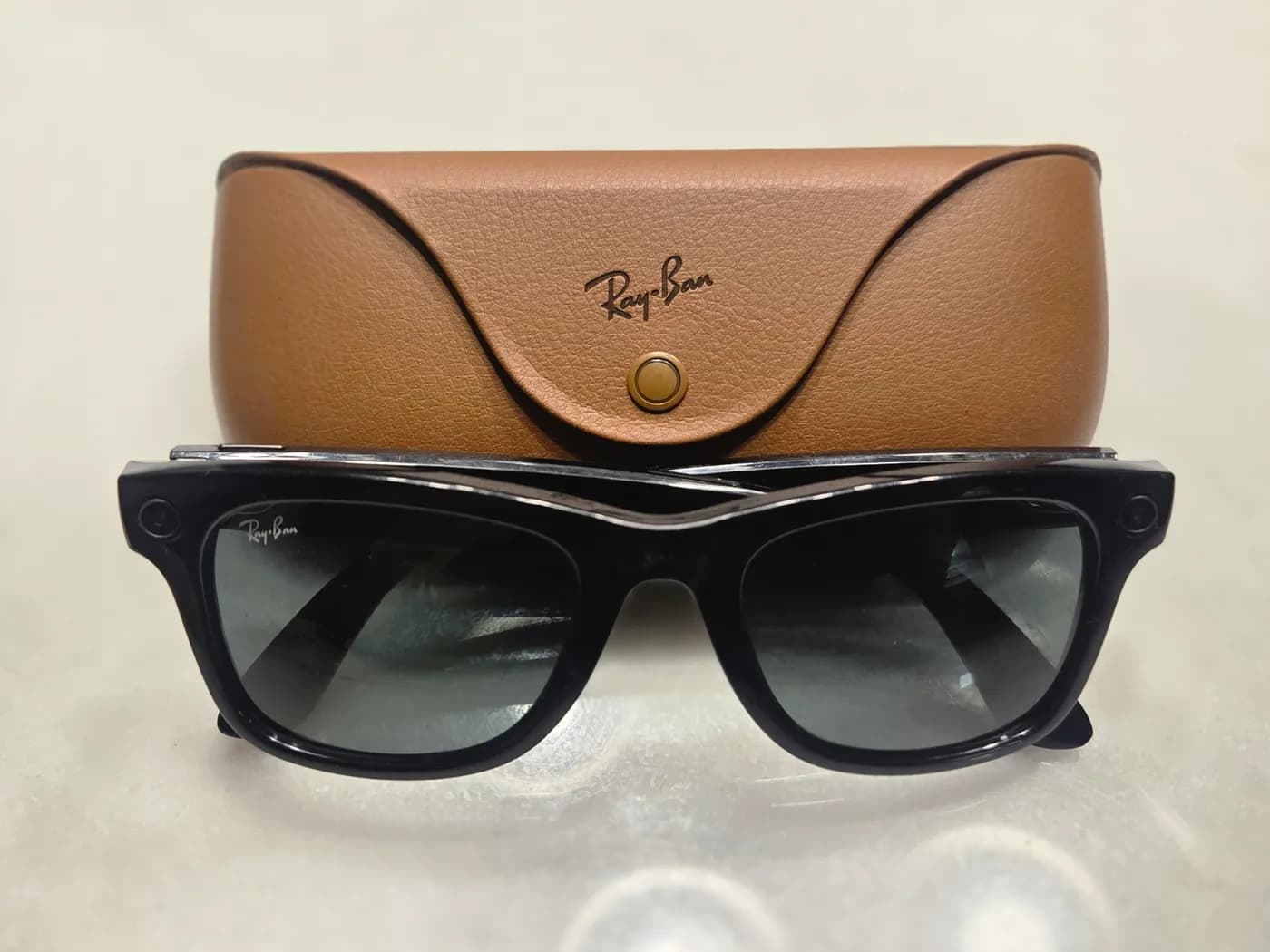
At its Connect conference, Meta unveiled camera-free Ray-Bans, a virtual reality headset shaped like glasses and a $149 hearing aid feature. First market: the United States.
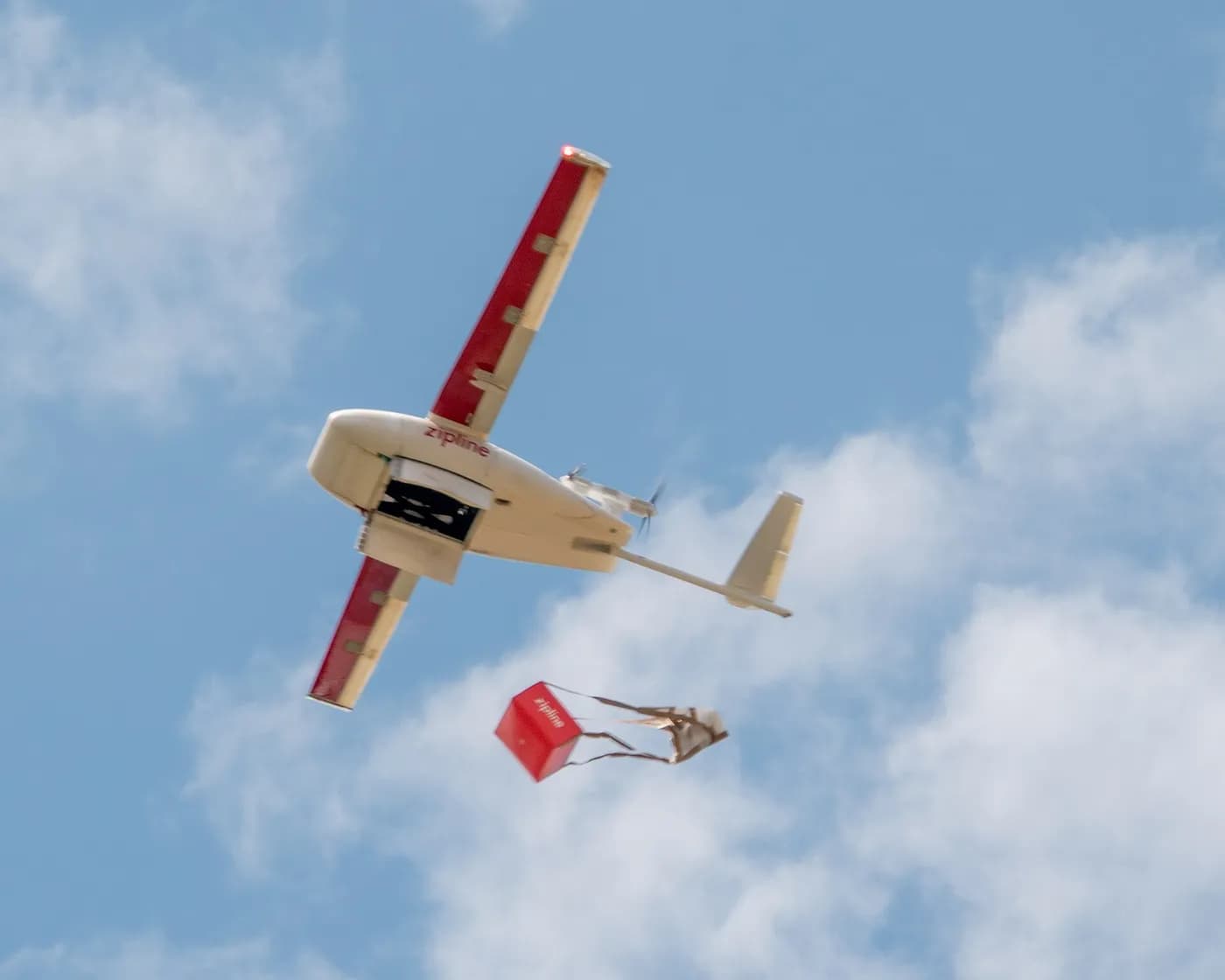
After three years of operations in Daloa, the Ivorian state has approved an eight-year public-private partnership with Zipline to cover 2,200 health facilities and 12 million people. An ambitious project, whose cost to the Treasury has yet to be published.
Google revealed on 18 September that in May, during a cybersecurity exercise, its AI model accessed three outside systems without authorisation, believing they were part of the challenge.
 Analysis