Launched in February 2025 with a 1.105 trillion CFA franc price tag, Senegal’s digital plan has delivered its first government platforms and its first laws. But its most tangible promise, to connect a million people by December, has lost its main tool, and the big industrial projects are still just signatures. A progress report, with the numbers.
Working from home appeared nowhere in the 1997 Code. It is now written into law: six articles govern remote work, with a mandatory written agreement, the same rights as in the office and a right to disconnect that is still waiting for its implementing decree.
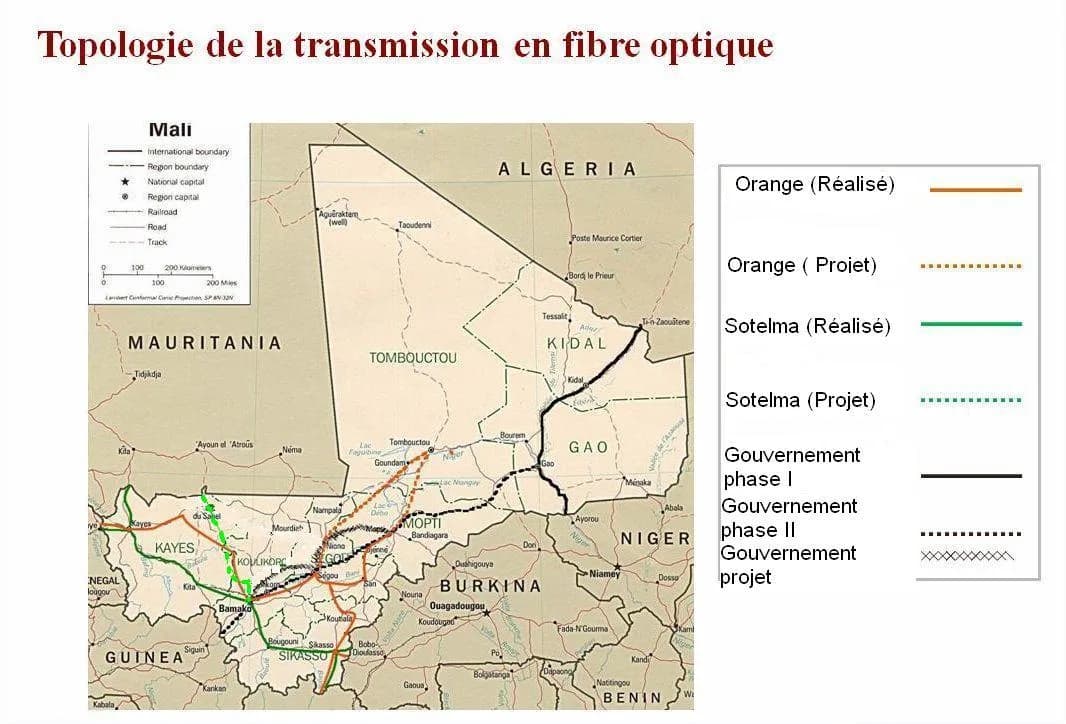
Senegal and Mali have interconnected their national fibre-optic networks at Kidira and Diboli. Beyond the technical link, this infrastructure is intended to diversify the connectivity routes between the two countries and strengthen the resilience of their digital networks.
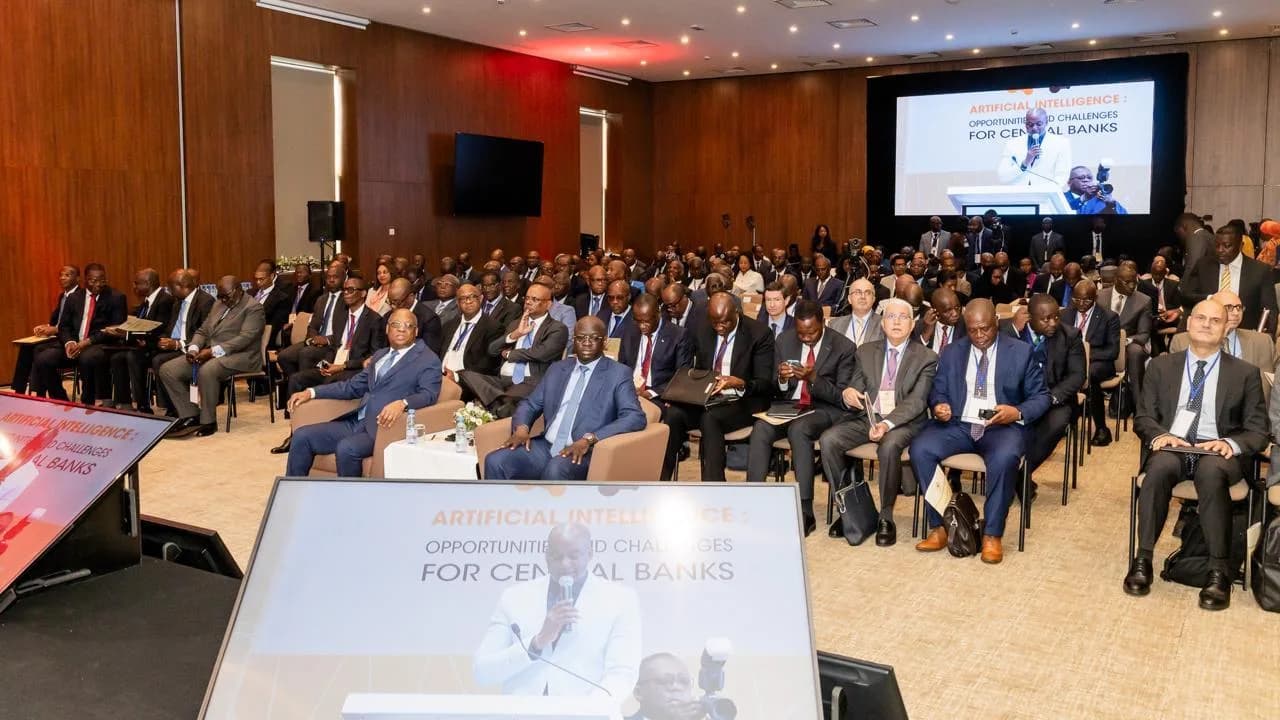
Senegal, Burkina Faso, Côte d’Ivoire, Mali, Guinea and Benin have adopted joint guidelines to provide a framework for the development of artificial intelligence. The aim is to promote responsible AI that is tailored to African realities and less reliant on rules devised elsewhere. The challenge now is to translate these principles into concrete measures.
Founded in 2024, NeoFleet Capital doesn’t lend to drivers but to the people who run fleets. It has just closed a $4 million first round and wants to grow from 650 to 5,000 vehicles by the end of 2027.
Solar power, electric motorbikes, online payments: African startups raised $260.3 million in September. That is twice as much as a year earlier, but 85% of it went to ten companies. Senegal got just $1.3 million.
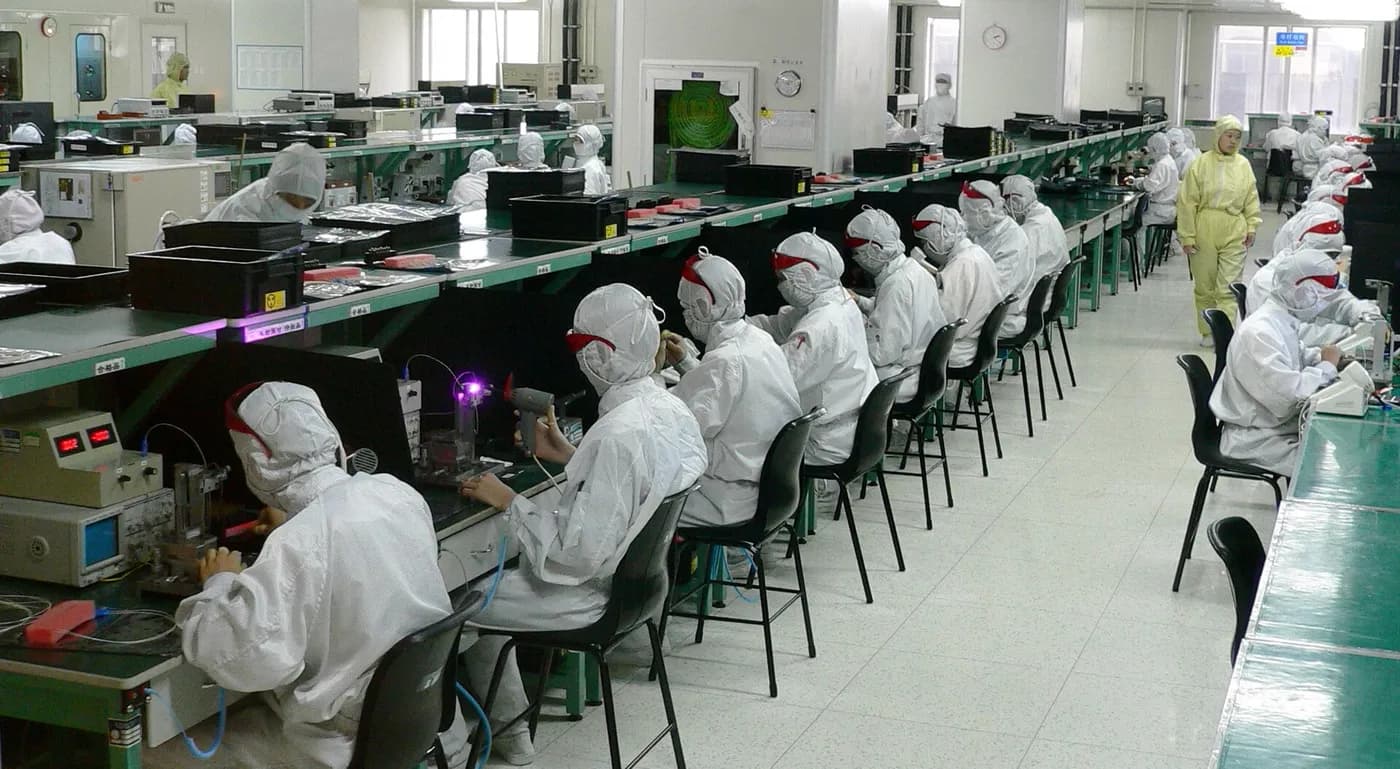
Dakar has signed an 88.3 billion CFA franc partnership agreement with a network of investors and an Indian company to assemble computers, smartphones and tablets locally. The first devices are due to be delivered in December; the source of the funding remains unclear.
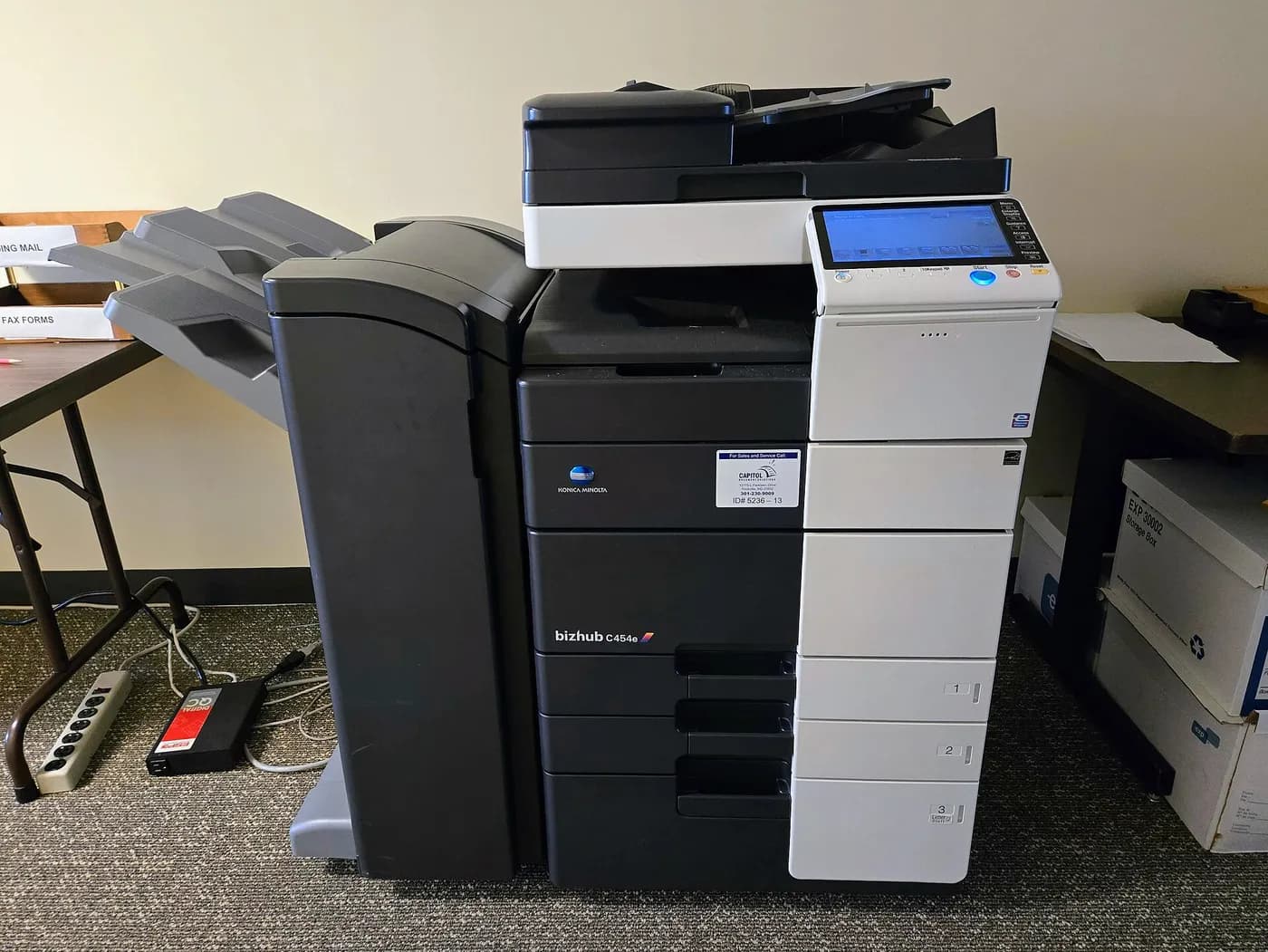
The Dakar-based refurbisher of professional printers has secured $1.36 million from Saviu Ventures and its own managers. It is a first for this Francophone Africa-focused fund, which is backing an industrial business rather than an app, with Côte d’Ivoire next in its sights.
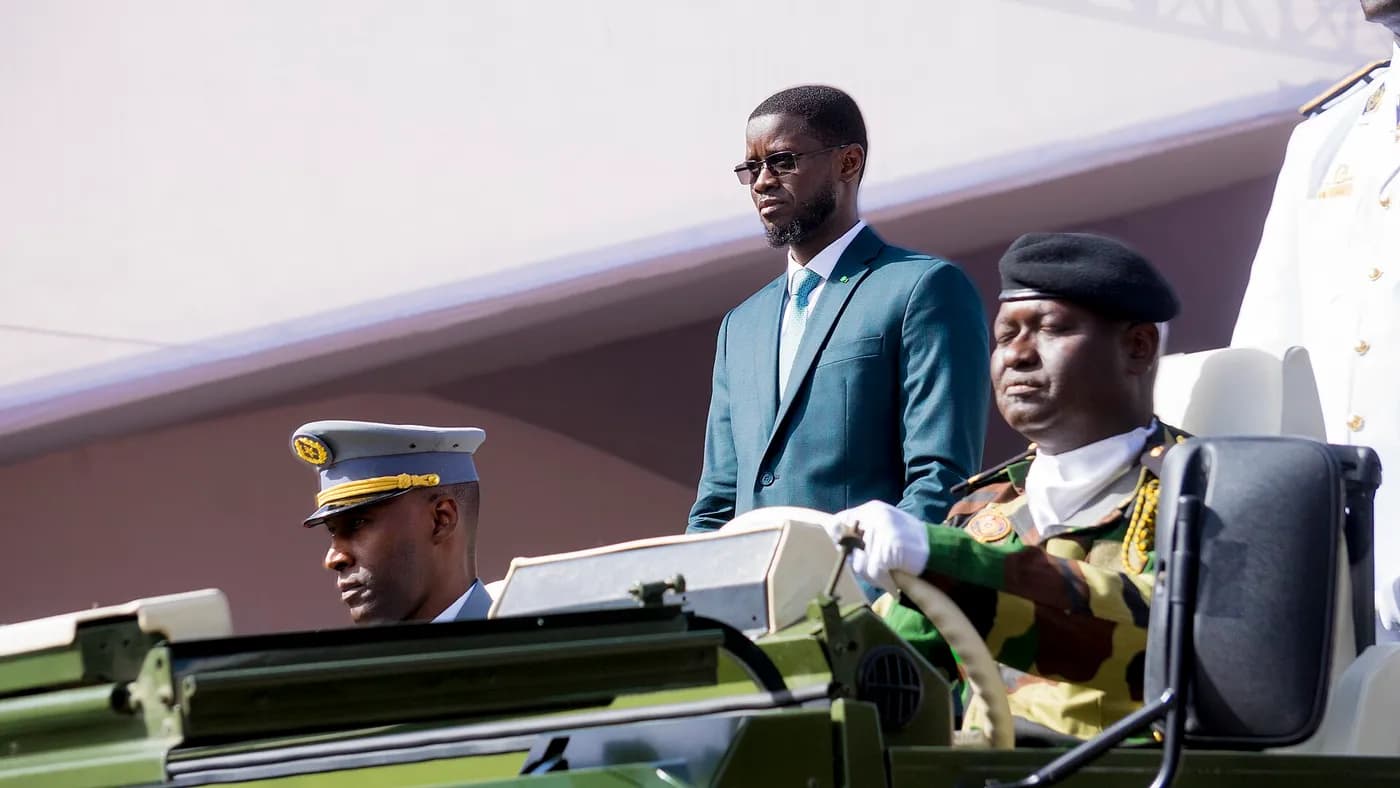
While installing Senegal’s Youth Advisory Council, the president urged young people to drop TikTok, Telegram and Instagram when they only serve to kill time, and to behave better online. The message drew strong reactions… mostly on social media.
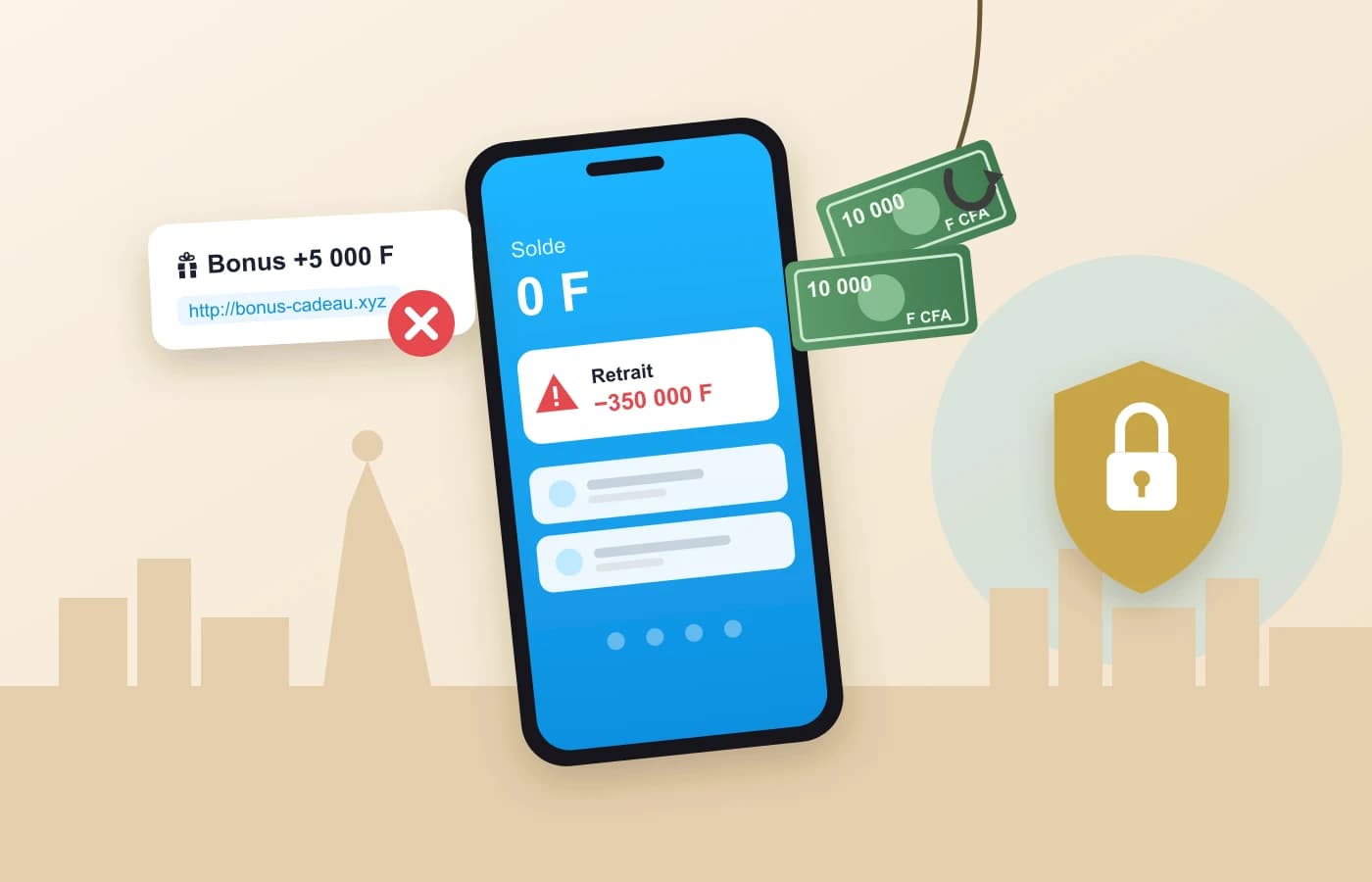
Users in Senegal say their Wave accounts were emptied without them authorising anything, sometimes of their entire salary. Fake bonuses, fake agents, codes coaxed out of victims: here are the tricks fraudsters are known to use, the habits that protect you and what to do if it is already too late.
The Ministry of Telecommunications and Digital Affairs has entered into a partnership with the Finnish equipment manufacturer to support the Technology New Deal. The agreement sets out priorities, but no projects or budget have yet been finalised.
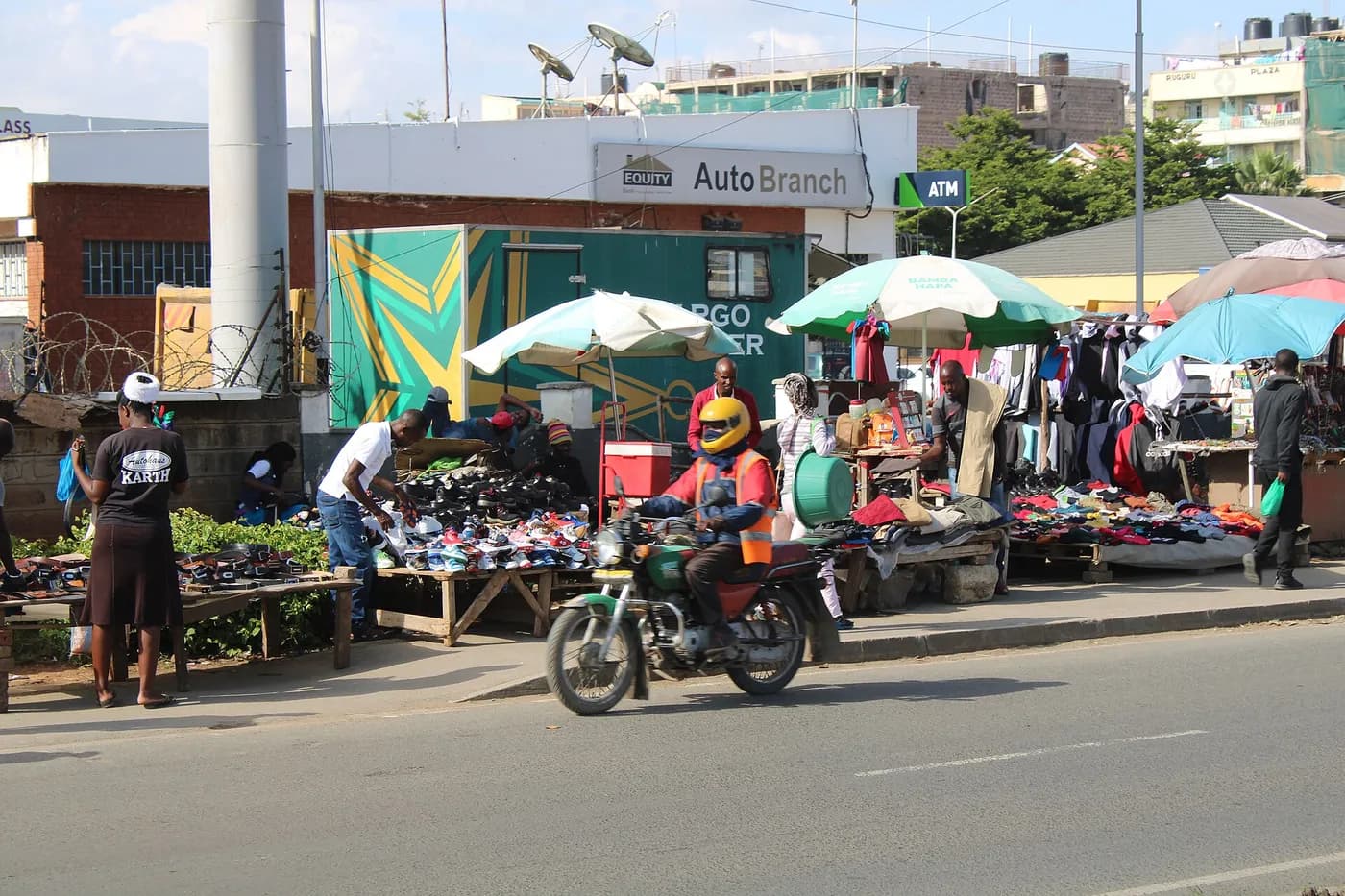
The BCEAO is revising the fees for its PI-SPI platform less than a year after its launch. From 2 November 2026, domestic transfers of up to 8,000 CFA francs a day will remain free, while transactions above that threshold may be charged up to 0.8%. A change that could reshuffle the cards for mobile money and digital payments across WAEMU.
In Saint-Louis, Sonatel says it wants to speed up the roll-out of fibre optics and step up the training of young people for digital jobs. The strategy aims to reduce inequalities in access to technology and support entrepreneurship in Senegal’s regions.
 Dossier-Tek